New Zealand 2026 election enrolment rate dips to 93.6%, below last two polls
Synopsis
New Zealand heads into its 7 November 2026 general election with a provisional enrolment rate of 93.6% — below both 2023 and 2020 final figures — even as advance voting and Maori enrolment numbers climb. With Prime Minister Christopher Luxon's National Party seeking a second term against Labour's Chris Hipkins, the enrolment gap and a surge in early votes could shape a tightly watched outcome.
Key Takeaways
New Zealand's provisional voter enrolment rate for the 2026 general election is 93.6 per cent , below the final rates of 94.7 per cent (2023) and 94.1 per cent (2020).
Nearly 3.8 million people are enrolled to vote ahead of 7 November polling day.
Youth enrolment (aged 18–24 ) has risen sharply to 74.2 per cent , up from 53.9 per cent in late July.
Maori voter enrolment reached 603,968 , up from 567,012 in the 2023 election.
Advance votes in the first three days hit 309,876 , up from 235,515 in the same period in 2023 .
Official results are scheduled to be declared on 27 November 2026 .
New Zealand's 2026 general election, scheduled for 7 November, has drawn nearly 3.8 million enrolled voters, but the provisional enrolment rate of 93.6 per cent trails the final rates posted in the previous two national polls, the Electoral Commission confirmed on Friday, 30 October.
How This Election Compares
The commission recorded a final enrolment rate of 94.7 per cent in 2023 and 94.1 per cent in 2020. Officials were careful to note, however, that the current figure remains provisional — the final rate will only be confirmed after voting closes on 7 November. The gap between the provisional and final figures in past elections suggests the deficit could narrow before polling day.
Young Voters and Maori Enrolment
Among voters aged 18 to 24, the provisional enrolment rate has climbed sharply to 74.2 per cent, up from just 53.9 per cent recorded at the end of July and approaching the 76.7 per cent seen in 2023. The trend suggests a late surge in youth registration that could continue through election day.
Maori voter enrolment also showed gains. The provisional rate for voters of Maori descent stood at 85.9 per cent, with 603,968 Maori voters enrolled — up from 567,012 in the 2023 election, according to the commission.
What the Electoral Commission Said
Chief Electoral Officer Karl Le Quesne said the figures demonstrated growing public awareness of the new requirement to enrol before voting begins. He added that the commission would review its enrolment-drive efforts and report back to parliament following the election.
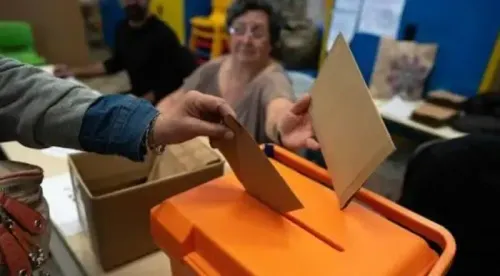
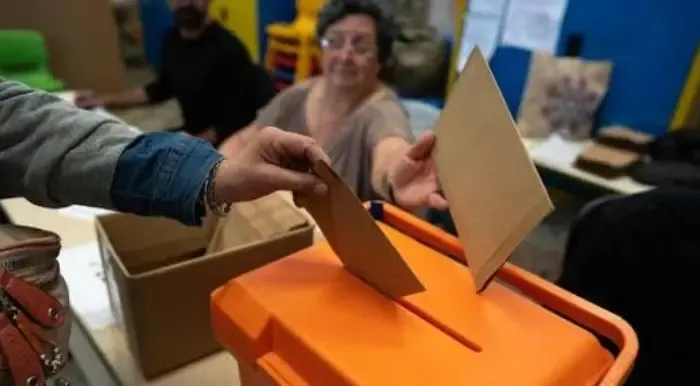
Notably, advance voting has already outpaced the previous cycle. In the first three days of early voting, which began on Monday, 309,876 people cast advance votes — up from 235,515 during the same period in 2023, suggesting strong early turnout momentum despite the lower enrolment headline.
Political Backdrop
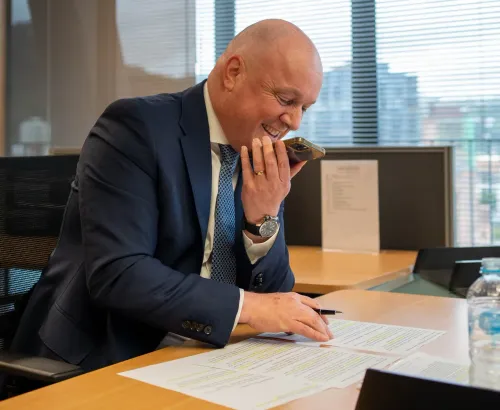
New Zealand Prime Minister Christopher Luxon's centre-right National Party is seeking a second consecutive term after assuming office in 2023. The opposition Labour Party, led by former Prime Minister Chris Hipkins, is campaigning on a platform centred on cost-of-living relief, economic growth, job creation, and the restoration of public services.
This comes amid broader public anxiety over household affordability and slowing economic momentum — issues that analysts say could define the outcome as much as enrolment numbers do.
Election Day and Results Timeline
More than 2,300 voting places are expected to operate across New Zealand on election day. Official results are scheduled to be declared on 27 November. Under New Zealand law, citizens or permanent residents aged 18 or above who have lived in the country continuously for 12 months or more at any point in their lives are eligible to vote.
Point of View
And the sharp advance-vote surge points to a motivated electorate. More telling is the youth registration trajectory: a jump from 53.9 per cent to 74.2 per cent in three months shows the new pre-enrolment requirement is being absorbed, even if unevenly. The real variable is whether that mobilisation favours Luxon's National Party, which benefits from centrist incumbency, or energises the cost-of-living voters that Hipkins is banking on. Maori enrolment gains add another wild card in a proportional system where every seat counts.
NationPress
30 Oct 2026
Frequently Asked Questions
What is the voter enrolment rate for New Zealand's 2026 general election?
The provisional enrolment rate as of 30 October 2026 is 93.6 per cent, with nearly 3.8 million people enrolled. This is below the final rates of 94.7 per cent in 2023 and 94.1 per cent in 2020, though the final figure will only be confirmed after voting ends on 7 November.
When is New Zealand's 2026 general election and when will results be announced?
Polling day is 7 November 2026, with more than 2,300 voting places operating nationwide. Official election results are scheduled to be declared on 27 November 2026.
How has Maori voter enrolment changed for the 2026 election?
Maori voter enrolment has risen to 603,968, up from 567,012 in the 2023 election, with a provisional enrolment rate of 85.9 per cent among voters of Maori descent.
Who are the main candidates contesting the 2026 New Zealand general election?
Prime Minister Christopher Luxon is leading the centre-right National Party in its bid for a second term, while former Prime Minister Chris Hipkins leads the Labour Party, campaigning primarily on cost-of-living, jobs, and public services.
Why is New Zealand's enrolment rate below previous elections?
Chief Electoral Officer Karl Le Quesne acknowledged the gap but noted it reflects the stage of the process rather than a structural drop in participation. He said the commission would review its enrolment efforts and report to parliament after the election. The final rate is expected to be higher once all votes are tallied.