Susan Rice slams Trump's Iran deal as 'horrific surrender', White House hits back
Synopsis
Susan Rice's 'jaw-dropping, horrific surrender' broadside against Trump's Iran MoU is the sharpest establishment rebuke of the deal yet — and it zeroes in on a clause that reportedly commits the US to withdrawing military forces from Iran's vicinity. With JD Vance heading to Switzerland for the next round, the real question is whether the framework holds or unravels under bipartisan fire.
Key Takeaways
Former National Security Adviser Susan Rice called Trump's Iran framework a “jaw-dropping, horrific surrender” on 21 June .
Rice argued Iran had already gained oil-sale rights, banking access, and a path to frozen assets before any final deal was signed.
The MoU reportedly includes a US commitment to withdraw military forces from the vicinity of Iran , which Rice called deeply damaging.
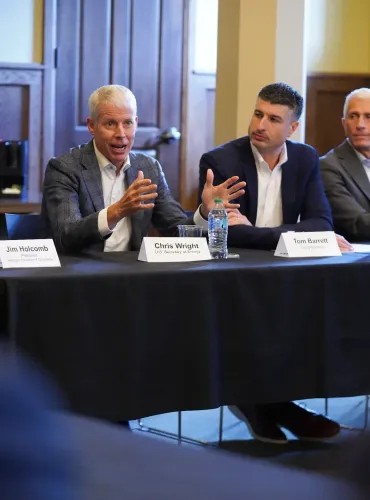
Energy Secretary Chris Wright defended the deal, saying Iran entered talks in a weaker position due to military pressure and Strait of Hormuz disruptions.
Rice warned the agreement contains no requirement for Iran's nuclear material to be removed from the country.
Vice President JD Vance is set to hold talks with Iranian officials in Switzerland to advance a broader settlement.
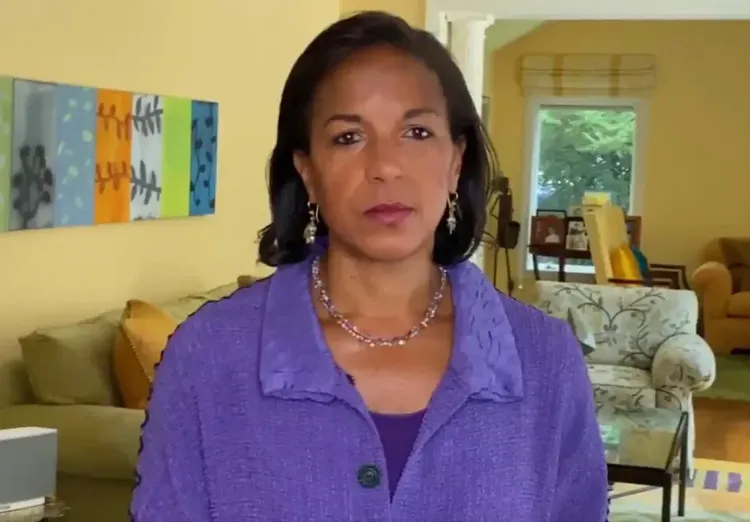
Former National Security Adviser Susan Rice on Sunday, 21 June delivered one of the sharpest rebukes yet of US President Donald Trump's Iran framework, describing it as a “jaw-dropping, horrific surrender” — with reparations — as the Trump administration pushed back, insisting it had brought Tehran to the table from a position of weakness. The exchange underscored deepening divisions in Washington over America's Iran strategy following months of military confrontation and renewed diplomatic engagement.
Rice's Core Critique
Appearing on ABC's This Week, Rice argued that the United States had handed over major concessions before securing a comprehensive agreement on Iran's nuclear programme. She said that as of the signing of the agreement on Thursday, Iran was already “able to sell all of its oil and all of its oil products on the market unimpeded.”
Rice further contended that Iran had regained access to the international banking system and was moving towards recovering frozen assets — all without a final settlement in place. “It's egregious,” she said, adding that provisions in the deal would eventually lift sanctions and reduce the US military footprint near Iran.
On the military dimension, Rice raised pointed concern about a specific clause: “The other crazy thing about this Memorandum of Understanding (MoU) that sets us back enormously is that we commit to withdraw US military forces from the vicinity of Iran.”
The Administration's Defence
Energy Secretary Chris Wright strongly rejected Rice's characterisation. He argued that Iran had entered these talks in a far weaker position than in any previous round of negotiations, citing military pressure on Tehran and the reopening of shipping routes through the Strait of Hormuz.
“We've just never been in this situation before,” Wright said. “They don't have the leverage they've always had in talks before.” Wright maintained that Iran's military capabilities had been significantly degraded, and that the administration's pressure campaign had been decisive in bringing Iranian leaders back to the negotiating table.
The Nuclear Question
Rice also warned that Iran's nuclear programme remained largely intact under the current framework. “There is nothing in that agreement that requires that the nuclear material … will be removed from Iran,” she said — a concern that critics argue goes to the heart of the deal's durability.
The broader debate reflects contrasting philosophies on Iran policy. Rice contended that diplomacy should have been the starting point, not a last resort: “It was obvious for decades that the only way to resolve this problem is through diplomacy.” The administration, however, frames its approach as coercive diplomacy — pressure first, talks second.
What Comes Next
Vice President JD Vance is preparing for talks with Iranian officials in Switzerland aimed at advancing negotiations towards a broader settlement. The outcome of those discussions is expected to shape US policy across the Middle East and could have significant implications for global energy markets, particularly given ongoing sensitivities around the Strait of Hormuz. This is at least the third major diplomatic flashpoint between Washington and Tehran in recent years, and the first to include a formal MoU since the 2015 Joint Comprehensive Plan of Action.
Point of View
Not a one-time gesture. The MoU's reported clause on US military withdrawal is the most consequential detail yet to receive mainstream scrutiny — it shifts deterrence calculus in the Gulf regardless of what a final agreement says. The administration's counter-argument, that Iran is negotiating from weakness, may be true today but is not self-reinforcing; degraded military capability can be rebuilt faster than diplomatic trust is established. If Vance's Switzerland round fails to lock in verifiable nuclear rollback, the administration will face the same credibility problem it accused the Obama-era deal of creating.
NationPress
21 Jun 2026
Frequently Asked Questions
What did Susan Rice say about Trump's Iran deal?
Susan Rice called the Trump administration's Iran framework a “jaw-dropping, horrific surrender” on 21 June, arguing the US had granted major concessions — including oil-sale rights and banking access for Iran — before securing a comprehensive nuclear agreement. She also flagged a clause she said commits the US to withdrawing military forces from the vicinity of Iran.
How did the Trump administration respond to Rice's criticism?
Energy Secretary Chris Wright rejected the criticism, saying Iran had entered negotiations in a far weaker position than in previous rounds due to sustained military pressure and the reopening of the Strait of Hormuz. Wright argued the US had never held this much leverage in talks with Tehran before.
What is the Iran MoU and what does it cover?
The Memorandum of Understanding (MoU) is a framework agreement signed on Thursday between the US and Iran. Critics, including Rice, say it grants Iran immediate economic benefits — including oil sales and banking access — while leaving its nuclear programme largely intact and committing the US to reduce its military presence near Iran.
What are the concerns about Iran's nuclear programme under this deal?
Rice warned that the MoU contains no requirement for Iran's nuclear material to be removed from the country, meaning the nuclear programme remains largely intact. This is seen as a critical gap by critics who argue a durable deal must include verifiable denuclearisation steps.
What happens next in US-Iran negotiations?
Vice President JD Vance is preparing to meet Iranian officials in Switzerland to advance talks towards a broader settlement. The outcome is expected to influence US policy in the Middle East and global energy markets, particularly given ongoing tensions around the Strait of Hormuz.