PoK Long March: At least 20 killed, dozens injured in Pakistani crackdown
Synopsis
Pakistani security forces killed at least 20 people and injured dozens during the JAAC-led Long March in PoK — one of the region's deadliest crackdowns in recent memory. With a communications blackout still in place and the death toll expected to rise, international human rights bodies are facing fresh pressure to act as Islamabad's grip on PoK faces its most visible public challenge in years.
Key Takeaways
At least 20 people were killed and dozens critically injured during the JAAC Long March in Pakistan-occupied Kashmir (PoK) on 28 July .
The JAAC confirmed 19 identities; one victim with a bullet wound to the head remained unidentified, with the body held at Palandri Hospital .
Pakistani forces allegedly used live ammunition, heavy shelling, and tear gas against protesters in Rawalakot , according to the UKPNP .
The march began from Mirpur Division on Sunday after talks between JAAC and Pakistani authorities reportedly collapsed.
The UKPNP has called on the UN and international human rights bodies to demand an immediate halt to the use of force.
MEA spokesperson Randhir Jaiswal said India hopes the international community will hold Pakistan accountable for its abuses in PoK.
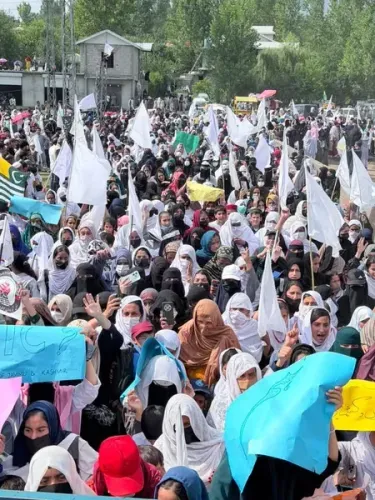
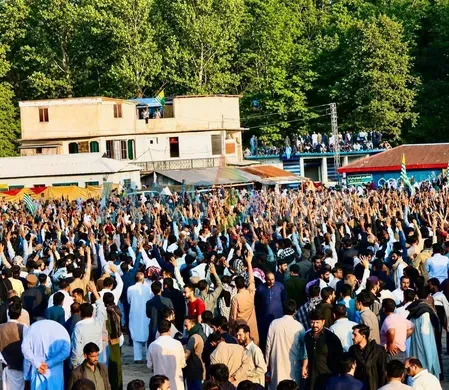
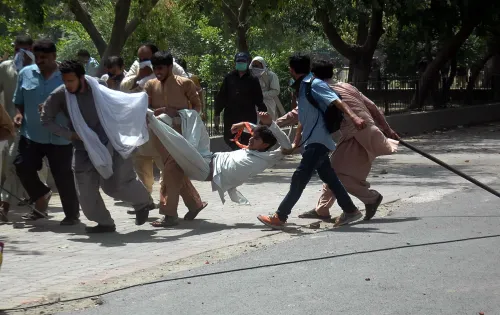
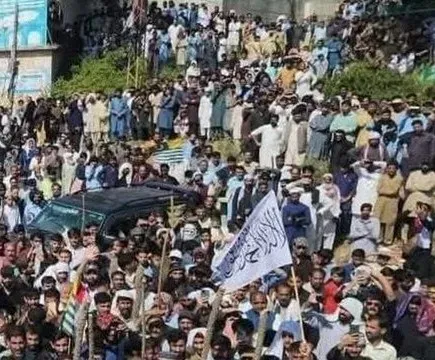
At least 20 people were killed and dozens critically injured during the Long March organised by the Joint Awami Action Committee (JAAC) in Pakistan-occupied Kashmir (PoK) on 28 July, as Pakistani security forces launched a violent crackdown on protesters converging at Rawalakot. The death toll is expected to climb, with several of the injured reported to be in critical condition.
What JAAC Reported
In a post on X on Tuesday, the JAAC confirmed that march caravans had reached Rawalakot city. 'The identities of 19 deceased individuals have been confirmed, while one person did not have identification documents and sustained a bullet wound to the head; his body is present at the Palandri Hospital. Thus, the total deaths have reached at least 20. In addition, other details are contingent upon daylight breaking and the restoration of communications,' the committee stated.
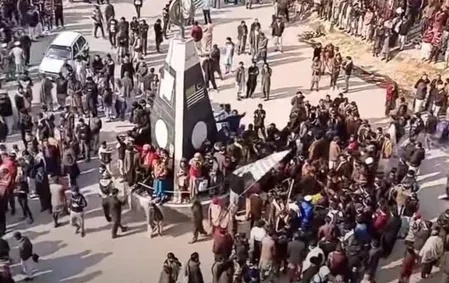
The JAAC further said protesters were present at Chandni Chowk in Rawalakot city, and that a gathering would be held at Shahid Chowk once daylight arrived, at which the future course of action would be announced.
How the March Unfolded
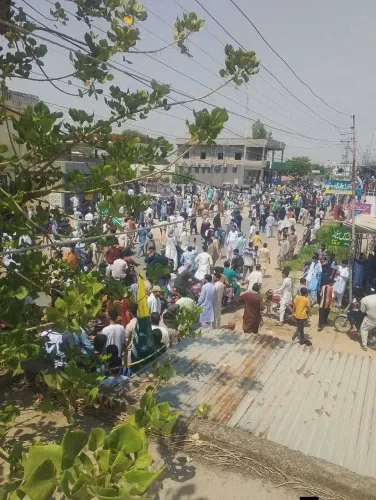
The Long March was called after talks between the JAAC and Pakistani authorities reportedly broke down without a mutually acceptable outcome, prompting a renewed push for public mobilisation. It began from Mirpur Division on Sunday, with caravans converging at the Rawalakot sit-in before proceeding toward Muzaffarabad on Monday.
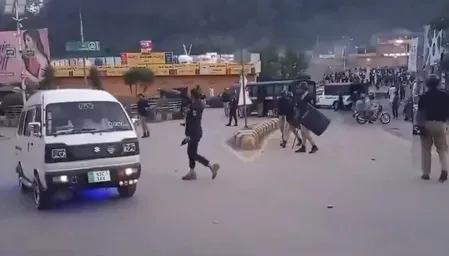
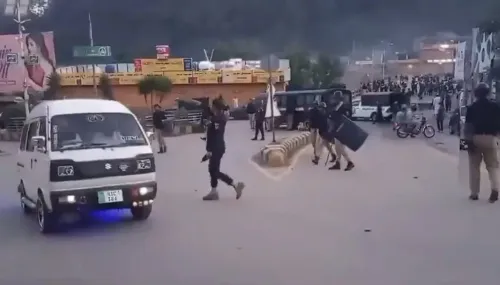
According to the United Kashmir People's National Party (UKPNP), Pakistani security forces on Monday evening launched a violent crackdown against peaceful protesters in Rawalakot, allegedly deploying live ammunition, heavy shelling, tear gas, and other forms of force against civilians. The group warned that 'shelling and the use of live ammunition continue, raising fears of further loss of civilian life.'
International Appeal
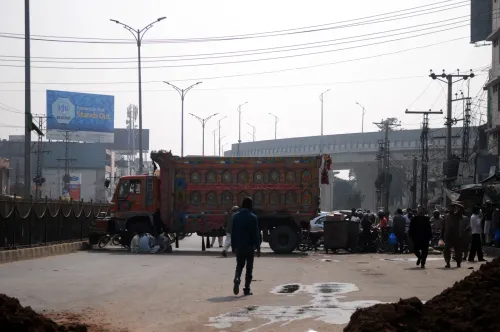
The UKPNP on Tuesday called on the United Nations, international human rights organisations, and democratic governments to take immediate action — specifically demanding an end to the use of live ammunition, shelling, and excessive force against civilians by Pakistani forces. The appeal underscores growing concern that the region's communications blackout and curfew are shielding the crackdown from outside scrutiny.
India's Response
Last month, India formally condemned what it described as a pattern of disinformation by Pakistan to cover up human rights abuses in PoK. Ministry of External Affairs (MEA) spokesperson Randhir Jaiswal, addressing a weekly media briefing, said: 'There are reports of police brutality in Pakistan-occupied Kashmir in which several people have been killed, and there are several more who have been injured. We hope the international community will hold Pakistan accountable for its misdeeds and abuses.'
This is not the first time PoK has witnessed large-scale protests against Islamabad's administration. The ongoing unrest represents one of the most sustained direct challenges to Pakistan's control over the region in recent years, with activists, civil society groups, and political organisations all demanding accountability. How Islamabad responds in the coming days — and whether international pressure materialises — will define the next phase of the crisis.
Point of View
A confirmed death toll, and an international appeal from PoK-based groups signal that the region's political temperature is at a decade-high. Pakistan's communications blackout is a deliberate tactic to limit documentation, which is precisely why the UKPNP's appeal to the UN deserves serious international follow-through. India's MEA has called for accountability, but the burden of action lies with multilateral bodies that have historically been slow to scrutinise Pakistan's internal conduct in PoK.
NationPress
28 Jul 2026
Frequently Asked Questions
What is the JAAC Long March in PoK?
The Long March is a protest movement organised by the Joint Awami Action Committee (JAAC) in Pakistan-occupied Kashmir, launched after talks with Pakistani authorities reportedly failed to reach a mutually acceptable outcome. Caravans began from Mirpur Division on Sunday and converged at Rawalakot before marching toward Muzaffarabad.
How many people were killed in the PoK crackdown on 28 July?
At least 20 people were killed, according to the JAAC. The committee confirmed 19 identities; one victim — who sustained a bullet wound to the head — remained unidentified, with the body held at Palandri Hospital. The death toll is expected to rise as dozens remain critically injured.
What forces and methods were used against protesters in PoK?
According to the UKPNP, Pakistani security forces deployed live ammunition, heavy shelling, and tear gas against protesters in Rawalakot on Monday evening. The group described the targets as peaceful civilians and warned that shelling was continuing, raising fears of further casualties.
What has India said about the PoK crackdown?
MEA spokesperson Randhir Jaiswal said India hopes the international community will hold Pakistan accountable for its 'misdeeds and abuses' in PoK. India has also previously condemned what it called Pakistan's use of disinformation to deflect attention from the ongoing human rights situation in the region.
What action has the international community been asked to take?
The UKPNP has called on the United Nations, international human rights organisations, and democratic governments to demand an immediate end to the use of live ammunition, shelling, and excessive force by Pakistani forces against civilians in PoK.