Pakistan: 12-year-old Christian girl Zarvia Pervaiz abducted, forcibly converted
Synopsis
A 12-year-old Christian girl in Pakistan's Punjab remains with her abductors after a Lahore High Court judge dismissed the case in minutes, citing 'free will' — despite a recorded call in which she said her family would be killed if she refused. Rights groups estimate around 1,000 minority children face similar fates every year, with courts and police repeatedly accused of siding with abductors.
Key Takeaways
Zarvia Pervaiz , a 12-year-old Christian girl from Punjab, Pakistan , was abducted in April 2022 and reportedly forcibly converted to Islam and married.
Justice Sadaqat Ali Khan of the Rawalpindi Bench, Lahore High Court , dismissed the case in August 2022 , saying the girl acted of her 'free will'.
A recorded phone call in which Zarvia said her brothers would be killed if she did not comply was reportedly not considered as evidence.
Around 1,000 minority children are estimated to be abducted annually in Pakistan, according to the HRCP , the UN , and the Movement for Solidarity and Peace .
Minority legislators in Balochistan protested on 15 November over the unresolved abduction of Hindu girl Bindiya Kumari from Sibi .
The USCIRF has urged Pakistani authorities to investigate such cases promptly and allow girls to testify without intimidation.
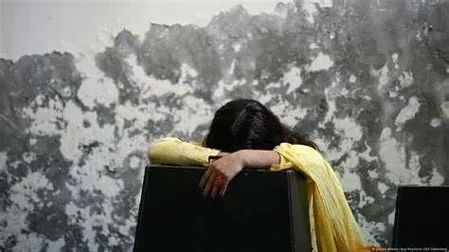
A 12-year-old Christian girl, Zarvia Pervaiz, from Pakistan's Punjab province, remains in the custody of her alleged abductors after a court dismissed the case against them, according to a report published in PJ Media. The girl was reportedly abducted, forcibly converted to Islam, and married — with evidence of duress said to have been ignored during legal proceedings.
How the Abduction Unfolded
According to the report, Zarvia was abducted in April 2022 by a 40-year-old man and his wife, individuals who had previously been sheltered by her family during a period of financial hardship. The girl was allegedly subjected to threats of violence against her family members to coerce compliance.
A recorded phone call between Zarvia and her brother, made after the abduction, reportedly captured her saying: 'They are saying I have to do as they say, otherwise, they will kill my brothers.' This recording was among evidence cited by rights groups as proof of duress.
Court Dismissal and Ignored Evidence
In August 2022, Justice Sadaqat Ali Khan of the Rawalpindi Bench of the Lahore High Court reportedly dismissed the case within minutes, stating: 'The girl is 12, she is married, and she did it out of her free will.' Rights groups, including the US Commission on International Religious Freedom (USCIRF), cited the ruling as a stark example of institutional failure to protect minority children.
Turkey-born journalist Uzay Bulut, formerly based in Ankara, wrote in PJ Media that 'Pakistan has devolved into a hunting ground for minority youth, where non-Muslim children are systematically stolen from their families, stripped of their faith, and subjected to horrific abuse under the blind eye of the law.'
Scale of the Problem: Around 1,000 Cases a Year
Multiple organisations — including the Human Rights Commission of Pakistan (HRCP), the United Nations, and the Movement for Solidarity and Peace — reportedly estimate that around 1,000 minority children are abducted annually in Pakistan. Victims are said to be disproportionately young girls from impoverished Hindu and Christian communities.
According to the report, local police frequently decline to register such cases, classifying them instead as family disputes or voluntary runaway situations. This delay, critics argue, gives abductors time to relocate victims or obtain fraudulent legal documentation, making rescue significantly more difficult.
Recent Cases in Balochistan and Beyond
On 15 November 2026, minority members of the Balochistan Assembly, Ashok Kumar and Sanjay Kumar, held a protest against authorities' failure to locate Bindiya Kumari, a Hindu girl allegedly kidnapped from Sibi in the province and reportedly forcibly converted and married.
Earlier, on 6 November 2026, the Voice of Pakistan Minority (VOPM) documented three additional cases — Maria Shahbaz, Neha Faqir, and Sonia Tariq — minors alleged to have been abducted, forcibly converted, and married, as recorded in the USCIRF account.
Rights Groups Call for Action
The USCIRF has called on Pakistani authorities to investigate such allegations promptly, assess age evidence fairly, and ensure that girls can share their accounts without intimidation. Critics argue that until courts treat these cases as child abduction rather than religious choice, the cycle of impunity is unlikely to be broken.
With international rights bodies and diaspora journalists increasingly documenting individual cases, pressure on Islamabad to overhaul its legal response to minority child abductions is likely to grow in the months ahead.
Point of View
Citing a 12-year-old's 'free will', is precisely the institutional response that rights groups say enables thousands of similar abductions every year. What is striking is that documented evidence of coercion — a recorded phone call threatening family murder — was apparently set aside, raising serious questions about judicial independence in cases involving minority communities. Pakistan's international obligations under the Convention on the Rights of the Child are unambiguous, yet domestic courts appear to routinely subordinate child-protection principles to a religious-choice framing. Until Islamabad creates enforceable accountability mechanisms, USCIRF reports will keep documenting cases that Pakistani courts keep closing.
NationPress
16 Nov 2026
Frequently Asked Questions
Who is Zarvia Pervaiz and what happened to her?
Zarvia Pervaiz is a 12-year-old Christian girl from Pakistan's Punjab province who was abducted in April 2022 by a 40-year-old man and his wife, people her family had sheltered during financial hardship. She was allegedly forcibly converted to Islam and married, and reportedly remains in her abductors' custody after a court dismissed the case.
Why did the Pakistani court dismiss the case?
In August 2022, Justice Sadaqat Ali Khan of the Rawalpindi Bench of the Lahore High Court dismissed the case within minutes, stating the girl was 12, was married, and had acted of her own free will. Rights groups say the court ignored a recorded phone call in which Zarvia told her brother she was being threatened with her brothers' deaths if she did not comply.
How widespread is the forced conversion of minority children in Pakistan?
Multiple organisations — including the Human Rights Commission of Pakistan, the United Nations, and the Movement for Solidarity and Peace — estimate that around 1,000 minority children are abducted in Pakistan every year. Victims are disproportionately young girls from impoverished Hindu and Christian communities.
What are other recent cases of forced conversion in Pakistan?
On 15 November 2026, Balochistan Assembly minority members Ashok Kumar and Sanjay Kumar protested the unresolved abduction of Hindu girl Bindiya Kumari from Sibi. On 6 November 2026, the Voice of Pakistan Minority documented the cases of three additional minors — Maria Shahbaz, Neha Faqir, and Sonia Tariq — as recorded in a USCIRF account.
What has the international community said about these cases?
The US Commission on International Religious Freedom (USCIRF) has called on Pakistani authorities to investigate such allegations promptly, assess age evidence fairly, and ensure girls can speak without intimidation. Rights groups and international journalists are increasingly documenting individual cases to build pressure on Islamabad.