Pakistan Punjab, Sindh Christian marriage bills: Churches demand real consultation
Synopsis
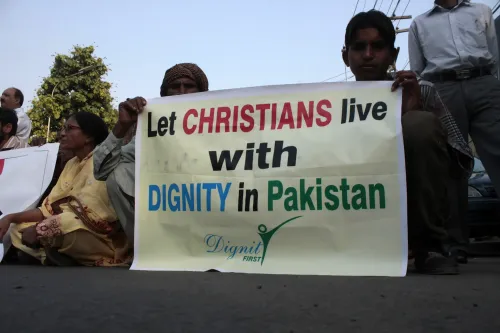
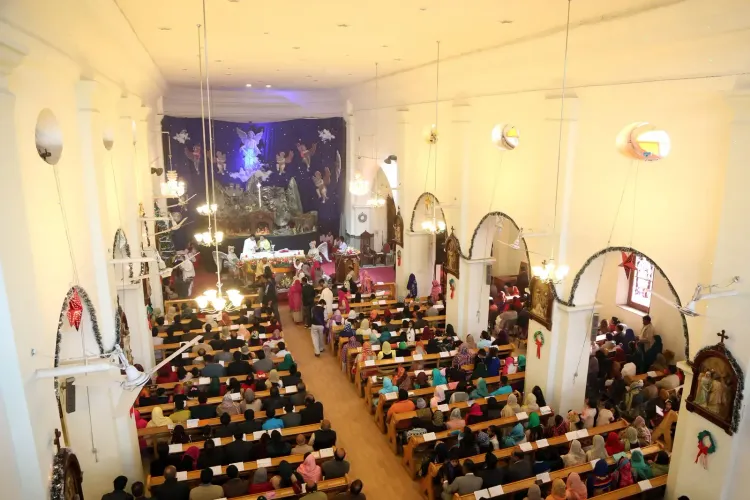
Two provincial bills in Pakistan — one in Punjab, one in Sindh — are advancing fast to overhaul Christian marriage laws, but churches warn they have not been genuinely consulted. The bills could redraw doctrine on divorce and remarriage for a fragmented, multi-denominational community, raising a constitutional religious-freedom question Pakistan has rarely had to answer directly.
Key Takeaways
The Punjab Christian Marriage Bill 2026 was cleared unanimously by the Standing Committee on 30 September and awaits a full House vote.
The bill would set the minimum marriage age at 18 and make NADRA registration mandatory for Christian couples in Punjab.
Deputy Speaker Anthony Naveed has introduced the broader Sindh Christian Family Laws Bill 2026 , covering divorce, custody, maintenance, and remarriage.
The Bitter Winter report invokes Article 20 of Pakistan's Constitution to argue churches — not NGOs — must speak for the faith on doctrinal matters.
Critics stress Pakistan's Christian community spans several denominations with differing views on marriage and divorce.
The report insists Pakistan need not choose between protecting human rights and respecting Christian doctrine.
Proposed legislation in Pakistan's Punjab and Sindh provinces that would overhaul Christian marriage and family laws must not be finalised without genuine, structured consultation with churches, according to a report by Bitter Winter. The warning comes as both bills advance through provincial assemblies, with critics arguing the reforms risk redefining core Christian doctrines on marriage, divorce, and remarriage.
What the Bills Propose
The Punjab Christian Marriage Bill 2026 seeks to replace the Christian Marriage Act of 1872 — a colonial-era statute widely acknowledged as outdated. The proposed law would reportedly fix 18 as the minimum marriage age for both men and women, require both parties to be Christian, and make registration with the Union Council and the National Database and Registration Authority (NADRA) mandatory. The bill was unanimously cleared by the Punjab Assembly's Standing Committee on Human Rights and Minority Affairs on 30 September and now awaits a vote in the full House.
In Sindh, Deputy Speaker Anthony Naveed has moved the considerably wider Christian Family Laws Bill 2026 as a private member's bill. That legislation reportedly covers divorce, judicial separation, maintenance, remarriage, child custody, and family property — areas that the Bitter Winter report describes as 'sensitive territory of Christian doctrine.'
Why Churches Are Concerned
The report stresses that marriage, for Christians, is a sacred covenant and not merely a civil contract. While it acknowledges valid grounds to reform colonial-era statutes, it insists the process demands exceptional care. Invoking Article 20 of Pakistan's Constitution — which guarantees religious freedom and the right of denominations to manage their own institutions — the report argues that non-governmental organisations cannot speak for the Church on matters of faith. 'Inviting church representatives to a meeting should not automatically be presented as the Church's endorsement of the proposed legislation,' the report states.
The Rights Dimension
The Bitter Winter report does not dismiss the legislation outright. It explicitly acknowledges that 'Christian citizens, particularly women and children, deserve proper marriage registration, protection against forced and underage marriage, due process, and effective remedies against abuse and injustice.' The concern is procedural and doctrinal rather than an opposition to reform itself.
A Plural Community, Multiple Doctrines
Notably, Pakistan's Christian community comprises several denominations that do not read every question of marriage and divorce identically. The report calls for adequate time for churches, theologians, legal experts, and women to examine the draft texts and propose alternatives, warning against a one-size-fits-all legislative approach. 'Pakistan does not have to choose between protecting human rights and respecting the Christian faith,' it said.
What Comes Next
With the Punjab bill already through committee stage, a full House vote could come soon. The Sindh bill's broader scope makes its passage timeline less certain. Observers note that how provincial governments handle the consultation question will set a precedent for minority religious legislation across Pakistan. Failure to engage churches meaningfully risks legal challenges under constitutional religious-freedom provisions.
Point of View
Custody, and remarriage is precisely the terrain where state law and church teaching have historically collided. The invocation of Article 20 is legally pointed: if challenged, courts could find that legislation redrawing sacramental definitions without denominational consent is unconstitutional. The government's choice now is between rushing a headline reform or taking the time to produce one that actually holds.
NationPress
18 Oct 2026
Frequently Asked Questions
What is the Punjab Christian Marriage Bill 2026?
It is a proposed law in Pakistan's Punjab province that would replace the colonial-era Christian Marriage Act of 1872. The bill reportedly sets the minimum marriage age at 18 for both men and women, requires both parties to be Christian, and mandates registration with the Union Council and NADRA.
What does the Sindh Christian Family Laws Bill 2026 cover?
The Sindh bill, introduced by Deputy Speaker Anthony Naveed as a private member's bill, is considerably wider than the Punjab legislation. It reportedly covers divorce, judicial separation, maintenance, remarriage, child custody, and family property — areas with direct implications for Christian doctrine.
Why are churches opposed to the bills in their current form?
Churches are not categorically opposed to reform but insist on genuine consultation before passage. The concern is that the bills, particularly the Sindh version, enter sensitive doctrinal territory — redefining Christian teachings on marriage, divorce, and remarriage — without adequate input from church leaders, theologians, or women from the community.
What constitutional protection do Pakistan's Christians have on religious matters?
Article 20 of Pakistan's Constitution guarantees freedom of religion and gives religious denominations the right to manage their own institutions. The Bitter Winter report argues this provision requires that churches — not civil society organisations — be the primary voice on matters of faith and doctrine.
What happens next with the Punjab bill?
Having cleared the Punjab Assembly's Standing Committee on Human Rights and Minority Affairs unanimously on 30 September, the Punjab bill now awaits a vote in the full House. The timeline for the broader Sindh bill remains less certain given its wider scope.