Pakistan central govt debt hits Rs 81.9 trillion, slowest rise in 15 years
Synopsis
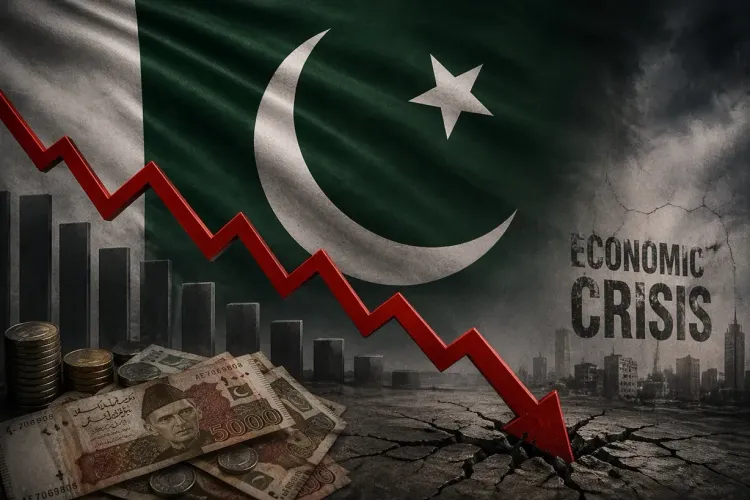
Pakistan's central government debt reached Rs 81.9 trillion in the first 11 months of FY26 — a 5.2% rise that is, paradoxically, the slowest in 15 years. With interest payments down 23% and debt-management reforms underway, the numbers suggest progress, but the debt-to-GDP ratio at 62.2% still towers over the 50% statutory target due by FY33.
Key Takeaways
Pakistan's central government debt reached Rs 81.9 trillion during July–May FY2025-26 .
Debt rose by Rs 4 trillion or 5.2 per cent — the slowest 11-month increase in 15 years .
Domestic debt stood at Rs 58.1 trillion ; external debt (excluding IMF) at Rs 23.8 trillion .
The debt-to-GDP ratio was estimated at 62.2 per cent for FY26, against a statutory target of 50 per cent by FY33 .
Interest payments fell 23 per cent to Rs 4.9 trillion in the first nine months of FY26, down from Rs 6.4 trillion a year earlier.
Pakistan's central government debt climbed to Rs 81.9 trillion during July–May of fiscal year 2025-26, according to a report citing official government data, as the country recorded its slowest pace of debt accumulation in 15 years on an 11-month fiscal-year basis.
Debt Breakdown
Total domestic debt stood at Rs 58.1 trillion (Pakistani rupee), while external debt, excluding obligations to the International Monetary Fund (IMF), amounted to Rs 23.8 trillion. In July 2025, total central government debt was Rs 77.9 trillion, comprising Rs 54.5 trillion in domestic debt and Rs 23.4 trillion in external debt.
Pace of Increase
Debt rose by Rs 4 trillion, or 5.2 per cent, over the first 11 months of the fiscal year, according to the report published in the Business Recorder. This marks the slowest such increase in 15 years on a comparable 11-month basis — a figure the government has pointed to as evidence of improving fiscal discipline.
Debt-to-GDP Trajectory
The debt-to-GDP ratio was estimated at 68.5 per cent in June 2026. Based on public deposit data available through end-March 2026, the ratio for FY26 was estimated at 62.2 per cent. Pakistan's Finance Minister Aurangzeb noted that the country's fiscal responsibility and debt limitation act mandates a gradual reduction in public debt, targeting a debt-to-GDP ratio of 50 per cent by FY33, with annual reductions beginning in FY24.
Interest Payments and Debt Management
Interest payments during the first nine months of FY26 fell to Rs 4.9 trillion from Rs 6.4 trillion a year earlier — a decline of 23 per cent. This comes amid active debt-management measures, including debt buybacks, retirements, and a strategic shift toward longer-tenor borrowing instruments.
What It Signals
The moderation in debt growth, combined with falling interest payments, reflects Pakistan's ongoing effort to stabilise its public finances under IMF oversight. Notably, however, the debt-to-GDP ratio at 62.2 per cent remains well above the 50 per cent statutory target, leaving a significant gap to close before FY33. The pace of reduction will depend heavily on sustained revenue growth and continued restraint on expenditure — both of which have historically proved difficult to maintain.
Point of View
And a debt-to-GDP ratio of 62.2% against a legally mandated 50% target by FY33 means the country must sustain fiscal discipline for seven more years without slippage. Pakistan's track record on that front is mixed. The 23% drop in interest payments is real relief, but it partly reflects debt restructuring and concessional IMF terms rather than organic fiscal strength. The structural question — whether revenue mobilisation can outpace spending pressures — remains unanswered.
NationPress
5 Oct 2026
Frequently Asked Questions
What is Pakistan's total central government debt as of May 2026?
Pakistan's central government debt stood at Rs 81.9 trillion during July–May of fiscal year 2025-26, according to a report citing official government data. This includes domestic debt of Rs 58.1 trillion and external debt of Rs 23.8 trillion, excluding IMF obligations.
Why is Pakistan's debt growth described as the slowest in 15 years?
Debt increased by Rs 4 trillion, or 5.2 per cent, over the first 11 months of FY26 — the smallest such rise in 15 years on an equivalent 11-month fiscal-year basis. The government attributes this to fiscal consolidation measures, debt buybacks, and a shift to longer-tenor borrowing.
What is Pakistan's debt-to-GDP ratio and what is the target?
The debt-to-GDP ratio was estimated at 62.2 per cent for FY26, based on data available through end-March 2026. Pakistan's fiscal responsibility law requires this ratio to fall to 50 per cent by FY33, with annual reductions beginning from FY24.
How much did Pakistan's interest payments fall in FY26?
Interest payments during the first nine months of FY26 dropped to Rs 4.9 trillion from Rs 6.4 trillion in the same period a year earlier — a decline of 23 per cent. This has provided some fiscal breathing room alongside broader debt-management initiatives.
What debt-management steps has Pakistan taken?
Pakistan has pursued debt buybacks, retirements, and a strategic shift toward longer-tenor borrowing instruments to reduce rollover risk and interest costs. Finance Minister Aurangzeb has cited these measures as central to the country's fiscal stabilisation plan under its statutory debt-reduction framework.