Pakistan drug shortage: Output falls 21.5%, surgeries postponed
Synopsis
Pakistan's forex crunch has become a health crisis. Medicine output has dropped 21.5%, hospitals are reportedly postponing surgeries over missing stents and transplant kits, and ships carrying drug inputs sit stuck at ports. With the IMF's $1.1 billion tranche stalled and inflation near 31.5%, there is no quick fix in sight.
Key Takeaways
Medicine production in Pakistan has reportedly fallen by 21.5 per cent in recent months.
Banks granted only about half of letter of credit requests, according to Syed Farooq Bukhari of the Pakistan Pharmaceutical Manufacturers Association .
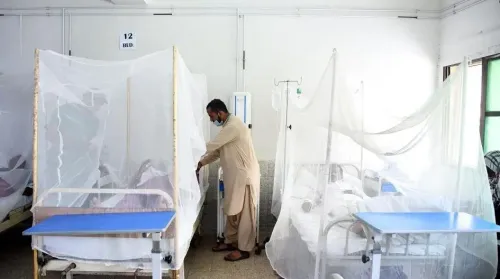
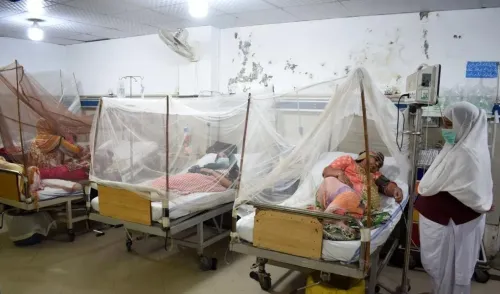
Government hospitals have reportedly postponed surgeries over shortages of oxygenators, coronary stents, transplant kits and syringes.
Officials say the LC problem will persist until the IMF releases a $1.1 billion bailout tranche.
The industry wants a 38.5 per cent price hike, but the government approved only a slight increase for 19 medicines , with inflation at about 31.5 per cent .
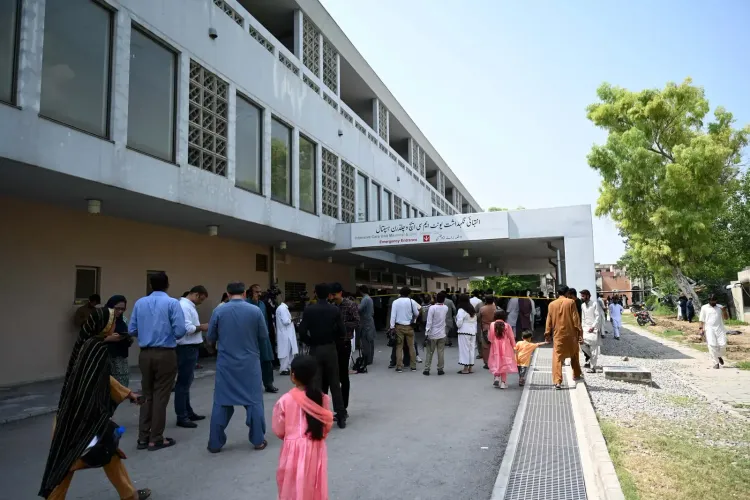
Pakistan's pharmaceutical crisis has deepened, with medicine production reportedly falling by 21.5 per cent in recent months. Severe foreign exchange shortages and a stalled International Monetary Fund (IMF) bailout have choked imports of raw materials and medical equipment. The result, according to a report by Germany-based broadcaster DW, is production cuts, medicine shortages and postponed surgeries at government hospitals.
The crisis is rooted in commercial banks' refusal to issue letters of credit (LCs), the documents importers need to bring pharmaceutical inputs into the country. The disruption is now reaching patients directly.
Key Developments
Syed Farooq Bukhari, chairman of the Pakistan Pharmaceutical Manufacturers Association, was quoted in the report as saying that banks granted only about half of LC requests because of pressure on the country's foreign exchange reserves.
LCs guarantee payment to suppliers within a fixed period. Without them, drugs cannot be imported. The report said the bottleneck has led to hoarding by wholesalers and retailers.
“There are also reports that government hospitals have postponed important surgeries due to the unavailability or shortages of imported oxygenators, coronary stents, transplant kits and syringes,” the report mentioned.
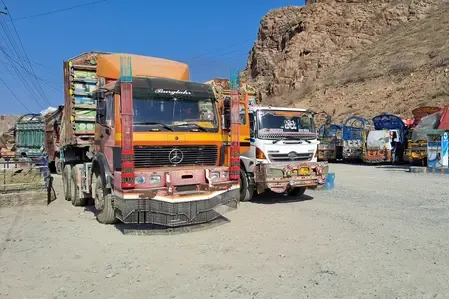
Pharmaceutical companies have also flagged logistics paralysis. “Pharmaceutical companies have also complained that scores of ships and containers carrying raw materials and medical devices imported from China, Europe and the US are stuck at seaports due to payment delays caused by dollar shortages on the market,” the report noted.
The IMF Factor
Officials have linked the LC problem to Pakistan's low foreign exchange reserves. They maintain it will persist until the IMF releases a $1.1 billion bailout tranche.
According to the report, IMF negotiators held talks with Pakistani Finance Minister Ishaq Dar in Islamabad last month. The team returned to the United States without reaching a deal to unlock the funds. This leaves the health sector's import pipeline tied to the outcome of Islamabad's negotiations with its lender of last resort.
Rising Costs and the Pricing Deadlock
Most medicines manufactured in Pakistan depend on imported raw materials. The sharp depreciation of the Pakistani rupee and rising energy costs have pushed production expenses higher.
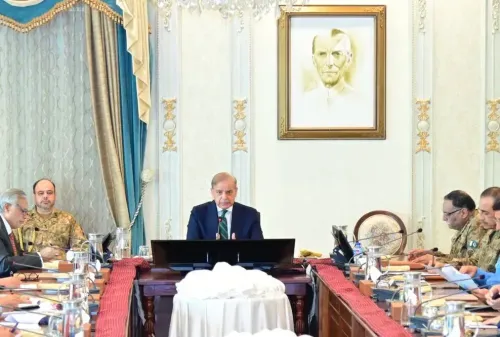
The industry has sought a 38.5 per cent increase in medicine prices, arguing that government-approved rates no longer reflect input costs. However, Prime Minister Shahbaz Sharif's administration has avoided a broad-based hike, reportedly fearing public backlash with inflation already at about 31.5 per cent.
The Drug Regulatory Authority of Pakistan recently approved a slight price increase for 19 medicines, including pain relievers and fever reducers. Manufacturers called the revision insufficient.
Impact on Patients
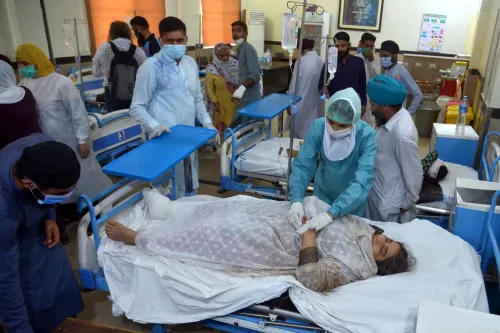
The shortages place patients awaiting cardiac procedures and transplants at particular risk, given the reported scarcity of stents, oxygenators and transplant kits.
Notably, the crisis shows how a balance-of-payments problem can quickly become a public health emergency in an import-dependent drug market. Manufacturers face a double squeeze: they cannot import enough inputs, and they cannot raise prices enough to cover the inputs they do get.
Relief now appears to depend largely on whether Islamabad can secure the IMF tranche. Until then, hospitals and patients face continued uncertainty over essential medicines and procedures.
Point of View
Health security has become hostage to fiscal mismanagement. The government's refusal to allow a broad price hike is politically understandable at 31.5% inflation, but it leaves manufacturers unable to produce, and that harms patients more than higher prices would. For India, the episode is a reminder of why reducing dependence on imported pharmaceutical ingredients is a strategic priority.
NationPress
27 Nov 2026
Frequently Asked Questions
Why is Pakistan facing a medicine shortage?
Pakistan's medicine shortage stems from a foreign exchange crunch that has led banks to refuse letters of credit needed to import pharmaceutical raw materials. Medicine production has reportedly fallen by 21.5 per cent as a result.
Are surgeries being postponed in Pakistan?
Yes, government hospitals have reportedly postponed important surgeries. The cause is shortages of imported oxygenators, coronary stents, transplant kits and syringes.
How is the IMF linked to Pakistan's drug crisis?
Officials say the letter of credit problem will last until the IMF releases a $1.1 billion bailout tranche. IMF negotiators held talks with Finance Minister Ishaq Dar in Islamabad last month but left without a deal.
Has Pakistan raised medicine prices?
Only marginally. The Drug Regulatory Authority of Pakistan approved a slight hike for 19 medicines, while the industry has sought a 38.5 per cent increase, which the government has avoided amid inflation of about 31.5 per cent.
Why are pharmaceutical shipments stuck at Pakistan's ports?
Ships and containers carrying raw materials and medical devices from China, Europe and the US are stuck because dollar shortages have delayed payments, according to pharmaceutical companies.