Pakistan's ruling elites prioritise foreign trips over domestic reform: Dawn
Synopsis
A blistering Dawn analysis lays bare how Pakistan's ruling class treats overseas summits and photo-ops as a substitute for governing — while poverty rises, 37% of citizens remain illiterate, and the country ranks among the world's worst for acute hunger. Former ambassador Maleeha Lodhi's verdict is unsparing: Pakistan's future will be decided at home, not in Davos.
Key Takeaways
A Dawn analysis finds Pakistan's ruling elites prioritise foreign engagements over domestic structural reform.
Former ambassador Maleeha Lodhi argues overseas trips serve as a substitute for electoral legitimacy under authoritarian and hybrid regimes .
Pakistan ranks among the top 10 nations globally for acute hunger, according to Action Against Hunger .
Pakistan has the world's second highest number of out-of-school children ; 37% of its population remains illiterate.
Poverty in Pakistan has reportedly increased in recent years, despite successive government claims of economic stabilisation.
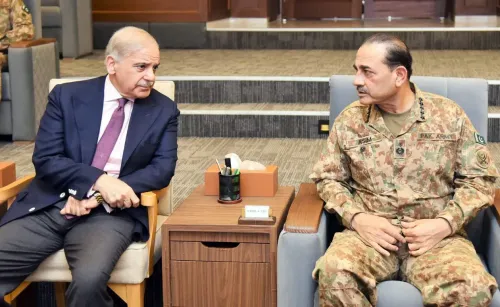
Pakistan's ruling elite has consistently prioritised foreign engagements and international diplomacy over addressing the country's mounting domestic crises, according to an analysis published in leading Pakistani daily Dawn. The report, dated 9 November 2026, argues that this outward focus has come at a severe cost to the welfare of ordinary Pakistanis.
Media Reflects Elite Priorities
Pakistani television talk shows and mainstream media outlets devote the bulk of their airtime to foreign policy debates, defence agreements, and global developments, the Dawn analysis notes. While some international coverage is warranted — given an active conflict in the region and Pakistan's geopolitical exposure — domestic issues that more directly determine the country's fate receive comparatively little attention.
Why Elites Favour Foreign Over Domestic Fixes
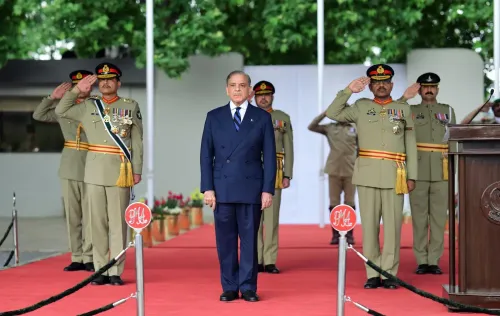
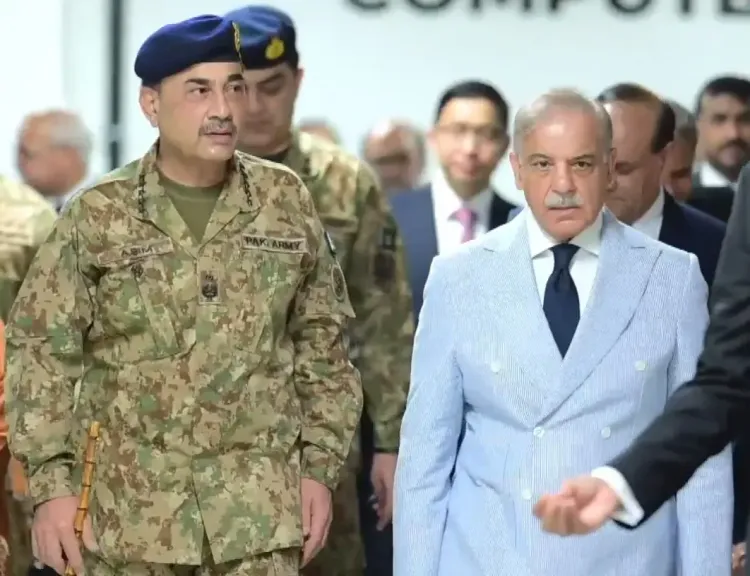
According to the report, several structural incentives drive this behaviour. Foreign engagements offer access to geopolitical rents that keep the economy afloat, allowing the ruling class to avoid the politically costly work of domestic structural reform. For governments resting on what critics describe as questionable electoral mandates, international visits and photo opportunities with world leaders also serve as a substitute for domestic legitimacy.
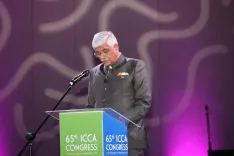
Maleeha Lodhi, Pakistan's former ambassador to the United States, the United Kingdom, and the United Nations, articulated this dynamic in her opinion piece for Dawn. 'For governments resting on dubious electoral mandates, it is also the means to acquire international legitimacy to compensate for its absence at home. This is more so for authoritarian and hybrid regimes. There is also more cachet in taking overseas trips and having photo-ops with world leaders than trying to get ministries to do their job. That is why ministers often spend more time abroad than in the country, with prime ministers exceeding their predecessors' record of foreign visits,' Lodhi wrote.
The Human Cost: Poverty, Hunger and Illiteracy
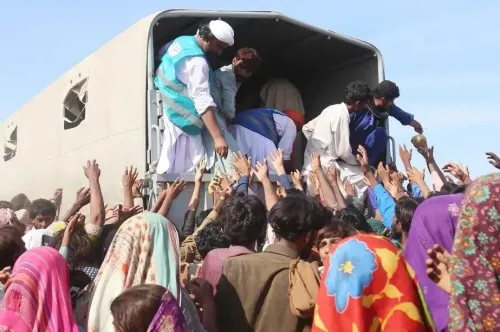
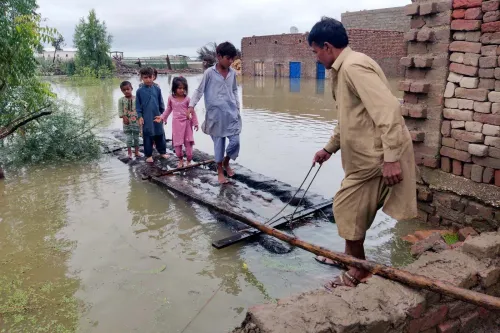
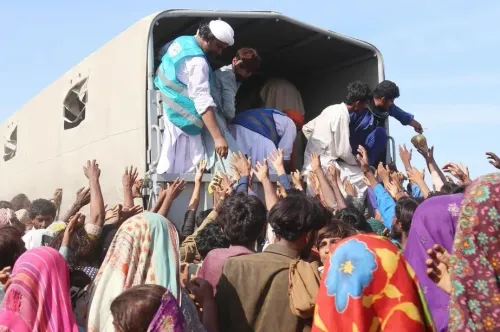
The report draws a direct line between elite inattention and worsening human development indicators. Poverty in Pakistan has reportedly increased in recent years. The country has also been listed among the top 10 nations globally where millions face acute hunger, according to international humanitarian organisation Action Against Hunger. Worsening food security has been attributed to economic instability, persistent inflation, and climate shocks.
Pakistan additionally holds the world's second highest number of out-of-school children, while 37 per cent of the population remains illiterate — a structural barrier to any meaningful economic progress, the report argues.
'Fixing the country's problems is much harder than flying off to, say, Davos. A cynical explanation is that the country's problems — poverty, hunger, lack of education, and health facilities, malnutrition, growing population numbers — don't affect the power elite, so if they fester there is no skin off its back,' Lodhi wrote.
Nation-Building Must Come First, Analysts Say
Lodhi's piece concludes with a pointed argument that foreign-policy prestige is ultimately hollow without domestic progress. 'Human capital and human development, crucial for economic growth, have suffered from government indifference and deteriorated over time. Foreign engagements count for little when there is no improvement in the condition of the majority of people. Nation-building at home should have priority. Pakistan's future, after all, will be determined at home, not abroad,' she wrote.
The analysis reflects a broader debate within Pakistani civil society about whether the country's political establishment has the will — or the incentive — to pursue the structural reforms needed to lift millions out of poverty. With key social and economic indicators continuing to deteriorate, pressure on the government to refocus inward is likely to grow.
Point of View
It is the system. The uncomfortable implication is that foreign patrons — whether in Beijing, Riyadh, or Washington — are themselves complicit in subsidising the status quo, reducing pressure on Islamabad to reform. Until the cost of inaction falls on those who govern rather than those who are governed, Lodhi's warning risks becoming an annual ritual rather than a turning point.
NationPress
9 Nov 2026
Frequently Asked Questions
What does the Dawn report say about Pakistan's ruling elites?
The Dawn report argues that Pakistan's ruling elites devote disproportionate attention to foreign engagements and international diplomacy instead of addressing domestic crises such as poverty, hunger, and illiteracy. It draws on an opinion piece by former ambassador Maleeha Lodhi, who contends that overseas trips serve as a substitute for the hard work of domestic governance and, for governments with weak mandates, a source of international legitimacy.
Who is Maleeha Lodhi and what did she write?
Maleeha Lodhi is Pakistan's former ambassador to the United States, the United Kingdom, and the United Nations. In her opinion piece for Dawn, she argued that ministers and prime ministers spend more time abroad than at home, that photo-ops with world leaders substitute for genuine governance, and that Pakistan's future will ultimately be determined by what happens domestically, not internationally.
How bad is Pakistan's hunger and literacy crisis?
Pakistan ranks among the top 10 nations globally where millions face acute hunger, according to humanitarian organisation Action Against Hunger, with food insecurity driven by economic instability, inflation, and climate shocks. The country also has the world's second highest number of out-of-school children, and 37% of its population remains illiterate — a structural barrier to economic progress.
Why do Pakistani elites focus on foreign policy over domestic reform?
According to the Dawn analysis, foreign engagements offer access to geopolitical rents that help keep the economy afloat, allowing the ruling class to avoid politically costly structural reforms at home. For governments with questionable electoral mandates, international visibility also provides a form of legitimacy that is difficult to generate domestically.
What reforms are needed in Pakistan?
The Dawn report and Maleeha Lodhi's analysis point to the need for structural economic reforms, improved human capital investment, and urgent action on poverty, food security, education, and healthcare. The authors argue these domestic priorities must take precedence over foreign-policy prestige if Pakistan's long-term future is to improve.