Pakistan reverses Taiwanese airline airspace ban within hours, drawing global scrutiny
Synopsis
Pakistan became the first country to block Taiwanese airlines from its airspace in apparent deference to Beijing's One China policy — then reversed the ban within hours. The whiplash drew sharp rebukes from Taipei, exposed the fragility of civil aviation norms under geopolitical pressure, and raised questions about just how far Islamabad is willing to go for Beijing.
Key Takeaways
Pakistan barred Taiwanese airlines from its airspace between 25 and 28 October , reportedly in line with Beijing's One China policy.
The restriction was reversed within hours, making Pakistan the first country reported to have imposed and then walked back such a ban.
China Airlines Ltd and Eva Airways Corp have now been cleared to operate over Pakistan from 28 October 2026 to 27 March 2027 .
Pakistani Defence Minister Khawaja Asif confirmed the aviation division follows the 'One China policy — only mainland China is allowed.' Taiwan's Cabinet 'deeply regretted' the move, with officials warning it sent 'a dangerous message to the international community.' Taiwan's Deputy Foreign Minister Chen Ming-chi suggested China may have influenced Islamabad's decision, though no direct evidence was presented.
Pakistan briefly barred two Taiwanese airlines from its airspace, reportedly aligning with Beijing's 'One China' policy, before reversing the decision within hours — a rapid U-turn that has drawn international attention to the intersection of diplomatic pressure, aviation rights, and regional geopolitics, according to reports.
What Happened
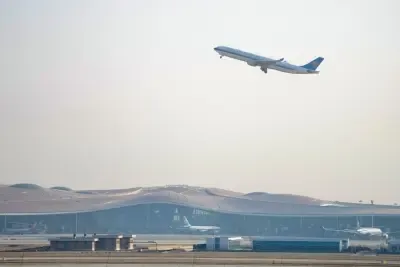
Earlier this week, Pakistani aviation authorities denied overflight access to two Taiwanese carriers, reportedly in deference to China's 'One China' policy. The restriction, which lasted only a matter of hours, made Pakistan the first country reported to have imposed such curbs on Taiwanese airlines before swiftly walking them back.
According to flight-tracking data cited in reports, Taiwanese carriers rerouted flights and did not fly over Pakistan between 25 and 28 October. China Airlines Ltd and Eva Airways Corp, which operated at least a dozen flights between Asia and Europe flying over Russia during that period, have since been granted permission to operate flights from 28 October 2026 to 27 March 2027 by Pakistani authorities.
What Pakistan's Government Said
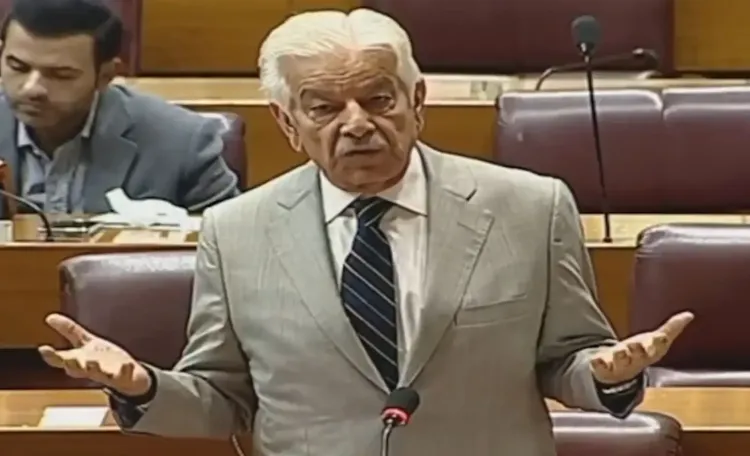
Pakistani Defence Minister Khawaja Asif, speaking to an international news outlet, stated that Islamabad had permitted only Chinese airlines to fly over Pakistan. 'The aviation division follows the One China policy — only mainland China is allowed,' Asif was quoted as saying. The statement came even as overflight rights were being restored, raising questions about the coherence of Islamabad's position.
Taiwan's Response and Concerns
Taiwan raised serious concerns over the episode, with officials suggesting that China may have influenced Islamabad's decision — though no direct evidence of Chinese involvement was presented. Taiwan's Deputy Foreign Minister Chen Ming-chi described the move as one that 'could send a dangerous message to the international community.'
Executive Yuan spokeswoman Michelle Lee said at a Cabinet news conference that the Cabinet 'deeply regretted' Pakistan's brief closure of its airspace. 'We deeply regret Pakistan's behavior, including pandering to China by compromising flight safety, disregarding international rules and reality, undermining our national sovereignty, and politicizing and weaponizing airspace,' Lee was quoted as saying.
Geopolitical Significance
The episode is notable for several reasons. This comes amid a broader pattern of countries navigating the increasingly sharp diplomatic demands of Beijing's One China framework, which insists that Taiwan is a province of China and not a sovereign state. Notably, no other country has previously been reported to have imposed — and then reversed — overflight restrictions specifically targeting Taiwanese carriers on these grounds.
Critics argue the incident illustrates the tangible risks of conflating diplomatic positioning with civil aviation governance, a domain traditionally governed by international safety norms rather than bilateral political arrangements. The rapidity of the reversal, meanwhile, suggests significant behind-the-scenes pressure was brought to bear on Islamabad.
What Happens Next
With overflight clearance now granted through to 27 March 2027, the immediate disruption to Taiwan-Europe flight routes appears resolved. However, the episode is likely to prompt scrutiny of how countries balance diplomatic obligations to Beijing against international aviation norms — and whether similar restrictions could be imposed, and reversed, elsewhere.
Point of View
And what it reveals. Pakistan moved quickly enough to impose the restriction that it suggests a deliberate policy call, not an administrative error; yet it reversed just as quickly, implying external pressure overrode that call within hours. That sequence points to a fragile balancing act: Islamabad wants Beijing's approval but cannot afford the diplomatic and operational blowback of becoming an active instrument of Taiwan's isolation. For Beijing, the episode is a mixed signal — a willing partner that nonetheless flinched. For Taipei, the more unsettling question is which country attempts the same next, and does not reverse.
NationPress
30 Oct 2026
Frequently Asked Questions
Why did Pakistan ban Taiwanese airlines from its airspace?
Pakistan reportedly barred Taiwanese carriers from its airspace in line with Beijing's One China policy, which holds that Taiwan is part of China and not a separate sovereign state. Defence Minister Khawaja Asif confirmed the aviation division follows the One China policy, allowing only mainland Chinese airlines.
How long did the Pakistan airspace ban on Taiwanese airlines last?
The ban was short-lived, lasting roughly from 25 to 28 October before overflight rights were restored. Pakistan became the first country reported to have imposed such a restriction on Taiwanese carriers before reversing it.
Which Taiwanese airlines were affected by Pakistan's airspace ban?
China Airlines Ltd and Eva Airways Corp were the two carriers affected. Both operated flights between Asia and Europe over Russia during the restricted period and have since been granted permission to fly over Pakistan from 28 October 2026 to 27 March 2027.
How did Taiwan respond to Pakistan's airspace restriction?
Taiwan's Cabinet 'deeply regretted' the move. Executive Yuan spokeswoman Michelle Lee said Pakistan had compromised flight safety, disregarded international rules, and 'weaponized airspace.' Deputy Foreign Minister Chen Ming-chi suggested China may have influenced Islamabad's decision, though no direct evidence was provided.
What are the broader implications of the Pakistan-Taiwan airspace episode?
The incident highlights the growing tension between Beijing's diplomatic demands under the One China framework and internationally accepted civil aviation norms. Analysts and critics argue it sets a concerning precedent for the politicisation of airspace, which has traditionally been governed by safety rather than bilateral politics.