Pakistan's anti-terror law targets lawmakers while UN-designated terrorists roam free
Synopsis
Pakistan's anti-terror law — designed to combat militancy — is being turned against opposition politicians, human rights lawyers, and activists, while UN-designated terrorists like Hafiz Saeed address mass rallies and raise funds openly. With KP Chief Minister Sohail Afridi the latest name on the list, a new report argues the law has become a tool of political suppression in a state where the army, not elected civilians, calls the shots.
Key Takeaways
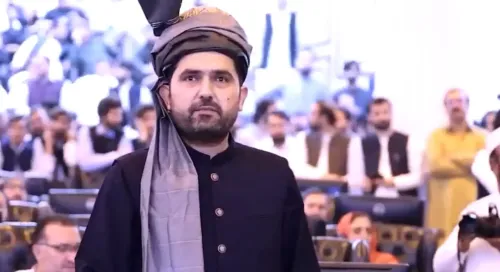
Khyber Pakhtunkhwa Chief Minister Sohail Afridi has been named in an anti-terrorism case, the latest in a string of opposition lawmakers implicated under Pakistan's 1997 Anti-Terrorism Act .
Human rights lawyers Imaan Zainab Mazari-Hazir and Hadi Ali Chattha have been in prison since January , each sentenced to a total of 17 years under anti-terror legislation.
Former PM Imran Khan is currently in jail on terrorism charges; Nawaz Sharif and General Musharraf also faced the same law in earlier years.
UN-designated terrorist and Lashkar-e-Taiba founder Hafiz Muhammad Saeed continues to make public speeches despite multiple detentions and international bounties.
Pakistan's government reversed a ban on Tehreek-e-Labbaik Pakistan (TLP) and released hundreds of its members after the group threatened a march on Islamabad .
A report by journalist Uzay Bulut in PJ Media argues Pakistan's military — not civilian government — controls state policy and uses select terror groups as instruments of perceived national interest.
Pakistan's 1997 Anti-Terrorism Act is being systematically deployed against opposition politicians and human rights defenders, even as United Nations-designated terrorists operate freely, give public speeches, and raise funds across the country, according to a report by Turkey-born journalist Uzay Bulut published in PJ Media. The report highlights Khyber Pakhtunkhwa Chief Minister Sohail Afridi as the latest lawmaker named in an anti-terrorism case, adding to a growing list of politicians implicated under legislation critics say has been weaponised for political suppression.
A Pattern Spanning Decades
The report traces the misuse of anti-terror legislation to the turn of the century. Former Prime Minister Nawaz Sharif faced charges under the law in 2000, as did General Pervez Musharraf, who had overthrown Sharif in a military coup a year earlier. More recently, former Prime Minister Imran Khan — currently in jail — is also facing terrorism charges. Kashmiri, Pashtun, and Baloch activists have similarly been accused of terrorism in recent years, according to the report.
'Pakistan is home to numerous terror groups. However, anti-terrorism legislation is systematically used in cases involving politicians,' Bulut wrote. Since its enactment, the law has been amended multiple times to expand its definition and broaden the powers of law enforcement — creating, critics argue, a framework flexible enough to ensnare lawyers, politicians, and rights defenders.
Human Rights Lawyers Behind Bars
Among those currently imprisoned are human rights lawyers Imaan Zainab Mazari-Hazir and Hadi Ali Chattha, who have remained in detention since January and are being tried under anti-terrorism legislation. Each has been sentenced to a total of 17 years of imprisonment, with the longest individual sentence being 10 years, according to the report.
UN-Designated Terrorists Operate Openly
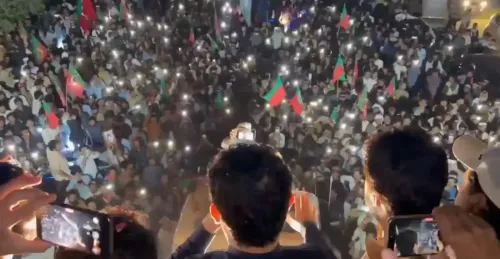
In stark contrast, the report notes that individuals designated as terrorists by the United Nations continue to make public appearances and fundraise within Pakistan. Lashkar-e-Taiba (LeT) founder and UN-designated terrorist Hafiz Muhammad Saeed has been placed under house arrest or detention on multiple occasions, only to be released by courts citing insufficient evidence. Despite international bounties and designations, Saeed and others have continued to address mass rallies on Pakistani soil.
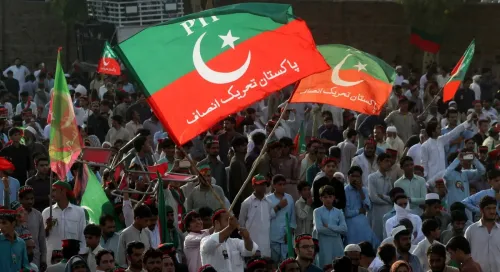
Pakistan's history with radical groups such as Tehreek-e-Labbaik Pakistan (TLP) further illustrates this dynamic. During protests in 2020 over the republication of Charlie Hebdo cartoons in France, thousands of TLP supporters clashed with police near Islamabad. The government ultimately yielded to TLP's demand for a boycott of French products to end the agitation. Although Pakistan subsequently declared TLP a terrorist organisation, it reversed course after the group called for a march on the capital — releasing hundreds of detained members and lifting the ban, citing the 'larger national interest.'
The 'Good Terrorist, Bad Terrorist' Doctrine
The report identifies two structural problems at the heart of Pakistan's security paradox. The first is an official policy of distinguishing between 'good' and 'bad' terrorists: those who attack Pakistani security forces and civilians are treated as threats, while those who conduct operations against India or advance the military establishment's ideological agenda are reportedly given latitude.
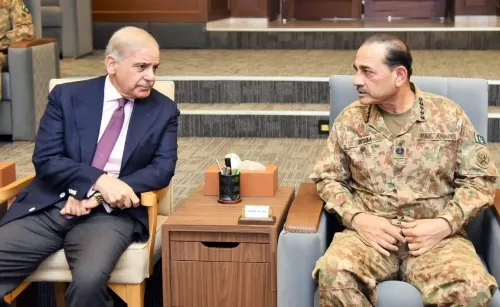
The second, Bulut argues, is a fundamental inversion of civilian authority. 'Pakistan's army — rather than a civilian government — controls state policy. The country does not have an army — the army has a country,' the report states. Behind what it describes as a 'fragile, rotational facade of civilian governance,' the military establishment is said to dictate national policy, using select terror groups as instruments of perceived state interest.
'The tragedy of Pakistan is an army that views peace as a threat to its budget and dissent as a crime against the nation. Hence, many actual terrorists roam freely while human rights lawyers are incarcerated in the country,' Bulut wrote.
Implications Beyond Pakistan's Borders
The dual reality described in the report has ramifications well beyond domestic politics, affecting neighbouring nations and international counterterrorism efforts. With KP Chief Minister Sohail Afridi now among those ensnared by anti-terror charges, and credible rights defenders languishing in prison, international pressure on Islamabad over its selective application of security law is likely to intensify.
Point of View
It is a feature. When a sitting provincial chief minister and imprisoned human rights lawyers face terrorism charges while Hafiz Saeed addresses rallies, the law's function as a political instrument becomes difficult to dispute. What mainstream coverage often underweights is the structural explanation: so long as civilian governments remain subordinate to the military establishment, no elected administration has the independent authority to enforce the law evenhandedly. The TLP episode — where the state declared a group terrorist, then capitulated twice — illustrates exactly how tenuous civilian decision-making is. International pressure and FATF-style monitoring have produced cosmetic compliance in the past; without a genuine shift in civil-military power, the pattern is likely to continue.
NationPress
29 Oct 2026
Frequently Asked Questions
Why is Pakistan's anti-terrorism law being used against politicians?
Critics and analysts argue that Pakistan's 1997 Anti-Terrorism Act has been repeatedly amended to broaden its scope, making it flexible enough to target political opponents, lawyers, and activists. According to a report by journalist Uzay Bulut, the law has been deployed against figures from former PM Nawaz Sharif to former PM Imran Khan, while UN-designated militants operate with relative freedom.
Who is Sohail Afridi and why has he been named in a terrorism case?
Sohail Afridi is the Chief Minister of Khyber Pakhtunkhwa and has been named in an anti-terrorism case, according to the report. He is the latest in a growing list of opposition lawmakers implicated under the 1997 anti-terror legislation in Pakistan, though specific case details beyond the naming were not elaborated in the source report.
Why is Hafiz Saeed still free despite being a UN-designated terrorist?
Hafiz Saeed, founder of Lashkar-e-Taiba and a UN-designated terrorist, has been placed under house arrest or detention multiple times in Pakistan, but courts have repeatedly released him citing lack of sufficient evidence. Despite international bounties and designations, he continues to make public appearances and address mass rallies in the country.
What happened with the ban on Tehreek-e-Labbaik Pakistan (TLP)?
Pakistan declared TLP a terrorist organisation after its supporters clashed with police near Islamabad during 2020 protests over Charlie Hebdo cartoons in France. However, when TLP threatened a march on Islamabad in response to the ban, the government reversed course — releasing hundreds of detained members and lifting the ban, citing the 'larger national interest.'
How does Pakistan's military role contribute to the misuse of anti-terror laws?
According to the report, Pakistan's military establishment — rather than elected civilian governments — effectively controls national policy. This power structure allows the army to use select terror groups for perceived strategic interests while deploying anti-terror legislation against political opponents and dissidents, creating a paradox where actual militants roam freely and rights defenders face imprisonment.