Have Pakistani Forces Successfully Occupied Balochistan?
Synopsis
Pakistani security forces have intensified their military presence in Balochistan's Nushki, deploying tanks and armored vehicles amidst escalating tensions with Baloch rebels. This article explores the implications of these actions and the ongoing resistance from local activists. Can the struggle for Baloch freedom endure against such formidable oppression?
Key Takeaways
Pakistani security forces have increased their military presence in Balochistan .
A curfew has been imposed to control the situation in Nushki .
The Baloch Liberation Army continues to resist Pakistani forces.
Local activists are vocal against military actions, labeling them as oppressive.
This conflict has historical ties to previous struggles for autonomy in the region.
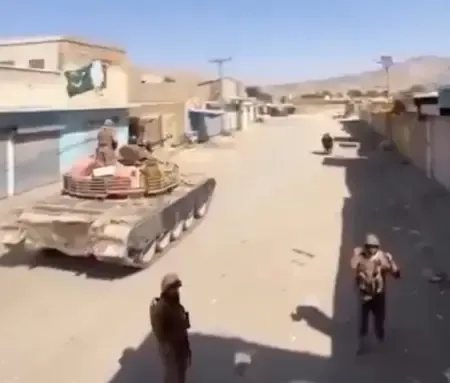
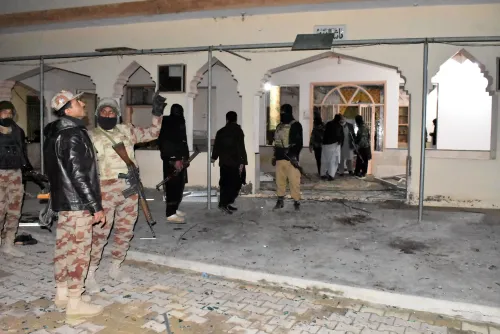
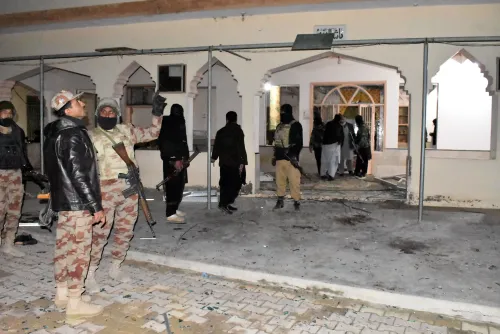
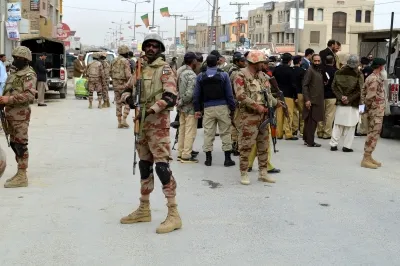
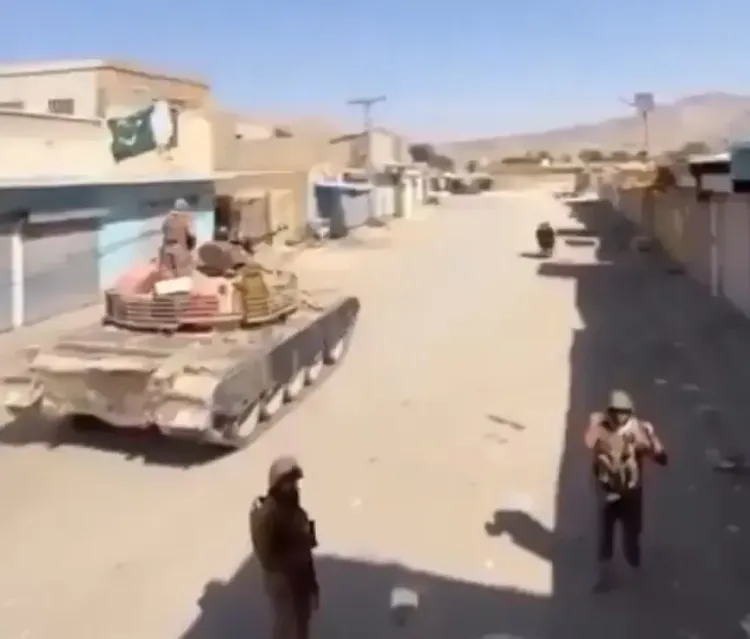
Quetta, Feb 10 (NationPress) Pakistani security forces have advanced into Balochistan's Nushki with tanks and armoured vehicles, escalating security measures following recent violent confrontations with Baloch rebels, according to local reports.
As military operations progressed, authorities enforced a curfew throughout the town, mandating that shops remain closed and urging residents to remain indoors.
The Balochistan Post reported, citing local sources, that security forces demolished the ancestral residence of Bashir Zeb Baloch, a prominent leader of the Baloch Liberation Army (BLA), amid the ongoing curfew and security operations.
This demolition occurred in the Ahmed Wal area, where Pakistani forces utilized explosives to destroy the home of Bashir Zeb Baloch, as part of wider security measures across various sections of Nushki.
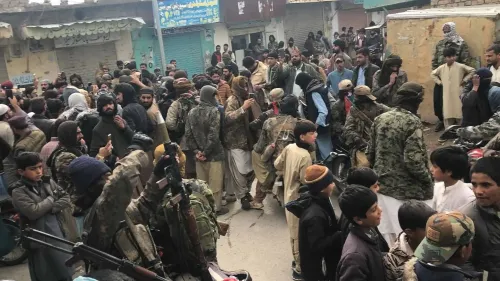
The situation escalated following the BLA's initiation of the second phase of 'Operation Herof' on January 31, during which they claimed to have taken control of Nushki and surrounding regions. The group asserted that they maintained control over the town for six days before concluding the operation.
On Tuesday, Mir Yar Baloch, a leading advocate for Baloch human rights, shared a video on social media platform X showing a Pakistani tank entering the area. He accused the Pakistani forces of launching assaults with tanks, drones, airstrikes, and heavy artillery against Baloch civilians, leading to the destruction of villages in the Ahmedwal region of Nushki.
"These acts of terror and collective punishment are being inflicted upon a community that has overwhelmingly rejected Pakistan’s illegal occupation. Such crimes will never be accepted on Baloch land," Mir posted on X.
He further articulated, "Pakistan has exposed itself as a terrorist entity, having completely lost its legitimacy, authority, and control in Balochistan. Rather than confronting its political, moral, and military failures, the occupiers resort to sheer force. History shows that brute force has never spared Pakistan from disgrace, and it will not succeed now."
In reference to the 1971 Bangladesh Liberation War against Pakistan, he claimed that despite the slaughter of nearly three million Bangladeshi civilians, Pakistani forces persisted in their atrocities without regret.
He indicated that Pakistan only capitulated after its troops began suffering significant casualties due to Indian military intervention.
Mir asserted that a similar cycle is unfolding in Balochistan, alleging that Pakistani forces are taking the lives of Baloch civilians through drone strikes, aerial bombardments, and tank shelling.
Condemning these attacks, he stated, "No tanks, jets, drones, or heavy artillery can ever shatter the spirit or weaken the determination of sixty million Baloch individuals. Occupation is destined to fail. Resistance will persist. Liberation is unavoidable."
Point of View
It is imperative to highlight the ongoing complexities in Balochistan. The rising tensions between state forces and local resistance movements reflect deeper issues of governance and rights. Our coverage remains committed to presenting a balanced view of the situation while emphasizing the need for peaceful resolution and dialogue.
NationPress
29 Jul 2026
Frequently Asked Questions
What sparked the recent military operations in Balochistan?
The military operations were initiated following violent clashes between Pakistani forces and Baloch rebels, leading to heightened security measures in the region.
What is the Baloch Liberation Army?
The Baloch Liberation Army (BLA) is a militant organization seeking independence for Balochistan from Pakistan, advocating for the rights and self-determination of the Baloch people.
What actions have local activists taken in response to the military presence?
Local activists, including Mir Yar Baloch, have condemned the military operations and the imposition of curfews, labeling them as illegal occupations and calling for resistance against oppression.
What historical context is relevant to the current situation?
The ongoing conflict in Balochistan echoes past events, including the 1971 Bangladesh Liberation War, where similar patterns of violence and oppression were observed.
How are civilians affected by the military operations?
Civilians in the affected areas face curfews, destruction of property, and violence, significantly impacting their daily lives and safety.