Pakistan strikes in Afghanistan signal collapse of strategic depth doctrine
Synopsis
Pakistan's military strikes inside Afghanistan — confirmed by UNAMA to have killed civilians in Kunar — are no longer just a counter-terrorism operation. They are the clearest sign yet that Islamabad's doctrine of strategic depth has collapsed: Pakistan is now bombing the Taliban government it once championed, because it can neither control it nor contain the TTP insurgency bleeding into its own territory.
Key Takeaways
UNAMA confirmed civilian deaths — a man, a woman, and a girl — from Pakistani airstrikes in Kunar , Afghanistan , in September .
Pakistan insists its strikes targeted TTP militant hideouts, but the identities of alleged fighters have not been independently verified.
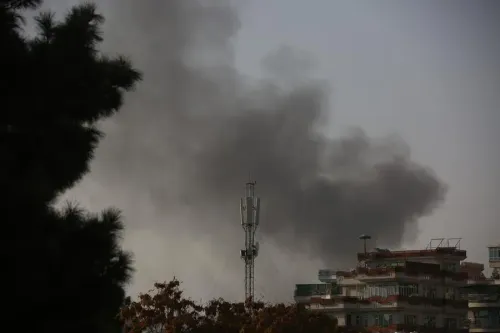
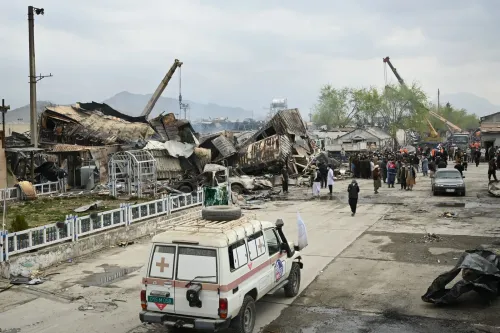
Pakistani military operations have also struck the Omid drug rehabilitation centre in Kabul , according to the report.
Analysts say the strikes reflect the collapse of Pakistan's strategic depth doctrine, as Islamabad has failed to control the Taliban government in Kabul .
The persistent TTP insurgency in Khyber Pakhtunkhwa directly undermines the Pakistani army's claim to be the sole guarantor of national security.
The strikes serve a domestic political purpose — projecting resolve — but have not demonstrably degraded TTP's operational capacity, according to the report.
Pakistan is increasingly resorting to direct military force against targets inside Afghanistan, a development that analysts say reflects Islamabad's inability to either control the Taliban government in Kabul or construct a viable alternative to it. According to a recent analytical report, the shift marks a decisive unravelling of Pakistan's long-held doctrine of strategic depth — the idea that Afghanistan could serve as a compliant buffer and strategic backyard. Pakistan is now, reportedly, seeking to destabilise the very Taliban victory it once actively supported.
Civilian Deaths and Disputed Targets
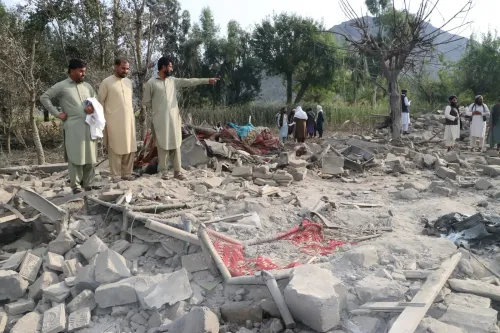
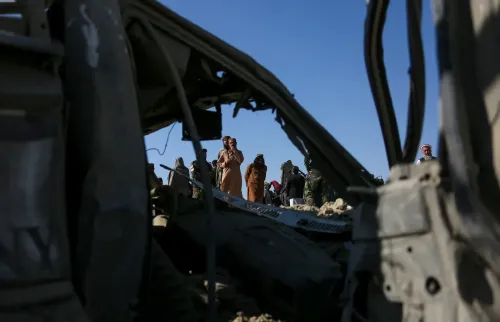
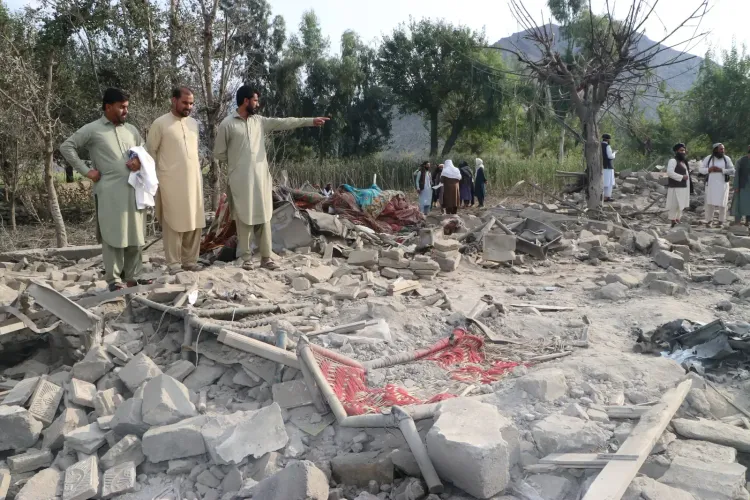
The United Nations Assistance Mission in Afghanistan (UNAMA) has confirmed civilian casualties from Pakistani airstrikes in Afghanistan. In the province of Kunar, the September strikes killed a man, a woman, and a girl, according to the report. Islamabad maintained that its forces had struck militant hideouts and neutralised fighters belonging to the Tehreek-e-Taliban Pakistan (TTP). However, the identities of those alleged fighters have not been independently verified, while the civilian victims have been documented with names, families, and confirmed locations of death.
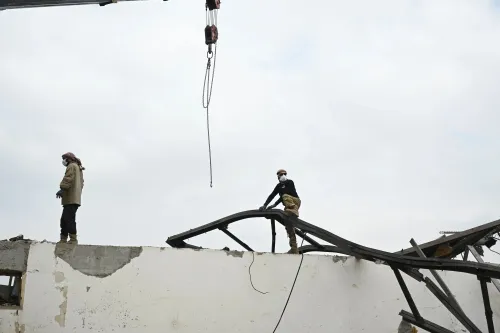
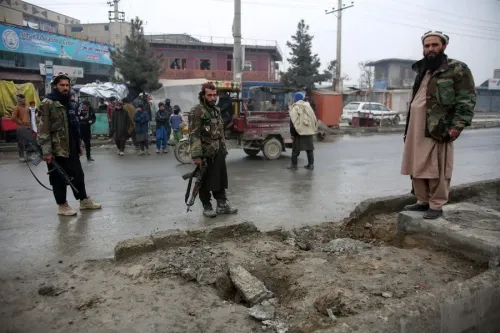
The report noted a persistent and troubling asymmetry: Pakistan's military declares its intended targets, while independent monitors document the actual casualties. The September strikes were not isolated incidents — Pakistani military operations have repeatedly resulted in Afghan civilian deaths, from border provinces to the Omid drug rehabilitation centre in Kabul.
Pakistan's Justification Under Scrutiny
Islamabad has consistently disputed accounts of what its strikes hit, insisting the operations target militants. The report, however, argued that after so many documented civilian deaths, Pakistan cannot continue to treat its stated intention as proof of its actual outcome. 'The question is who was actually hit, and why the evidence for the military's claims remains so much harder to find than the evidence of civilian harm,' the report observed.
It is acknowledged that a strike can kill both civilians and militants simultaneously. But the recurring pattern, critics argue, demands a far higher standard of accountability than Islamabad has so far provided.
The Domestic Political Calculus
The Pakistani army has long justified its outsized role in the country's politics by positioning itself as the sole guarantor of national security. The persistent insurgency in Khyber Pakhtunkhwa, fuelled largely by the TTP, is therefore more than an operational embarrassment — it directly undermines the institution's foundational claim to political authority.
Striking Afghan territory, the report argued, serves a dual domestic purpose: it supplies the public with a visible external adversary, gives ministers the language of resolve, and provides generals with a deflection that avoids accountability for their record against the TTP inside Pakistan. 'The advantage is temporary, which helps explain why the strikes recur,' the report stated. 'If bombing Afghan territory had broken the TTP's operational capacity, Pakistan would not need to keep presenting each new raid as a decisive response to the latest attack at home.'
Strategic Depth in Reverse
The report drew a sharp conclusion about the broader strategic picture: Pakistan's generals are simultaneously fighting a war in Afghanistan — having failed to impose their will on Kabul — and a political battle at home, unable to admit how little control they have achieved over the TTP. Airstrikes, it argued, allow them to pursue both battles at once: punishing an Afghan government that refuses to comply while presenting that punishment to Pakistani audiences as evidence of command and control. 'What they cannot do is make the evidence of their failure disappear,' the report concluded.
This comes amid a broader deterioration in Pakistan-Afghanistan relations since the Taliban takeover in 2021, with Islamabad's expectations of a pliant, friendly government in Kabul having gone largely unmet. The doctrine of strategic depth — a cornerstone of Pakistan's security establishment's thinking for decades — now appears to have inverted, with Afghanistan emerging as a source of strategic liability rather than advantage.
How Islamabad recalibrates its Afghan policy — and whether it can develop instruments of influence beyond military strikes — will likely define the trajectory of this increasingly volatile relationship in the months ahead.
Point of View
Islamabad now finds itself unable to extract compliance from Kabul or suppress the TTP insurgency at home. The strikes are less a coherent counter-terrorism strategy than a performance of authority — calibrated for domestic consumption rather than operational effect. The recurring civilian death toll documented by UNAMA is not a side-effect that can be wished away; it is becoming a durable reputational and diplomatic liability. What mainstream coverage often misses is the domestic dimension: each new strike is also a message to Pakistani audiences that the army remains in command, even as the evidence of strategic failure accumulates.
NationPress
30 Sept 2026
Frequently Asked Questions
What did UNAMA confirm about Pakistani airstrikes in Afghanistan?
UNAMA confirmed civilian deaths resulting from Pakistani airstrikes in Kunar province, Afghanistan, during September — specifically, a man, a woman, and a girl were killed. Pakistan maintained it had struck TTP militant hideouts, but the identities of alleged militant casualties have not been independently established.
What is Pakistan's doctrine of strategic depth and why has it collapsed?
Strategic depth was a long-held Pakistani security doctrine that envisioned Afghanistan as a compliant buffer state, providing Pakistan with strategic space in the event of conflict with India. It has collapsed because the Taliban government in Kabul has refused to act as a Pakistani proxy, and the TTP insurgency — which Pakistan expected the Taliban to suppress — continues to operate from Afghan soil.
Why does Pakistan keep striking Afghanistan if the strikes are not breaking TTP?
According to the analytical report, the strikes serve a dual purpose: punishing an Afghan government that refuses to comply with Pakistani demands, and projecting an image of military resolve to domestic audiences. The report notes that if the strikes had genuinely degraded TTP's operational capacity, Pakistan would not need to keep launching fresh raids after each attack on its own soil.
What is the TTP and why is it a threat to Pakistan?
The Tehreek-e-Taliban Pakistan (TTP) is a militant organisation that has conducted sustained attacks inside Pakistan, particularly in Khyber Pakhtunkhwa. It operates largely from Afghan territory, and its continued insurgency directly challenges the Pakistani army's claim to be the country's primary security guarantor.
Who is affected by the Pakistan-Afghanistan military tensions?
Afghan civilians in border provinces bear the most immediate cost, with UNAMA documenting recurring casualties from Pakistani strikes. Broader consequences affect Pakistan's diplomatic standing, the stability of the Afghanistan-Pakistan border region, and the internal political authority of Pakistan's military establishment.