Pakistan's Afghan offensive: Military strikes mask domestic collapse
Synopsis
Pakistan's latest airstrikes and ground operations inside Afghanistan come as Islamabad faces a 42% poverty rate, a stalled IMF bailout, an entrenched military government, and active secessionist insurgencies. The Afghan offensive, analysts argue, is less a counterterrorism strategy than a desperate attempt to project strength outward while the state fragments from within.
Key Takeaways
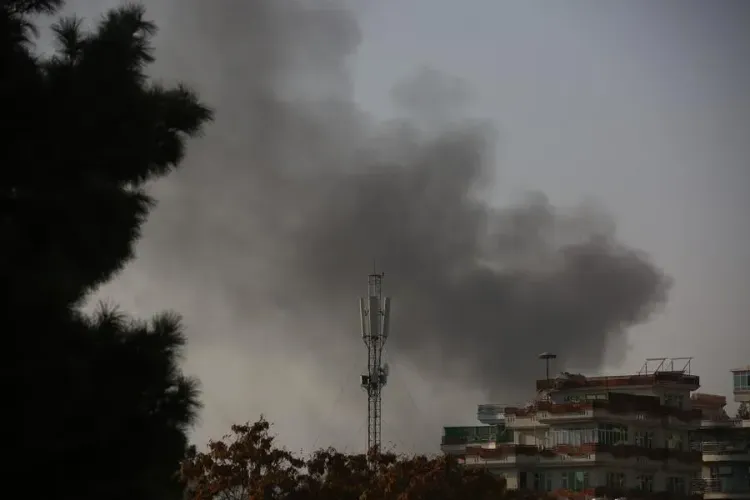
Pakistan launched fresh airstrikes and ground operations along the Afghanistan border on 29 June , with Kabul reporting civilian casualties including women and children.
The military campaign against Afghanistan has escalated since October 2025 , targeting Kabul , Kandahar , Jalalabad , and Paktika .
A Qatar-Turkey brokered ceasefire collapsed within days; Pakistan reportedly declared 'open war' by February 2026 .
Pakistan's poverty rate reportedly stands at 42 per cent , with IMF bailout talks currently stalled.
The 27th Constitutional Amendment, 2025 entrenched military supremacy, sidelining civilian institutions and deepening a legitimacy crisis.
The Baloch Liberation Army (BLA) continues attacks on CPEC projects, while autonomy demands simmer in Sindh and PoK .
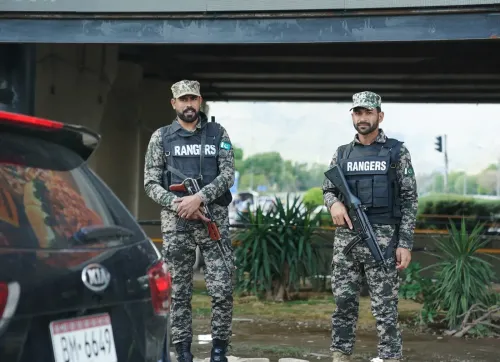
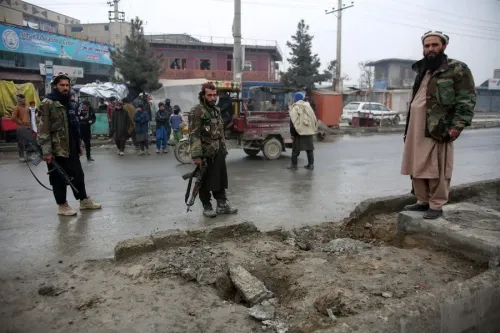
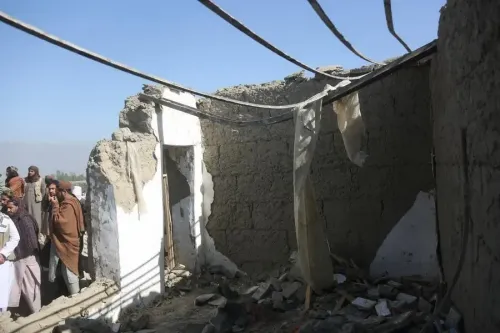
Pakistan security forces on Sunday, 29 June carried out fresh ground operations along the Afghanistan border, accompanied by airstrikes deeper inside Afghan territory, according to reports. Islamabad framed the assault as a counterterrorism response, but Kabul's Taliban government said the strikes killed and wounded dozens of civilians, including women and children.
Escalating Military Campaign Since October 2025
Pakistan has been intensifying military operations against Afghanistan since October 2025, striking cities including Kabul, Kandahar, Jalalabad, and Paktika. Islamabad characterises these as counterterrorism operations targeting Tehrik-e-Taliban Pakistan (TTP) insurgents allegedly sheltered on Afghan soil.
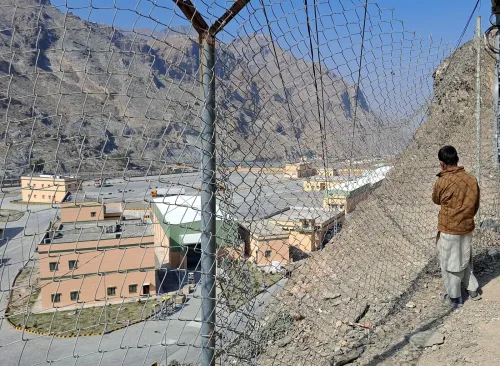
Kabul has consistently denounced the strikes as violations of sovereignty, reporting civilian casualties and accusing Pakistan of using Afghanistan as a scapegoat for its own internal failures. Border clashes across Khyber Pakhtunkhwa, Bajaur, Kurram, and Balochistan have left dozens dead, while closures of key crossings — including Torkham and Chaman — disrupted trade and humanitarian flows for approximately eight months.
A brief ceasefire brokered by Qatar and Turkey in mid-October collapsed within days. By February 2026, Pakistan reportedly declared 'open war' against its neighbour. Rather than decisively weakening the Taliban, the campaign has deepened regional hostility and underscored Islamabad's reliance on external aggression, critics argue, to mask a worsening domestic crisis.
Political and Constitutional Crisis at Home
Domestically, Pakistan's 27th Constitutional Amendment, 2025, has entrenched military supremacy by strengthening the army chief's role and sidelining civilian institutions. The incarceration of former Prime Minister Imran Khan and the systematic marginalisation of his Pakistan Tehreek-e-Insaf (PTI) party have deepened a legitimacy crisis that opposition alliances continue to challenge.
Demands for constitutional supremacy from opposition groups have been met with mass arrests and a shrinking democratic space, according to reports. Governance in border regions is increasingly managed through military administration rather than civilian institutions, leaving Pakistan, analysts argue, structurally unable to address poverty, education, or healthcare crises.
Economic Fragility and IMF Stalemate
Pakistan's economic situation is dire. Poverty reportedly stands at 42 per cent, and negotiations with the International Monetary Fund (IMF) for a bailout are currently stalled. Islamabad is simultaneously seeking financial assistance from both China and the United States, reflecting the depth of the fiscal crisis.
Resources continue to be diverted to defence spending, perpetuating a cycle of economic fragility. The China-Pakistan Economic Corridor (CPEC) — a flagship economic lifeline — faces disruption from the Baloch Liberation Army (BLA), which continues insurgent attacks targeting Chinese-funded projects in Balochistan.
Secessionist Pressures and Internal Fragmentation
Beyond Balochistan, demands for autonomy or independence reportedly simmer in Sindh and Pakistan-occupied Jammu and Kashmir (PoK), fuelled by what critics describe as exploitation and neglect. Secessionist movements, many allegedly linked to militant elements, continue to challenge the state's territorial cohesion.
Pakistan's military establishment, headquartered in the garrison town of Rawalpindi, effectively defines foreign policy, security posture, and economic priorities. Civilian institutions, lacking both legitimacy and capacity, are left unable to deliver governance outcomes.
The Strategic Calculus Behind the Afghan Offensive
Analysts argue that blaming Kabul for harbouring militants serves as a calculated bid to redirect public anger away from economic collapse and political repression. For the Pakistan Army, external conflict provides justification for its domestic dominance, presenting the institution as the guardian of national sovereignty.
Notably, Pakistan played a central role in nurturing the Taliban and its predecessor, the Mujahideen militia — originally mobilised against Soviet forces in Afghanistan. The reversal, with Kabul now cast as the adversary, reflects a strategic contradiction that critics say has created a formidable and uncontrollable foe.
Pakistan's war against Afghanistan, observers contend, is less about defeating the Taliban than about masking internal failures. Afghanistan, though militarily weaker, has demonstrated resilience across decades of conflict. For Islamabad, the deepest threat, analysts warn, remains internal — not external.
Point of View
A stalled IMF bailout, a constitutionally entrenched army, and active secessionist insurgencies cannot bomb its way to stability. The Taliban, an adversary of Pakistan's own making, has proven far harder to dislodge than Rawalpindi calculated. What mainstream coverage underweights is the CPEC dimension: BLA attacks on Chinese infrastructure are quietly eroding Pakistan's most consequential economic relationship, which makes the Afghan distraction doubly costly. The greatest risk is not that the Afghan offensive fails — it is that it accelerates the internal fragmentation it was designed to conceal.
NationPress
28 Sept 2026
Frequently Asked Questions
Why is Pakistan conducting military strikes inside Afghanistan?
Pakistan says the strikes target Tehrik-e-Taliban Pakistan (TTP) militants it accuses the Afghan Taliban government of sheltering. The campaign has escalated since October 2025, with airstrikes hitting Kabul, Kandahar, Jalalabad, and Paktika. Kabul denies harbouring TTP fighters and has condemned the strikes as violations of sovereignty.
What civilian impact have the Pakistan-Afghanistan strikes caused?
Afghanistan's Taliban government has reported dozens of civilian deaths and injuries, including women and children, from the latest round of strikes. Border clashes across Khyber Pakhtunkhwa, Bajaur, Kurram, and Balochistan have also left dozens dead, while closures of Torkham and Chaman crossings disrupted trade and humanitarian flows for about eight months.
How serious is Pakistan's domestic economic crisis?
Poverty in Pakistan reportedly stands at 42 per cent, and IMF bailout negotiations are currently stalled. Islamabad is simultaneously seeking financial support from both China and the United States. Defence spending continues to absorb resources that analysts say should be directed at poverty, education, and healthcare.
What is the 27th Constitutional Amendment and why does it matter?
Pakistan's 27th Constitutional Amendment, passed in 2025, strengthened the army chief's role and sidelined civilian institutions, effectively entrenching military supremacy in governance. Critics say it has deepened a legitimacy crisis alongside the incarceration of former PM Imran Khan and the marginalisation of his PTI party.
What are the secessionist threats Pakistan faces internally?
The Baloch Liberation Army (BLA) continues insurgent attacks in Balochistan, frequently targeting Chinese-funded CPEC projects. Demands for autonomy or independence also reportedly simmer in Sindh and Pakistan-occupied Jammu and Kashmir (PoK), fuelled by allegations of exploitation and neglect.