Pakistan's hepatitis C, HIV surge raises global public health alarm: Report
Synopsis
Pakistan's disease burden is no longer just a domestic emergency. With the world's largest share of hepatitis C patients, a 200% rise in HIV infections over 15 years, and a mental health system serving just 5% of those in need, a new report warns the country is a 'time bomb' for global public health — at a moment when four-fifths of its HIV-positive population don't even know they are infected.
Key Takeaways
Pakistan accounts for one-fifth of all hepatitis C patients globally, the highest share of any country.
New HIV infections in Pakistan rose 200 per cent over the past 15 years , with total cases crossing 4.17 lakh in 2026 .
Approximately 3,900 HIV-positive children were registered in 18 months ; nearly four-fifths of all HIV carriers are unaware of their status.
Pakistan's health ministry data puts the combined burden of mental disorders, hepatitis B and C, and HIV at 45 million people.
Only 5 per cent of the 32 million people needing mental health care have access, with just 1,050 psychiatrists in the entire country.
The Asian Lite report questioned the credibility of the government's national strategy, citing the poor state of Pakistan's healthcare infrastructure.
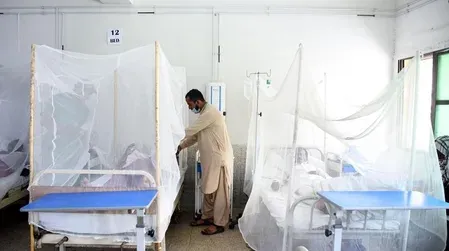
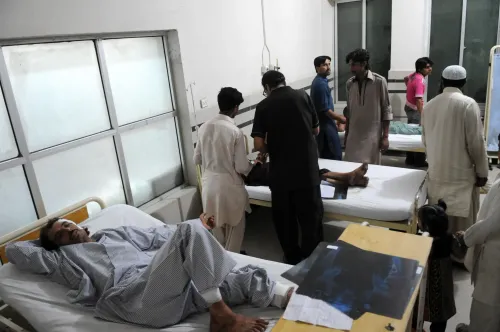
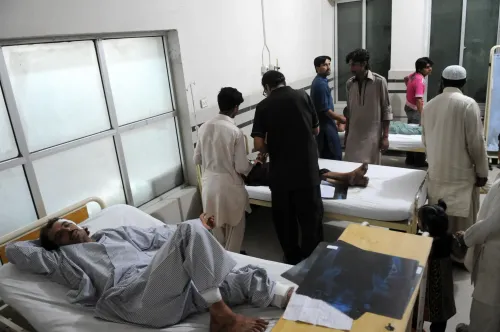
Pakistan, grappling with one of the world's most acute communicable disease burdens, is increasingly being flagged as a global public health concern, according to a report by Asian Lite. The country accounts for the highest hepatitis C infections worldwide, while simultaneously battling persistent tuberculosis, malaria, rising HIV cases, and endemic polio — a combination that experts warn extends well beyond its borders.
Hepatitis C: A Silent Epidemic
One in five hepatitis C patients globally is living in Pakistan, with a large proportion entirely unaware of their infection. The report attributes the surge to inadequate early diagnosis and treatment infrastructure, noting that over 95 per cent of hepatitis C cases are curable, yet millions remain untreated.
Unsafe medical practices have been flagged as a primary driver — including the reuse of non-sterile syringes, improperly sterilised equipment, and unscreened blood transfusions. Pakistan's own health ministry data indicates that 45 million people in the country are affected by mental disorders, hepatitis B and C, and HIV combined.
HIV Cases Tripling Against the Global Trend
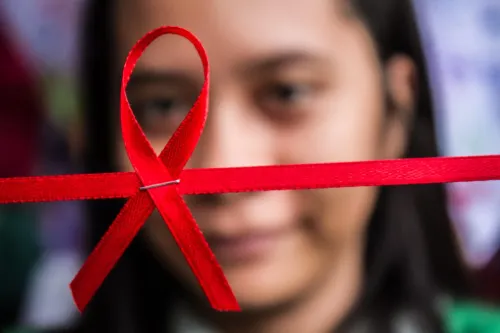
Pakistan stands out as one of the rare countries where new HIV infections are rising sharply, even as global infection rates decline. New HIV infections surged by 200 per cent over the past 15 years, with the number of HIV-positive individuals crossing 4.17 lakh in 2026. Notably, approximately 3,900 HIV-positive children were registered in the past 18 months alone.
The report attributes this trajectory primarily to unsafe medical injections, unscreened blood transfusions, and untrained healthcare providers. Critically, nearly four-fifths of people living with HIV in Pakistan are reportedly unaware of their status, and only 16 per cent have undergone treatment — figures that underscore the scale of the undetected burden.
'Pakistan's HIV crisis should not be viewed as a domestic public health problem but as a time bomb posing risk to the entire world,' the report stated.
Mental Health: Systemic Neglect at Scale
Beyond infectious diseases, Pakistan's mental health infrastructure is critically under-resourced. While over 32 million people require treatment for mental health conditions, only 5 per cent have access to relevant services. The country has just 1,050 psychiatrists — translating to 0.19 psychiatrists per 1 lakh people — one of the lowest ratios in the region.
Questions Over Government Strategy
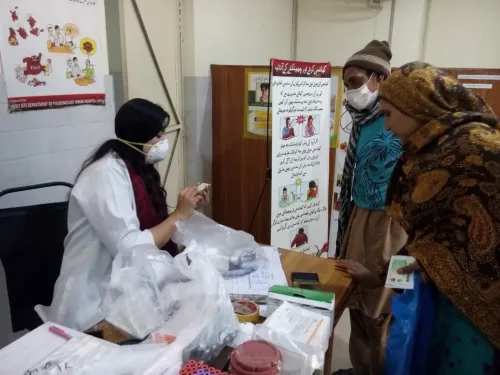
The Asian Lite report questioned Islamabad's national strategy to address these compounding crises. It argued that pledged measures — including free screening, diagnosis, treatment, public awareness campaigns, and continuous monitoring — are unlikely to materialise given the severely strained state of Pakistan's healthcare system. Critics contend that the government has repeatedly overlooked the inadequacy of testing and treatment facilities nationwide.
As global health bodies continue to monitor cross-border disease vectors, the trajectory of Pakistan's communicable disease burden is likely to remain a focal point for regional and international health policy in the months ahead.
Point of View
Where syringes are routinely reused, and where hepatitis C spreads because treatment infrastructure barely exists is a reservoir risk for neighbouring countries and beyond. India, sharing a long border and significant cross-border movement, has a direct stake in this trajectory. What the report does not fully interrogate is the role of international health funding — and its withdrawal — in accelerating this collapse. The accountability question cuts both ways: the Pakistani state has failed its citizens, but global health architecture has also failed to treat Pakistan's outbreak as the shared threat the data clearly indicates it is.
NationPress
17 Nov 2026
Frequently Asked Questions
Why does Pakistan have the world's highest hepatitis C infections?
Pakistan accounts for one-fifth of all hepatitis C patients globally, driven by unsafe medical practices including the reuse of non-sterile syringes, improperly sterilised equipment, and unscreened blood transfusions. Inadequate early diagnosis and treatment infrastructure have allowed the epidemic to persist, even though over 95 per cent of hepatitis C cases are curable.
How much have HIV cases risen in Pakistan?
New HIV infections in Pakistan rose 200 per cent over the past 15 years, with the total number of HIV-positive individuals crossing 4.17 lakh in 2026. Around 3,900 HIV-positive children were registered in the past 18 months alone, and nearly four-fifths of those infected are reportedly unaware of their status.
Why is Pakistan's HIV crisis considered a global risk?
The Asian Lite report describes Pakistan's HIV situation as a 'time bomb posing risk to the entire world,' because only 16 per cent of those infected have undergone treatment and unsafe medical practices continue unchecked. Pakistan is one of the few countries where new HIV infections are rising significantly against a global downward trend.
What is the state of mental health care in Pakistan?
Pakistan has over 32 million people requiring mental health treatment, but only 5 per cent have access to relevant services. The country has just 1,050 psychiatrists — equivalent to 0.19 psychiatrists per 1 lakh people — making it one of the most under-resourced mental health systems in the region.
Is Pakistan's government addressing these health challenges?
Pakistan has outlined a national strategy involving free screening, diagnosis, treatment, and public awareness, but the Asian Lite report questioned its viability, arguing the severely strained healthcare system makes implementation unlikely. Critics argue the government has consistently overlooked critical gaps in testing and treatment facilities.