Why Are Patients in Pakistan Suffering Due to a Shortage of Medicines and Diagnostic Facilities?
Synopsis
In Pakistan's Sindh province, government hospitals are in crisis, facing severe shortages of medicines and diagnostic services. This situation is forcing patients into costly private healthcare. The alarming rise of HIV cases further exposes the systemic failures within the healthcare system. Explore the dire implications of these challenges on public health.
Key Takeaways
Government hospitals in Hyderabad face severe medicine shortages .
Patients are compelled to seek care in private hospitals , incurring high costs.
The HIV crisis in Pakistan highlights systemic healthcare failures.
Over 600,000 fake doctors are reportedly practicing in the country.
Urgent action is needed to address these pressing healthcare issues .
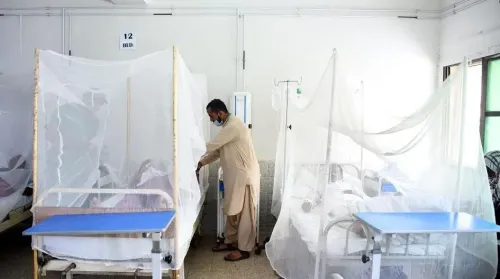
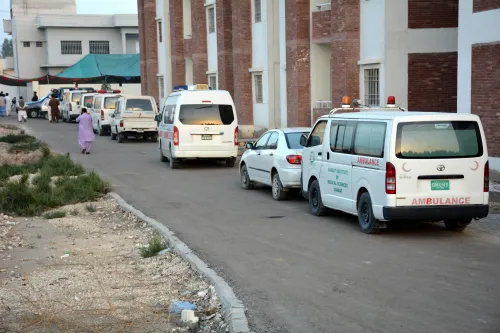
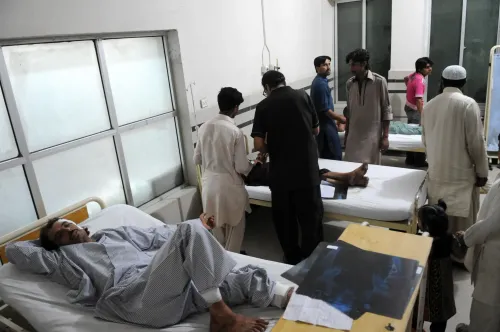
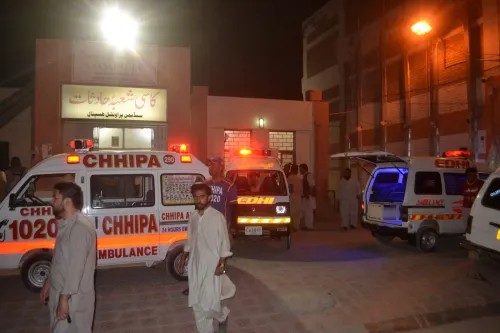
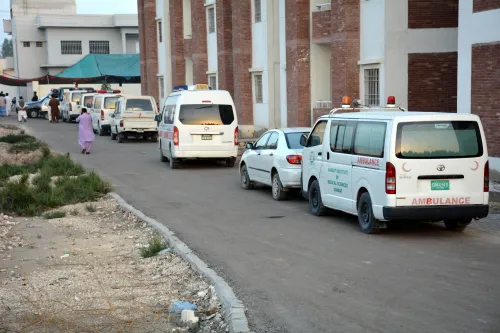
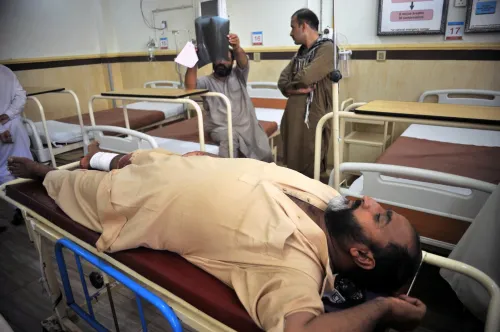
Islamabad, Dec 24 (NationPress) Government hospitals in Hyderabad, situated in Pakistan's Sindh province, are currently facing significant challenges in delivering even basic healthcare services to patients. This predicament stems from a severe shortage of medicines, inadequate diagnostic facilities, and malfunctioning medical equipment, primarily attributed to alleged negligence by health department officials, as reported by local media on Wednesday.
Reports indicate that both the Civil Hospital Hyderabad and numerous taluka hospitals lack essential medicines. Patients are unable to perform routine laboratory tests at these taluka facilities due to missing basic equipment, forcing them to seek treatment at private hospitals and laboratories, where they incur costs running into thousands of rupees for initial check-ups, according to the Pakistani daily, The Express Tribune.
The situation has deteriorated to a point where the trauma center on Hala Naka Road remains non-operational, adding to the strain on Civil Hospital Hyderabad, which already sees a high influx of patients from across Sindh. Unfortunately, Civil Hospital itself is hampered by non-functional equipment and insufficient treatment options.
Currently, Civil Hospital Hyderabad boasts only one operational MRI and one CT scan machine, while other diagnostic tools have been out of service for months. The conditions at taluka hospitals in Hyderabad are reportedly even worse, as facilities such as Sindh Government Bhittai Hospital Latifabad, Government Hospital Qasimabad, Kohsar Hospital Latifabad, Government Hospital Pretabad, and Government Hospital Hali Road, along with various basic health units, lack both testing capabilities and essential medicines, as detailed by the newspaper.
Earlier this month, another report revealed that Pakistan, facing a sharp rise in HIV cases, ranks second among nations in the Asia-Pacific region. The escalating HIV crisis in Pakistan is not just a medical emergency, but also a reflection of institutional decay, showcasing the repercussions of years of neglect, failure to enforce basic health standards, and the human cost of corruption.
Shocking statistics highlight the use of contaminated syringes, unregulated blood transfusions, unqualified doctors, and violations of medical protocols. Health officials have recorded 3,995 registered HIV-positive children in Sindh, a figure that only includes documented cases, according to a report by European Times. Recently, the Health Minister of Sindh was informed about an 'extremely alarming' spread of HIV infections, particularly among children.
According to data, over 600,000 fraudulent doctors operate in Pakistan, with 40% based in Karachi. This statistic highlights the worsening medical malpractice crisis in the country. With inadequate oversight, these impostors operate unchecked, reusing syringes, mishandling blood, and conducting unsafe procedures that amplify the spread of HIV.
The limited number of HIV treatment centers in Pakistan are plagued by shortages of testing kits, antiretroviral medicines, and qualified staff, leading to delays in diagnosis and treatment. Patients often find themselves moving from one hospital to another in search of basic care.
'Pakistan’s escalating HIV crisis transcends a mere medical emergency; it is a stark representation of institutional decay. It reveals the consequences of years of neglect, the failure to uphold fundamental health standards, and the human cost of corruption. The harrowing reality of nearly 4,000 HIV-positive children in Sindh, the epidemic of fraudulent doctors, and the routine employment of contaminated medical tools all serve as a damning indictment of the state’s negligence. This narrative is not just about a virus spreading in silence; it is a saga of systemic failure that facilitates the virus’s proliferation,' the European Times report stated.
Point of View
I stand firmly with the nation, emphasizing that the ongoing healthcare crisis in Pakistan must be addressed with urgency. The alarming shortages of medicines and diagnostic tools in government hospitals pose a severe threat to public health. It is imperative that the authorities take immediate action to rectify these issues and ensure that every citizen has access to necessary medical care.
NationPress
23 Sept 2026
Frequently Asked Questions
What is causing the shortage of medicines in Pakistani hospitals?
The shortage is primarily due to alleged poor oversight by health department officials, leading to insufficient supply chains.
How has the HIV crisis impacted public health in Pakistan?
The sharp increase in HIV cases reflects systemic failures in healthcare, including unregulated practices and inadequate treatment facilities.
What are the consequences of relying on private healthcare in Pakistan?
Patients are forced to pay exorbitant fees for basic treatments, which can lead to financial strain and limited access to necessary care.
How many fake doctors are practicing in Pakistan?
There are over 600,000 fake doctors in Pakistan, with a significant proportion operating in Karachi, contributing to the healthcare crisis.
What steps can be taken to improve healthcare in Pakistan?
Improving oversight, increasing the supply of essential medicines, and ensuring proper training for healthcare professionals are vital steps.