HIV outbreak in Pakistan: 78 children infected at Sindh hospital over syringe reuse
Synopsis
At least 78 children have reportedly contracted HIV at a government hospital in Pakistan's Sindh province over alleged syringe reuse — and a court petition puts the figure above 200. With families claiming nine deaths and officials yet to confirm any, the Sindh High Court has stepped in. This is Pakistan's second major paediatric HIV hospital outbreak since Ratodero 2019, raising hard questions about whether anything was fixed after that crisis.
Key Takeaways
At least 78 children reportedly contracted HIV at Kulsoom Bai Valika Hospital in Pakistan's Sindh province , allegedly due to reuse of disposable syringes.
A petition before the Sindh High Court alleges more than 200 children were infected; families claim at least 9 deaths , unconfirmed by officials.
329 of 894 HIV cases recorded in Sindh between January and March 2024 were among children, according to the province's health department.
The outbreak follows a near-identical crisis in Ratodero, Sindh in 2019 , where over 800 children tested positive — with the WHO attributing it to unsafe injection practices.
The Sindh High Court has directed the government to submit a report explaining the cause of infections within two weeks .
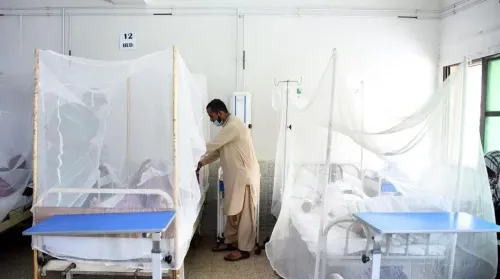
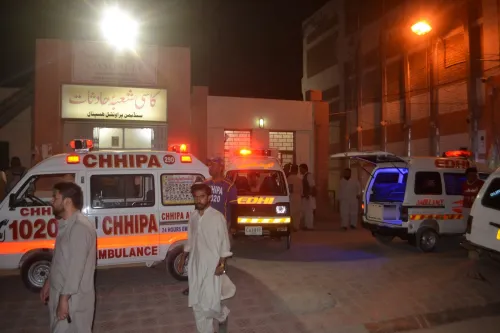
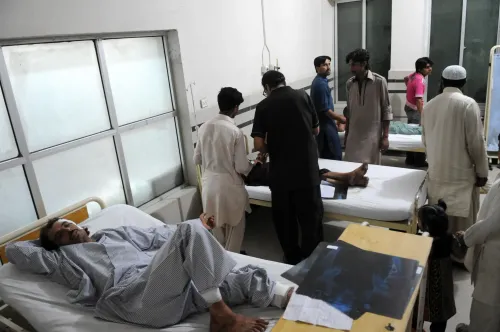
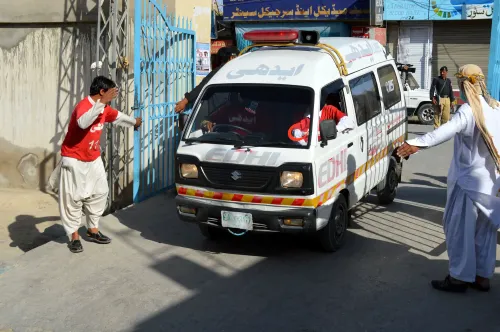
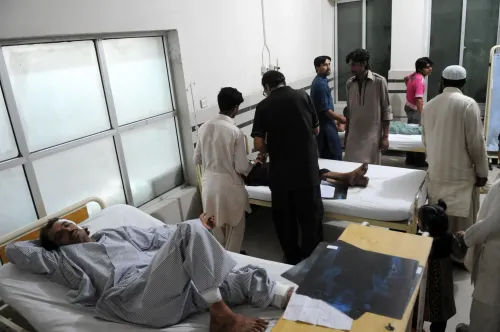
At least 78 children have reportedly contracted HIV at Kulsoom Bai Valika Hospital, a government-run facility in Pakistan's Sindh province, amid allegations that disposable syringes were reused during treatment, according to a report by UK-based newspaper The Telegraph. The outbreak has triggered months of family protests and a petition before the Sindh High Court, which has directed authorities to explain the cause of infections within two weeks.
Scale of the Outbreak
While The Telegraph report cites at least 78 confirmed child infections, a petition filed before the Sindh High Court alleges a far wider toll — claiming that more than 200 children contracted HIV after disposable syringes were allegedly reused at the hospital. Families of affected children have further claimed that at least nine children have died, though officials have not confirmed those figures.
The petition characterises the reuse of disposable syringes as criminal negligence and accuses authorities of failing both to investigate the incident and to ensure proper treatment for affected children. The outbreak was first reported in November last year.
Families Approach the Courts
Months of protests by affected families preceded the legal intervention. Families allege that authorities consistently refused to order an independent inquiry into the outbreak, prompting them to approach the Sindh High Court. The court has now directed the government to submit a detailed report within two weeks explaining how the infections occurred.
Notably, the families' petition argues that the health system's failure to act amounts to institutional negligence — not merely an administrative lapse.
Broader Paediatric HIV Crisis in Sindh
The hospital outbreak is set against a deeply troubling regional trend. Citing Sindh's health department, The Telegraph reported that 329 of the 894 HIV cases recorded in the province between January and March this year were among children — a proportion that alarmed public health observers.
This comes amid growing concern over paediatric HIV infections across Pakistan, where healthcare-associated outbreaks have recurred with troubling regularity.
Pakistan's History of Healthcare-Linked HIV Outbreaks
The current outbreak is not an isolated incident. Pakistan witnessed a similar crisis in 2019 in Ratodero, Sindh, where hundreds of children were infected after contaminated needles were allegedly reused. A subsequent investigation by the World Health Organisation (WHO) identified unsafe injection practices as the primary cause.
According to the report, by June 2019, more than 800 children had tested positive in the town of 300,000. 'By June that year, more than 800 children had tested positive in the town of 300,000. The town then slipped out of the global headlines as the world wrestled with the Covid-19 pandemic. But the cases have kept coming,' the report noted.
The recurrence of such outbreaks raises urgent questions about whether systemic reforms were ever implemented following the Ratodero crisis — and whether accountability mechanisms in Pakistan's public health infrastructure are adequate to prevent further tragedies.
Point of View
Where the WHO confirmed unsafe injections infected hundreds of children, should have triggered systemic reform of syringe protocols across public hospitals. That another government facility in the same province is now at the centre of near-identical allegations suggests those reforms either did not happen or were not enforced. The Sindh High Court's intervention is necessary, but judicial pressure alone cannot substitute for a functional public health accountability system. Until Pakistan institutionalises mandatory infection-control audits with independent oversight, these outbreaks will keep coming — and keep fading from headlines before justice arrives.
NationPress
7 Oct 2026
Frequently Asked Questions
How many children were infected with HIV at the Pakistan hospital?
At least 78 children reportedly contracted HIV at Kulsoom Bai Valika Hospital in Sindh, according to a report by The Telegraph. A petition filed before the Sindh High Court alleges the number exceeds 200.
What caused the HIV outbreak at Kulsoom Bai Valika Hospital?
Families and the court petition allege that disposable syringes were reused during treatment at the government-run hospital, leading to the infections. Officials have not yet confirmed the cause; the Sindh High Court has directed the government to submit an explanatory report within two weeks.
Have any children died as a result of the outbreak?
Families of affected children claim that at least nine children have died, but Pakistani officials have not confirmed those figures as of the latest reports.
Has Pakistan faced similar HIV outbreaks before?
Yes. In 2019, hundreds of children in Ratodero, Sindh, were infected with HIV after contaminated needles were allegedly reused. A WHO investigation identified unsafe injection practices as the primary cause. By June 2019, more than 800 children in the town of 300,000 had tested positive.
What action has been taken by authorities?
The Sindh High Court has directed the government to submit a report within two weeks explaining the cause of the infections, after families alleged that authorities refused to order an independent inquiry despite months of protests.