Pakistan's land corridor plan through Balochistan sparks alienation fears
Synopsis
Pakistan dressed up a geopolitical play as a trade measure — and Balochistan is, once again, the price. The April 2026 Transit Order opens six land routes to Iran, every one of them cutting through a province that has never been asked for consent. If Islamabad cannot move beyond checkpoints and convoys to genuine political inclusion, the corridor risks becoming the latest flashpoint in one of South Asia's most combustible fault lines.
Key Takeaways
Pakistan's Ministry of Commerce issued the Transit of Goods through Territory of Pakistan Order 2026 on 25 April 2026 , opening six land routes to Iran .
Every major route under the order runs through Balochistan , according to an analysis by Stringer Asia .
There is no clear evidence that Baloch communities were consulted as stakeholders before the order was issued.
Critics warn that economic benefits will accrue to Islamabad , the military establishment, and politically connected groups, while security and social burdens remain local.
The report flags the corridors as potential 'instruments of control,' warning that militarised security cannot substitute for political legitimacy.
The move follows a long pattern of Balochistan being treated as a strategic asset — central to CPEC and Gwadar port — while remaining marginalised on rights and services.
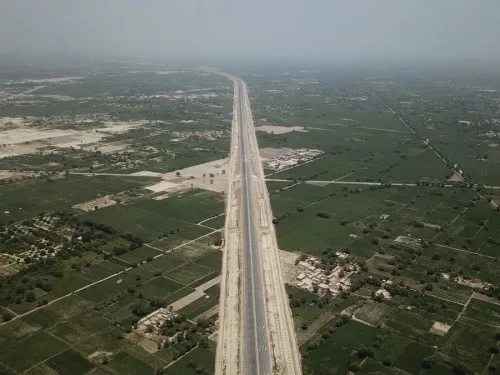
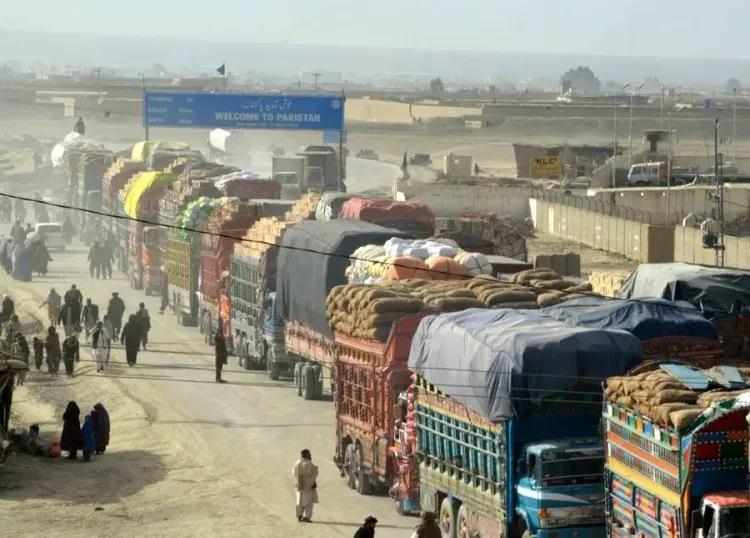
Pakistan's decision to open six land routes to Iran through Balochistan is drawing sharp criticism, with analysts warning that the move — framed by Islamabad as a routine trade measure — is, in reality, a geopolitical manoeuvre that once again treats the province as a corridor rather than a homeland. The concerns follow the Ministry of Commerce's issuance of the Transit of Goods through Territory of Pakistan Order 2026 on 25 April 2026, which came into immediate effect.
What the Order Does
The order formalises the overland movement of third-country cargo — goods not originating in Pakistan — from Pakistani ports to Iran by road. The timing is significant: with maritime routes under mounting pressure due to regional tensions and restrictions around the Strait of Hormuz, Islamabad has positioned itself as an alternative land-based transit hub. According to a detailed analysis by Stringer Asia, every significant route identified under the order runs through Balochistan.
Balochistan's Paradoxical Role
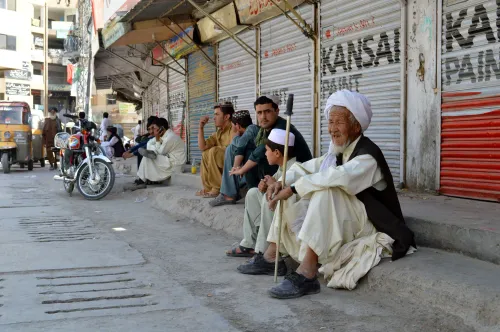
Balochistan has long occupied what observers describe as a 'paradoxical place' in Pakistan's national imagination — dismissed as remote when its people demand rights, yet treated as indispensable when strategic interests are at stake. The province is routinely sidelined in debates over basic services and political autonomy, yet it becomes central to discussions on Gwadar port, the China-Pakistan Economic Corridor (CPEC), and regional connectivity. Critics argue this latest corridor plan follows the same pattern.
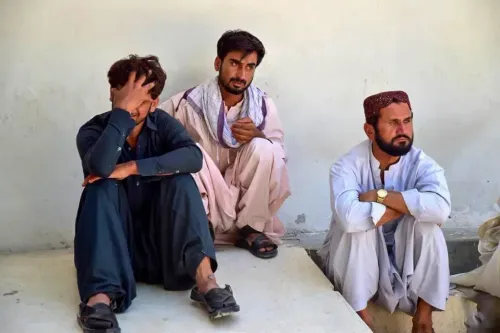
According to the Stringer Asia report, there is no clear evidence that the people of Balochistan were included as stakeholders in formulating the 2026 Transit Order. The corridors, the report notes, pass through Baloch towns and roads, expose local communities to greater militarisation, and amplify the extractive character of existing infrastructure — all without a commensurate share of the economic benefits flowing to the province.
Who Bears the Burden
'The benefits will likely flow upward — to Islamabad, the military establishment, transport contractors, customs networks, politically connected business groups and external actors. The burdens will remain local,' the report stated. It further warned that the land routes must be understood not merely as trade corridors but as 'instruments of control,' cautioning that no corridor can remain stable if the communities living along it perceive it as 'another form of occupation.'
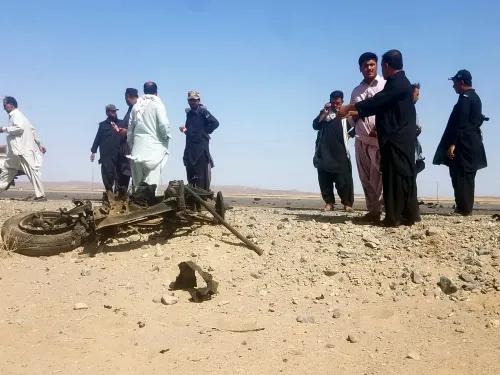
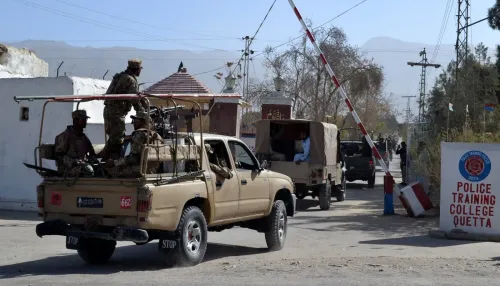
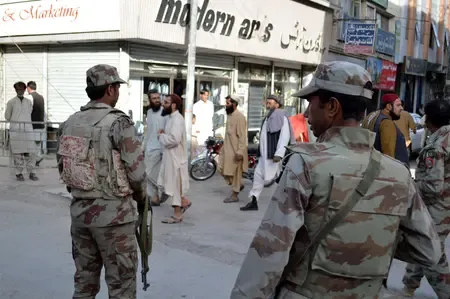
This comes amid a long-running pattern in which Pakistani authorities have responded to security challenges in Balochistan with increased convoys, checkpoints, paramilitary deployments, and intelligence operations. Critics argue that security imposed from above cannot substitute for political legitimacy or genuine consent.
Governance Failures and the Road Ahead
The report highlights what it characterises as deep governance failures and growing political alienation in Balochistan. Each new layer of militarisation, it argues, risks reinforcing the Baloch perception that their homeland is being converted into a guarded passageway for the benefit of others. Islamabad has not publicly addressed the question of local stakeholder consultation or benefit-sharing arrangements linked to the new transit order. Whether the corridor plan accelerates economic integration or deepens resentment in Balochistan will depend, analysts suggest, on whether Islamabad moves beyond security management toward meaningful political engagement with the province.
Point of View
Gwadar, and now the Iran corridor — is consistent enough to be called a doctrine. What is missing is any evidence that Islamabad has learned from the blowback each previous iteration generated. Framing militarised transit as 'trade facilitation' does not resolve the underlying political deficit; it compounds it. The real risk is not a convoy attack — it is that the corridor accelerates the very alienation that makes Balochistan ungovernable for Islamabad in the long run.
NationPress
20 Sept 2026
Frequently Asked Questions
What is Pakistan's Transit of Goods through Territory of Pakistan Order 2026?
It is an order issued by Pakistan's Ministry of Commerce on 25 April 2026 that formalises the movement of third-country cargo from Pakistani ports to Iran by road. The order came into immediate effect and identifies six land routes, all of which run through Balochistan.
Why is the land corridor plan controversial for Balochistan?
Analysts and the Stringer Asia report argue that the corridors pass through Baloch towns without local consent, increase militarisation, and channel economic benefits to Islamabad and politically connected groups while leaving security and social burdens on local communities. Critics see it as another instance of Balochistan being used as a strategic asset rather than treated as a homeland.
How does this relate to CPEC and Gwadar?
Balochistan is already central to the China-Pakistan Economic Corridor (CPEC) and the Gwadar port project. The new Iran transit corridor follows the same template — leveraging the province's geography for Pakistan's strategic and economic goals — deepening concerns about a pattern of extraction without political inclusion.
Were Baloch communities consulted before the order was issued?
According to the Stringer Asia report, there is no clear evidence that the people of Balochistan were included as stakeholders in the decision. Islamabad has not publicly addressed the question of local consultation or benefit-sharing linked to the 2026 Transit Order.
What do analysts say about the security implications?
Analysts warn that Pakistan's habitual response — deploying convoys, checkpoints, and paramilitary forces — cannot create legitimacy in an already alienated population. The report cautions that each new layer of militarisation risks reinforcing Baloch perceptions that their homeland is being converted into a guarded passageway for others' benefit.