Pakistan's US-Iran mediation bid collapses as Iran rejects Islamabad's role
Synopsis
Pakistan rode in on a diplomatic chariot to broker a US-Iran deal — only to be publicly humiliated. Iran has rejected Islamabad's neutrality, an Iranian MP claims Pakistan's tweets were written by Americans, and Washington has quietly shifted to Qatar. The bubble Pakistan inflated around its mediator role has now decisively burst.
Key Takeaways
Pakistan's bid to mediate between the US and Iran has collapsed after Iran publicly rejected Islamabad's credibility as a neutral intermediary.
Washington has reportedly shifted diplomatic engagement toward Qatar , further sidelining Pakistan.
Iranian parliamentarian Mohsen Zanganeh alleged that Pakistan was acting on US instructions, claiming 'even their tweet was written by the Americans.' Iran reportedly urged Pakistan to resolve its own conflict with Afghanistan , and offered to help mediate — a pointed rebuke of Islamabad's self-styled peacemaker image.
The episode raises broader questions about Pakistan's diplomatic capabilities amid its ongoing domestic political and economic crises.
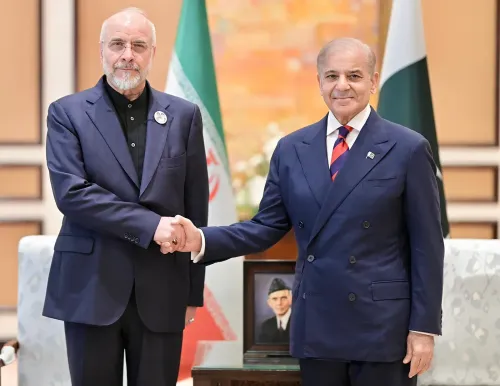
Pakistan's bid to position itself as an indispensable diplomatic bridge between Washington and Tehran has collapsed, with Iran publicly signalling that it does not regard Islamabad as a credible or necessary intermediary, according to a report published by leading Sri Lankan newspaper Daily Mirror. The unravelling marks a significant diplomatic setback for Prime Minister Shehbaz Sharif's government, which had staked considerable prestige on projecting Pakistan as a neutral peacemaker in one of the world's most consequential geopolitical disputes.
How the Diplomatic Balloon Burst
According to the Daily Mirror report, the initial euphoria in Islamabad over its self-proclaimed role in the US-Iran negotiation process has given way to pointed scrutiny and embarrassment. Washington, rather than leaning on Pakistan, has reportedly pivoted to other diplomatic channels — most notably Qatar — further eroding Islamabad's centrality in the process. Critics argue this exposes a persistent pattern: Pakistan overreaches diplomatically, then struggles to deliver verifiable outcomes.
The report notes that Iran has not merely dismissed Pakistan's neutrality claims — it has gone further, reportedly urging Islamabad to first resolve its own festering conflict with neighbouring Afghanistan. Tehran is said to have even offered to help mediate that dispute, a move widely read as a pointed rebuke of Pakistan's self-styled peacemaker image.
Iranian Parliamentarian's Blunt Rebuke
Perhaps the sharpest blow came from Iranian parliamentarian Mohsen Zanganeh, who openly ridiculed Pakistan's mediation claims. Zanganeh reportedly alleged that Pakistan had been acting on instructions from Washington throughout, and took particular aim at the optics of Islamabad's public messaging. According to the Daily Mirror, he said: 'Even their tweet was written by the Americans,' mocking what he described as Pakistan's manufactured neutrality.
Zanganeh further alleged, according to the report, that Prime Minister Sharif's first post on the matter had been forwarded to him by US Special Envoy to the Middle East Steve Witkoff — a claim that, if accurate, would fundamentally undermine Islamabad's posture as an independent actor in the negotiations.
The Afghanistan Dimension
Iran's offer to mediate between Pakistan and Afghanistan carries significant symbolic weight. Islamabad has struggled to contain cross-border militant activity and bilateral tensions with Kabul for years. The fact that Tehran — itself a country under heavy international sanctions — felt confident enough to position itself as a mediator between Pakistan and Afghanistan illustrates, critics argue, just how far Pakistan's credibility has slipped. The Daily Mirror report quoted a pointed assessment: 'A true and competent mediator is judged by the confidence it commands and the agreements it helps broker. Leave the US-Iran conflict aside; Islamabad has failed to resolve its internal provincial crisis and its conflict with Afghanistan.'
What This Means for Pakistan's Diplomatic Standing
This episode comes amid broader questions about Pakistan's strategic positioning in a shifting geopolitical landscape. Its economy remains under severe stress, its relationship with the International Monetary Fund (IMF) is fragile, and its domestic political environment is deeply polarised. Analysts note that diplomatic overreach in high-profile conflicts — without the economic heft, institutional credibility, or genuine trust of all parties — rarely produces lasting influence. This is reportedly not the first time Islamabad has sought to leverage a regional crisis for global prominence, only to find the terrain more resistant than anticipated.
With Qatar consolidating its role as a preferred US interlocutor in the region, and Iran explicitly distancing itself from Pakistan's framing, Islamabad's window to shape any eventual US-Iran diplomatic outcome appears to have effectively closed — at least for now.
Point of View
Ride the resulting headlines, and then scramble when the principals walk away. What makes this episode particularly damaging is the source of the rebuke — it is not just Washington's indifference, but Tehran's open mockery and the offer of counter-mediation on Afghanistan that exposes the hollowness of Islamabad's posture. A country navigating IMF bailouts, internal insurgency, and a frozen border with Afghanistan has limited credibility as a neutral broker in one of the world's most complex conflicts. Pakistan's geopolitical ambitions have consistently outrun its institutional and economic foundations, and until that gap narrows, its claims of regional leadership will continue to invite the kind of ridicule Zanganeh delivered.
NationPress
21 Nov 2026
Frequently Asked Questions
Why has Pakistan's US-Iran mediation bid failed?
Pakistan's bid collapsed because Iran publicly rejected Islamabad as a credible or neutral intermediary, and Washington shifted its diplomatic engagement to other players, particularly Qatar. Iran also alleged Pakistan was acting on US instructions rather than operating independently.
What did Iranian MP Mohsen Zanganeh say about Pakistan?
Iranian parliamentarian Mohsen Zanganeh reportedly ridiculed Pakistan's mediation claims, alleging the country was taking instructions from Washington. He was quoted as saying 'even their tweet was written by the Americans,' and further alleged that Prime Minister Shehbaz Sharif's first post on the matter had been forwarded to him by US Special Envoy Steve Witkoff.
Why did Iran offer to mediate between Pakistan and Afghanistan?
Iran's offer to help resolve the Pakistan-Afghanistan conflict was widely read as a deliberate rebuke of Pakistan's claims to be a capable mediator. By offering help on a dispute Islamabad itself cannot resolve, Tehran was signalling that Pakistan lacked the credibility and capacity to broker far larger international agreements.
Which country is now leading US-Iran diplomatic engagement?
According to reports, Washington has increasingly engaged Qatar as a diplomatic intermediary in the US-Iran process, sidelining Pakistan further. Qatar has historically played a significant back-channel role in complex US-led negotiations across the region.
What does this episode reveal about Pakistan's broader diplomatic standing?
Analysts argue it underscores a recurring gap between Pakistan's diplomatic ambitions and its actual leverage. With an economy under IMF oversight, unresolved internal provincial tensions, and a strained relationship with Afghanistan, Islamabad's ability to command the trust needed for high-stakes international mediation remains limited.