Pakistan's LNG Terminal Charges Exceed $15 Million Monthly Despite Force Majeure

Synopsis
Pakistan is obligated to pay over $15 million monthly to LNG terminals even after QatarEnergy's force majeure declaration. This troubling situation highlights significant economic challenges as the nation grapples with its fragile external account position.
Key Takeaways
Pakistan's monthly LNG terminal payments exceed $15 million .
Force majeure declared by QatarEnergy does not relieve Pakistan of its payment obligations.
Economic instability is rising due to high oil prices and trade deficits.
Pakistan's GDP growth is only 3.1 percent .
The nation has a substantial number of out-of-school children and high poverty rates.
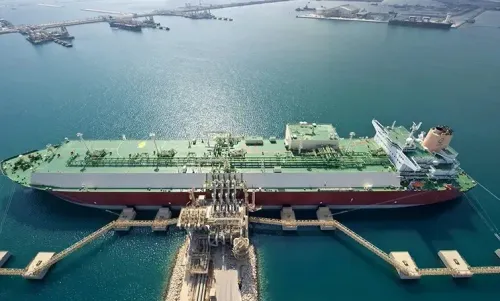
New Delhi, March 21 (NationPress) Pakistan is set to continue disbursing over $15 million monthly in capacity and utilization fees to its LNG terminals, even after QatarEnergy announced a force majeure earlier this month, as reported by The News International. The nation is making daily payments of approximately $538,535 to the two terminals despite halting LNG production since March 2.
The Federal Minister for Petroleum, Ali Pervaiz Malik, has publicly criticized these agreements, labeling them as flawed and not beneficial for the country.
Pakistan has imported LNG valued at around $35 billion to date, incurring nearly $3 billion solely in capacity charges.
Following the force majeure declaration by QatarEnergy, several state-owned entities—including Pakistan State Oil, Sui Southern Gas Company, Sui Northern Gas Pipelines Limited, and Pakistan LNG Limited—have invoked superior force clauses in their contracts, as highlighted in the report.
However, contracts with private LNG terminal operators mandate constant payments in US dollars regardless of whether gas is supplied or regasification occurs.
This situation means Pakistan remains bound to make payments without receiving any gas, underscoring a significant structural flaw in long-term LNG terminal contracts, officials noted.
The report also pointed out that these payments are exacerbating financial strain on the country during a period when its external account is already precarious.
Previously, another report indicated that economic instability in the neighboring country has reached critical levels following the US–Israel conflict with Iran, due to a sharp rise in oil prices and an escalating trade deficit.
Pakistan's economic vulnerability is reflected in its GDP growth rate of just 3.1 percent, an HDI rank of 168 out of 193 nations, a per capita income of $1,812, a poverty rate of 28.9 percent, an adult literacy rate of 60 percent, and 25.2 million children out of school, coupled with a youth unemployment rate of 12.8 percent, as stated in the article.
Point of View
The ongoing financial obligations of Pakistan towards LNG terminals, despite the force majeure, reveal a critical gap in contract management and economic strategy. As the nation faces considerable economic challenges, including a fragile external account, this situation underscores the need for a reassessment of energy agreements and economic policy.
NationPress
23 Sept 2026
Frequently Asked Questions
What is the monthly payment Pakistan makes to LNG terminals?
Pakistan pays over $15 million each month in capacity and utilization charges to its LNG terminals.
What impact does QatarEnergy's force majeure declaration have?
Despite QatarEnergy's force majeure declaration, Pakistan is still required to make payments to LNG terminals, highlighting contractual obligations.
How much LNG has Pakistan imported?
Pakistan has imported LNG worth approximately $35 billion to date.
What is the current GDP growth rate of Pakistan?
Pakistan's GDP growth rate is currently at 3.1 percent.
What economic issues is Pakistan facing?
Pakistan is experiencing significant economic challenges, including a high poverty rate and a fragile external account.