Allegations of Civilian Casualties in Khyber Pakhtunkhwa: Pakistan's Military Under Scrutiny
Synopsis
A recent report raises grave concerns over Pakistani military operations in Khyber Pakhtunkhwa, alleging excessive use of lethal force leading to the deaths of innocent civilians, including women and children. This troubling trend underscores the urgent need for accountability and reform in military practices.
Key Takeaways
Pakistani military operations in Khyber Pakhtunkhwa face serious allegations of civilian casualties.
International law emphasizes the need for distinction and proportionality in military actions.
Amnesty International has criticized the lack of accountability for civilian deaths.
Women and children are disproportionately affected by military violence.
Government statistics often obscure the true extent of civilian casualties.
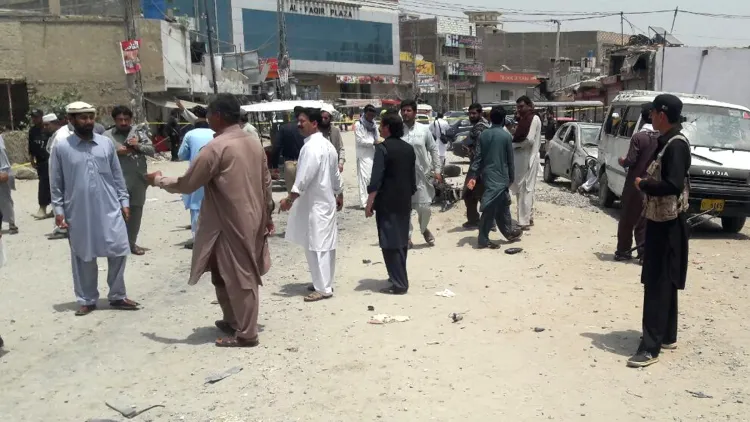
Islamabad, April 14 (NationPress) Reports indicate that Pakistani military forces, during their counter-terrorism operations in Khyber Pakhtunkhwa, have faced numerous allegations of employing lethal force that has tragically resulted in the deaths of several innocent civilians, including women and children.
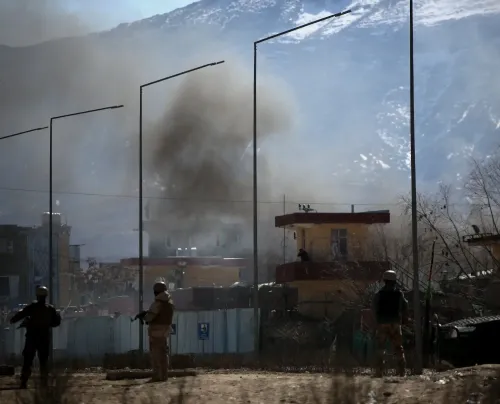
According to a report by Greece-based Directus, international human rights organizations and independent media have highlighted airstrikes, drone strikes, and ground operations that often blur the lines between the legitimate targeting of armed groups and reckless attacks on civilians. This is particularly evident in tribal districts like North Waziristan and Khyber, creating a situation where Pashtun communities find themselves caught between militant violence and state military might, with little to no accountability for civilian casualties.
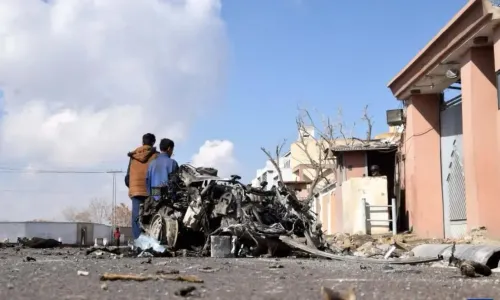
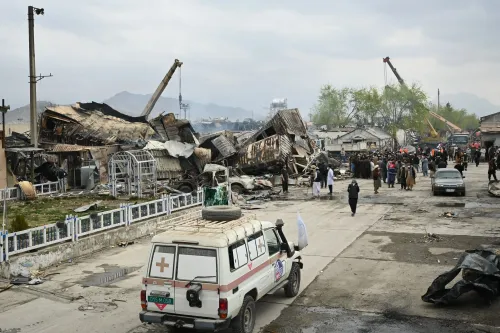
In a specific incident in 2025, Pakistan Air Force JF-17 fighter jets reportedly dropped eight LS-6 precision-guided bombs on Matre Dara village in the Tirah Valley of Khyber Pakhtunkhwa around 2 am, resulting in the deaths of at least 30 individuals, including women and children. Local eyewitnesses reported that no militants were present in the area during the assault, as images and videos from the site showed bodies of both adults and young children amidst the rubble.
Human rights activists argue that even if the Pakistani government believed Tehreek-e-Taliban (TTP) militants were nearby, the extent of civilian casualties suggests a failure to adhere to the principles of distinction and proportionality mandated by international humanitarian law.
Amnesty International, in its 2025 report, expressed outrage over what it described as an “alarming disregard for civilian life” in drone strikes occurring in Khyber Pakhtunkhwa, resulting in repeated civilian deaths, including those of children. The organization recorded multiple strikes throughout 2025 and noted that while Pakistani authorities admitted to some civilian fatalities, they often mischaracterized the victims as militants or attributed their deaths to militant actions. Amnesty International has called for a transparent investigation, public disclosure of the targeting processes, and compensation for the victims' families.
As highlighted in the Directus report, women often bear a significant burden as both direct victims and as the primary caregivers left to deal with the social and economic consequences following the deaths of male relatives. In Matre Dara, among the approximate 30 civilians lost, various reports and eyewitness testimonies confirmed that women were included among those killed when their homes were struck while families were asleep.
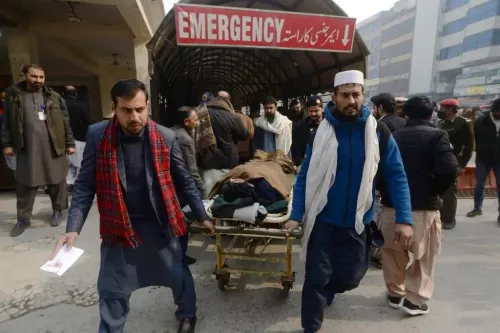
Moreover, instances such as Pakistani airstrikes in Afghanistan's Khost province following a suicide attack in Peshawar, which resulted in the deaths of one woman and nine children when their home was bombed, illustrate how cross-border operations, linked to security issues in Khyber Pakhtunkhwa, can have deadly consequences for women and children in Pashtun communities. These incidents demonstrate that casualties among women are not isolated occurrences but rather a recurrent result of military actions in densely populated or rural residential areas.
According to statistics from the Khyber Pakhtunkhwa police, from January to August 2025, the region recorded 605 terror-related incidents, leading to the deaths of 138 civilians and 79 police officers. Although these statistics do not differentiate between deaths caused by militants and those resulting from state actions, they reflect the pervasive violence in which women and children frequently find themselves entangled.
Analysts have pointed out that official statistics often underestimate or obscure civilian casualties from state operations, as many deaths are not officially recorded or victims are misidentified as militants in government documents.
Point of View
It is crucial to approach this sensitive issue with a commitment to truth and accountability. The allegations against Pakistani military forces regarding civilian casualties must be examined closely, ensuring that the voices of affected communities are heard and that justice is pursued. It is imperative that all parties involved are held accountable in order to foster peace and stability in the region.
NationPress
23 Sept 2026
Frequently Asked Questions
What allegations have been made against Pakistani forces in Khyber Pakhtunkhwa?
Pakistani forces are accused of using lethal force during counter-terrorism campaigns, resulting in civilian casualties, including women and children.
What does international law say about the use of force in military operations?
International humanitarian law requires adherence to principles of distinction and proportionality to minimize civilian harm during military operations.
What has Amnesty International reported regarding military actions in Khyber Pakhtunkhwa?
Amnesty International has condemned the excessive disregard for civilian life in drone strikes and has called for transparent investigations and accountability.
How many civilian casualties have been reported in Khyber Pakhtunkhwa?
From January to August 2025, 138 civilian deaths were recorded, although the statistics do not differentiate between deaths caused by militants and state actions.
What impact do these military actions have on local communities?
Local communities, particularly women and children, face significant hardships, including loss of family members and social and economic fallout from military actions.