Modi-Xi BRICS meet sets positive India-China trajectory: China Daily
Synopsis
China's state media is rarely effusive about India — but after the Modi-Xi bilateral at the BRICS Summit, the CCP's flagship English paper is calling for concrete action on Sino-Indian ties, citing record $155.6 billion trade and warning that external forces are trying to drive the two nations apart. Beijing's tone is telling.
Key Takeaways
China Daily , the CCP 's flagship English paper, called on India and China to translate Modi-Xi BRICS meeting understandings into concrete action.
Bilateral goods trade reached a record $155.6 billion in 2025 , up 12.4% year-on-year, per China's General Administration of Customs .
China re-emerged as India's largest trading partner in the 2025-26 Indian fiscal year.
The MEA stated both leaders reaffirmed 'differences should not become disputes' and committed to mutual respect, mutual sensitivity, and mutual interest .
PM Modi stressed peace and tranquillity in border areas as 'an essential basis' for bilateral development.
The 18th BRICS Summit was held at Bharat Mandapam, New Delhi on 12-13 September 2026 .
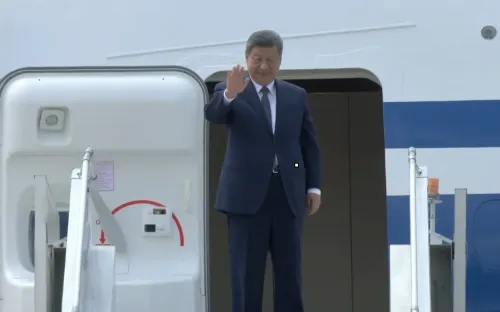
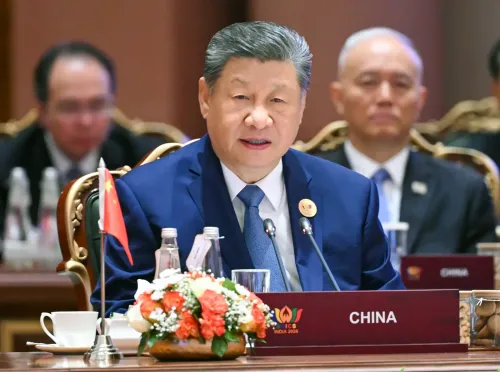
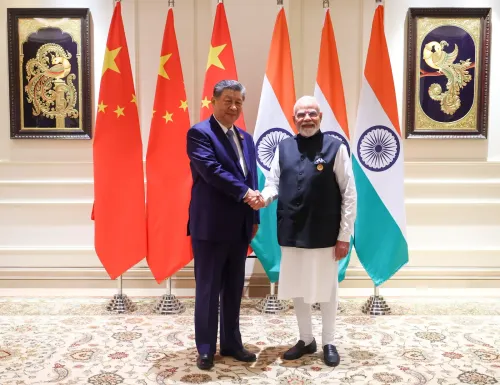
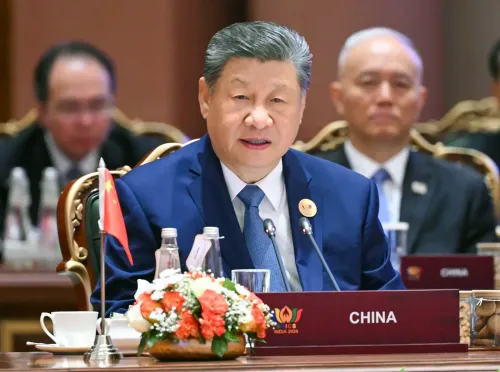
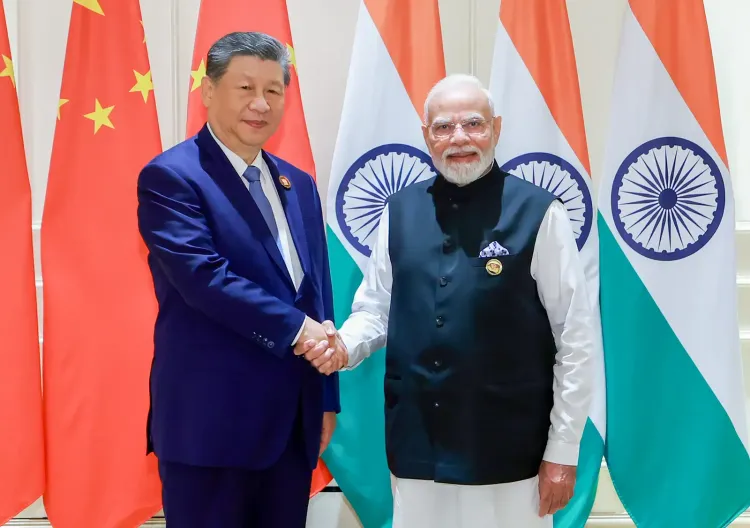
China's state-owned English-language newspaper China Daily — widely regarded as a mouthpiece of the Chinese Communist Party (CCP) — has called on Beijing and New Delhi to convert the understandings reached at the Modi-Xi bilateral meeting into concrete action, following the conclusion of the 18th BRICS Summit in New Delhi on 13 September 2026.
What the China Daily Editorial Said
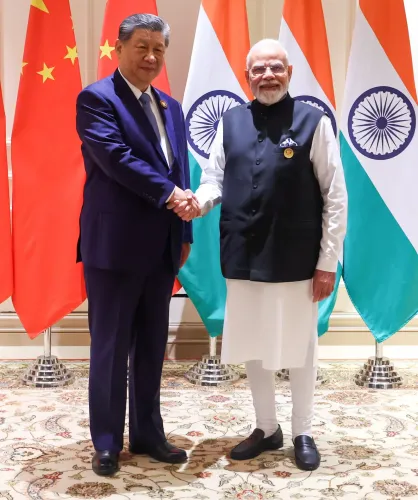
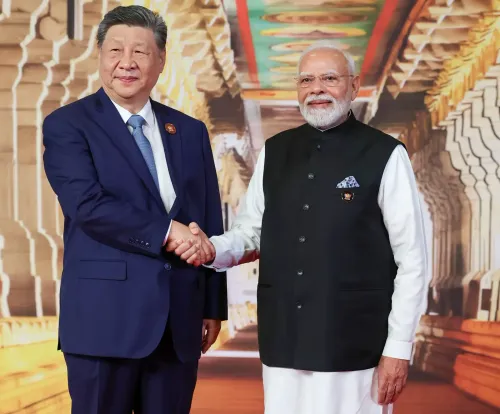
In an editorial published after the summit, China Daily described the meeting between Chinese President Xi Jinping and Prime Minister Narendra Modi on the sidelines of the BRICS gathering as one that 'underscored the importance of partnership and development, setting a pragmatic trajectory for Sino-Indian relations.' The paper noted that the two leaders 'emphasized the strategic importance of the relationship and stressed that the hard-won stability of ties illustrates the potential for further collaboration.'
The editorial added that 'both countries can draw on each other's strengths to pursue common development, supporting one another and helping each other succeed.' It also stressed the need to prevent the relationship from 'drifting or being overshadowed by mistrust and strategic rivalry.'
Trade Figures and Economic Interdependence
Citing data from China's General Administration of Customs, the newspaper reported that bilateral goods trade grew 12.4% year-on-year to a record $155.6 billion in 2025. It noted that China has re-emerged as India's largest trading partner in the 2025-26 Indian fiscal year, with Chinese industrial supplies underpinning India's manufacturing sector while India offers a vast consumer market for Chinese goods.
This economic interdependence, the paper argued, gives both sides a strong structural incentive to keep bilateral ties stable and productive.
What the Two Leaders Agreed
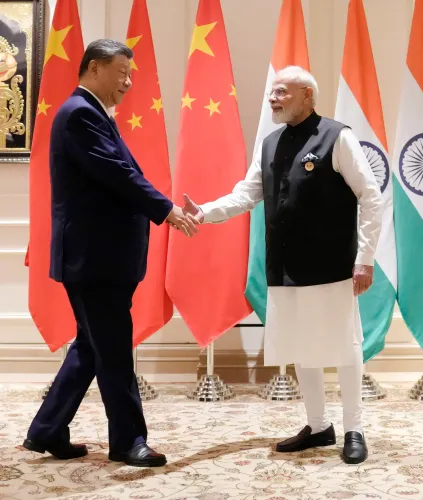
During the bilateral meeting held at Bharat Mandapam in New Delhi, Modi and Xi reaffirmed that 'differences should not become disputes' and committed to taking a 'strategic and long-term perspective' on their ties. A statement issued by India's Ministry of External Affairs (MEA) after the meeting noted that the leaders 'welcomed the steady progress in India-China bilateral relations since their last meeting in Tianjin in August 2025.'
The MEA statement further detailed that Prime Minister Modi highlighted that 'both sides must be guided by three mutuals — mutual respect, mutual sensitivity, and mutual interest.' Modi also stressed that 'peace and tranquillity in the border areas remain an essential basis for the continued development of bilateral relations.'
External Pressures and Geopolitical Context
The China Daily editorial explicitly flagged attempts by 'external forces' to fuel geopolitical rivalry between Asian nations, including China and India — a reference widely read as directed at the United States and its Indo-Pacific alliance framework. Against this backdrop, it cited Modi's remark that 'China-India relations leave no room for manipulation by external geopolitical agendas,' describing the statement as 'conducive to strengthening mutual trust, eliminating disturbances and safeguarding the positive atmosphere for bilateral engagement.'
Notably, the editorial's framing positions the Modi-Xi engagement as a counterweight to what Beijing describes as 'rising unilateralism and bloc confrontation' in the current international order — signalling that China sees sustained India engagement as strategically valuable, particularly as its own relations with the West remain fraught.
What Comes Next
With the BRICS Summit now concluded, attention shifts to whether the diplomatic warmth translates into verifiable steps — particularly on border management, visa normalisation, and investment flows that have remained constrained since the 2020 Galwan Valley clash. Sectoral follow-through and sustained dialogue mechanisms will be the real test of whether this latest reset holds.
Point of View
Particularly as it seeks to prevent India from deepening alignment with Washington and the Quad. The record $155.6 billion trade figure is real, but the asymmetry matters: China runs a sizeable surplus, and Indian industry has long complained of unfair competition from Chinese imports. Modi's 'three mutuals' framing is calibrated — it signals engagement without foreclosing India's strategic autonomy. The harder question is whether this diplomatic reset produces movement on the ground: restored border patrolling protocols, eased visa restrictions, and resumed direct flights remain unfinished business from the post-Galwan normalisation.
NationPress
14 Sept 2026
Frequently Asked Questions
What did China Daily say about the Modi-Xi meeting at the BRICS Summit?
China Daily, the CCP's flagship English-language newspaper, published an editorial urging India and China to translate the understandings reached at their BRICS-sideline bilateral into concrete action. It described the meeting as setting 'a pragmatic trajectory for Sino-Indian relations' and called for fresh avenues of cooperation and long-term good-neighbourly coexistence.
What is the current state of India-China bilateral trade?
According to China's General Administration of Customs, bilateral goods trade grew 12.4% year-on-year to a record $155.6 billion in 2025, with China re-emerging as India's largest trading partner in the 2025-26 fiscal year. Chinese industrial supplies underpin India's manufacturing sector, while India provides a large consumer market for Chinese goods.
What did PM Modi and Xi Jinping agree on during their bilateral meeting?
The two leaders reaffirmed that 'differences should not become disputes' and committed to a strategic, long-term perspective on ties. Modi highlighted the principle of three mutuals — mutual respect, mutual sensitivity, and mutual interest — and stressed that peace and tranquillity in border areas remain essential for bilateral development.
Where and when did the 18th BRICS Summit take place?
The 18th BRICS Summit was held at Bharat Mandapam in New Delhi on 12 and 13 September 2026. President Xi Jinping participated in the two-day summit and also held a bilateral meeting with Prime Minister Modi on the sidelines.
Why does India-China bilateral stability matter beyond the two countries?
China Daily argued that how India-China ties evolve has a direct bearing on the well-being of more than 2.8 billion people in the two countries and helps shape the geopolitical situation of the broader region. Analysts note that a stable India-China relationship also has implications for the global balance between Western-led alliances and emerging-economy coalitions.