Xi Jinping pledges 'third golden decade' of BRICS as China takes 2027 chair
Synopsis
Xi Jinping's 'third golden decade' pledge isn't just BRICS boilerplate — it sets the stage for China to steer the expanded bloc's agenda in 2027. Coming hours after a Modi–Xi bilateral in New Delhi, the announcement underscores a careful diplomatic dance between Asia's two largest powers at a moment when both LAC tensions and multilateral ambitions hang in the balance.
Key Takeaways
President Xi Jinping announced China will assume the 2027 BRICS Chairship and host the 19th BRICS Summit .
Xi pledged to 'usher in the third golden decade of BRICS cooperation.' He called for a 'permanent, comprehensive ceasefire' in the Middle East .
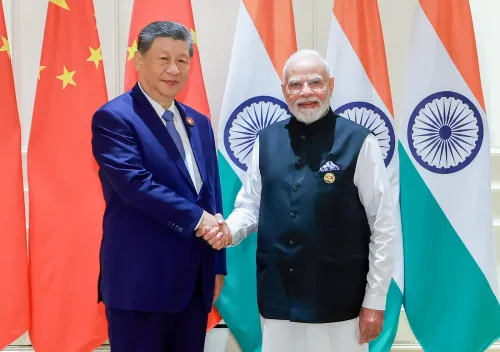
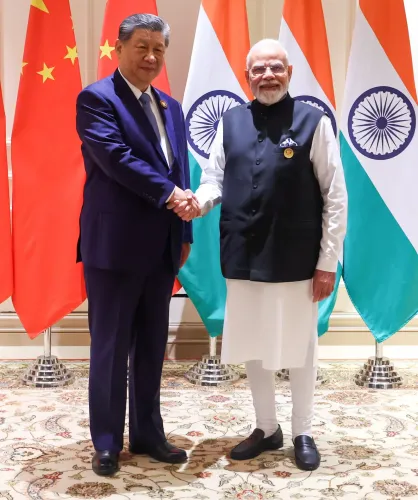
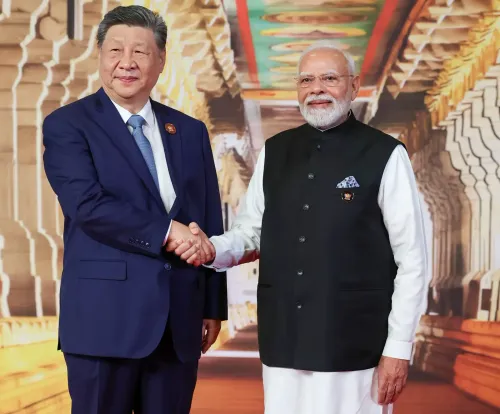
PM Narendra Modi and President Xi held a bilateral meeting at Bharat Mandapam , New Delhi , on the sidelines of the 18th BRICS Summit .
Jaishankar and NSA Ajit Doval were present at the Modi–Xi meeting.
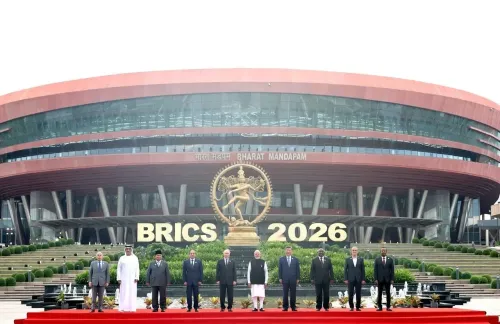
India is hosting the two-day summit as BRICS Chair 2026 .
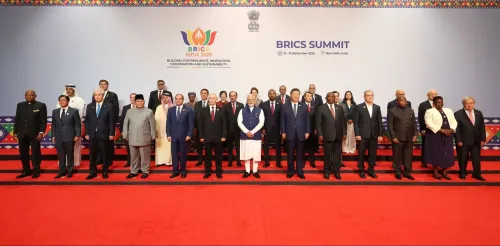
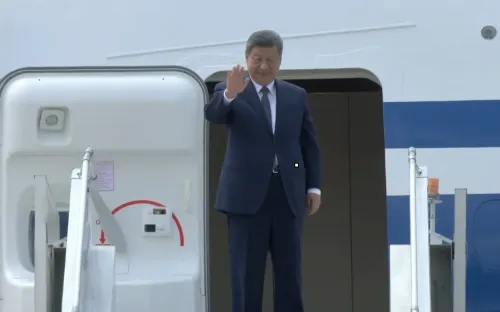
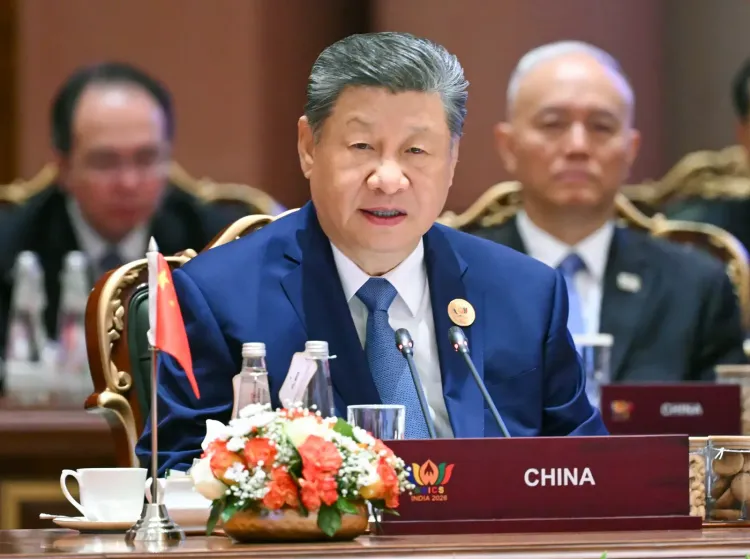
Chinese President Xi Jinping on Saturday, 12 September announced that China will assume the 2027 BRICS Chairship and host the 19th BRICS Summit, pledging to work with all member nations to 'usher in the third golden decade of BRICS cooperation.' The declaration came on the sidelines of the 18th BRICS Summit, currently under way at Bharat Mandapam in New Delhi under India's chairship.
Xi's vision for China's BRICS tenure
According to a post on X by Chinese Foreign Ministry spokesperson Mao Ning, President Xi said Beijing would 'seize the opportunity to build consensus and work with all parties to plan for the future.' The statement signals China's intent to shape the bloc's strategic direction at a time when BRICS has expanded its membership and is seeking to position itself as a counterweight in global governance.
Notably, this will mark China's second turn at the BRICS helm — the last being in 2022, when Beijing steered the bloc's landmark expansion drive. Whether the 'third golden decade' framing translates into concrete institutional reform or remains rhetorical will be closely watched by analysts.
Xi calls for ceasefire in the Middle East
President Xi also addressed the ongoing conflict in the Middle East, stating that the war 'has inflicted serious losses on the people of all countries in the region' and is 'against the common interests of the international community.' He urged relevant parties to pursue political settlement and work toward a 'permanent, comprehensive ceasefire,' adding that China would collaborate with fellow BRICS members to 'play a due role in bringing peace and tranquillity to the Middle East.'
This comes amid growing BRICS attention to West Asian geopolitics, with several newer member states — including Saudi Arabia, Iran, and Egypt — directly affected by regional instability.
Modi–Xi bilateral meeting at Bharat Mandapam
Earlier on Saturday, Prime Minister Narendra Modi and President Xi held a bilateral meeting on the sidelines of the summit. At the outset, PM Modi expressed gratitude for China's support during India's BRICS chairship.
'I feel very happy in welcoming you. I thank you for your positive statement at the BRICS Summit. I express my gratitude for the support and cooperation received from China during India's BRICS chairship. We now have the opportunity to discuss bilateral cooperation. Once again, a warm welcome to you in India,' PM Modi said.
External Affairs Minister S. Jaishankar, National Security Advisor Ajit Doval, and other senior officials were present during the meeting. The bilateral engagement is significant given that India–China relations have been strained over the Line of Actual Control (LAC) standoff, with recent diplomatic thaws offering cautious optimism.
India's role as BRICS 2026 chair
As the BRICS Chair for 2026, India is hosting the two-day 18th BRICS Summit at Bharat Mandapam, bringing together leaders of member and partner countries as well as outreach invitees. The summit's agenda reportedly includes trade facilitation, de-dollarisation discussions, and climate cooperation — themes that will likely carry forward into China's chairship year.
With the baton set to pass from New Delhi to Beijing, all eyes will be on whether the two Asian giants can sustain diplomatic momentum beyond the multilateral stage and translate it into tangible bilateral progress.
Point of View
But substance remains thin; India and China still have unresolved LAC issues that no amount of multilateral choreography can paper over. The real test for both capitals is whether BRICS diplomacy creates space for bilateral breakthroughs or merely substitutes for them.
NationPress
28 Oct 2026
Frequently Asked Questions
What did Xi Jinping announce about BRICS 2027?
President Xi Jinping announced that China will take over the BRICS chairship in 2027 and host the 19th BRICS Summit. He pledged to 'build consensus and work with all parties to plan for the future' and usher in the bloc's 'third golden decade.'
Where is the 18th BRICS Summit being held?
The 18th BRICS Summit is being held at Bharat Mandapam in New Delhi over two days, with India serving as the BRICS Chair for 2026. Leaders of member and partner countries are attending.
What did Xi Jinping say about the Middle East conflict?
Xi stated that the war in the Middle East has inflicted serious losses on the people of the region and is against the common interests of the international community. He called for a permanent, comprehensive ceasefire and political settlement.
Did PM Modi and Xi Jinping hold a bilateral meeting?
Yes, PM Modi and President Xi held a bilateral meeting on the sidelines of the summit at Bharat Mandapam. Modi thanked Xi for China's support during India's BRICS chairship and expressed hope for further bilateral cooperation.
Who else attended the Modi–Xi bilateral meeting?
External Affairs Minister S. Jaishankar, National Security Advisor Ajit Doval, and other senior officials were present at the bilateral meeting between PM Modi and President Xi.