PoK Long March: JAAC marches to Muzaffarabad after Pakistan talks collapse
Synopsis
Talks between JAAC and Pakistani authorities have collapsed, triggering a Long March from Rawalakot to Muzaffarabad in PoK. With over 40 deaths reported since 5 June and Rangers, FC, and Punjab Constabulary deployed along the route, the UKPNP is now calling on the UN, EU, US, UK, and Russia to intervene — signalling that the crisis has moved well beyond a local dispute.
Key Takeaways
The JAAC launched its Long March from Rawalakot to Muzaffarabad on 27 July after talks with Pakistani authorities reportedly failed.
The UKPNP reports more than 40 deaths in Pakistan-occupied Kashmir (PoK) since 5 June amid ongoing unrest.
Pakistan deployed Rangers , Frontier Constabulary , and Punjab Constabulary ahead of the march.
The UKPNP called on Pakistani authorities to exercise maximum restraint and refrain from using force against peaceful protesters.
The organisation has appealed to the UN , EU , US , UK , and Russia to support civilian protection and promote dialogue.
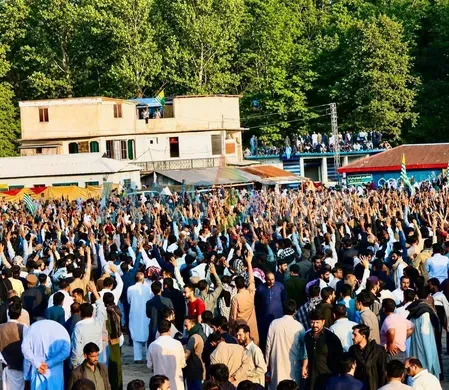
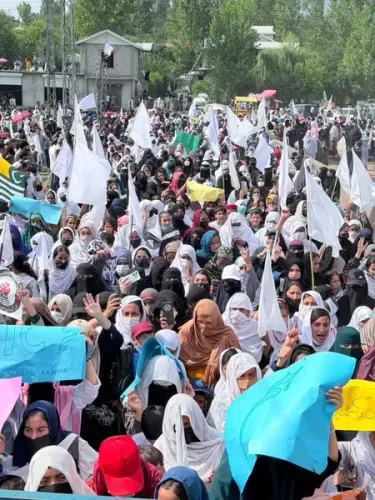
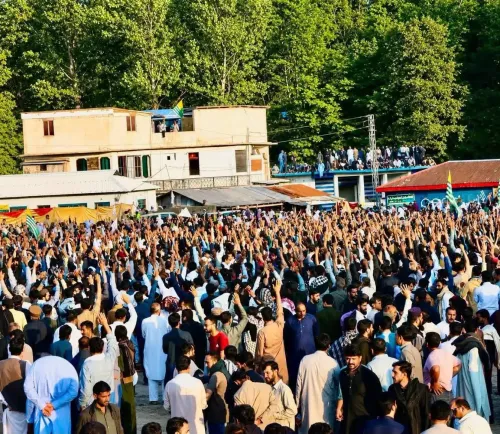
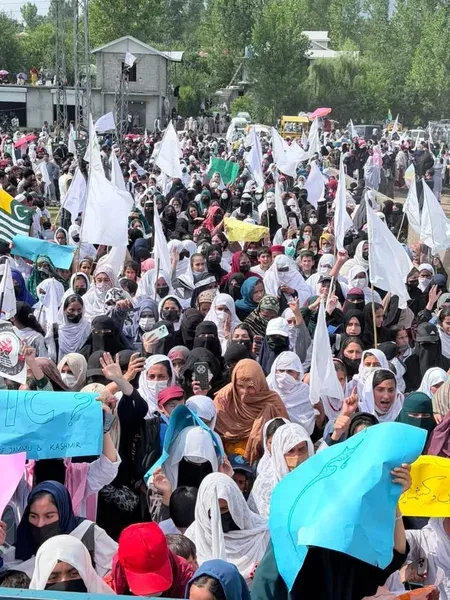
The Joint Awami Action Committee (JAAC) launched its Long March from Rawalakot to Muzaffarabad in Pakistan-occupied Kashmir (PoK) on 27 July, after negotiations with Pakistani authorities reportedly broke down without a mutually acceptable resolution. The United Kashmir People's National Party (UKPNP) has urged Islamabad to exercise maximum restraint and avoid deploying force against demonstrators, citing reports of more than 40 deaths in the region since 5 June.
How the March Unfolded
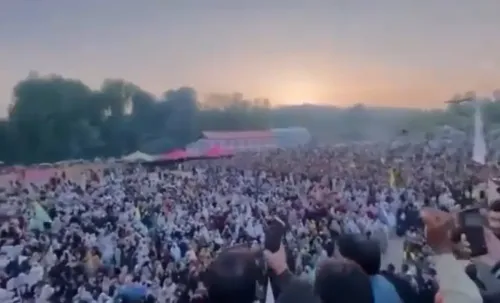
The JAAC had announced on Saturday that the Long March would begin from Mirpur Division on 26 July, with caravans converging at the Rawalakot sit-in before proceeding toward Muzaffarabad on 27 July. The march marks a significant escalation of the ongoing civil unrest in PoK, which has simmered since early June over unresolved grievances with Pakistani authorities.
Security Forces Deployed Ahead of the March
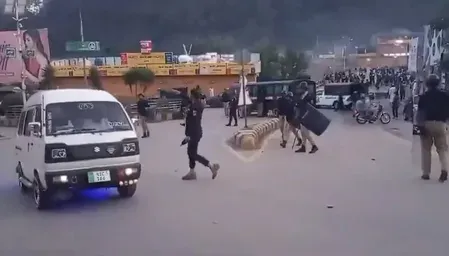
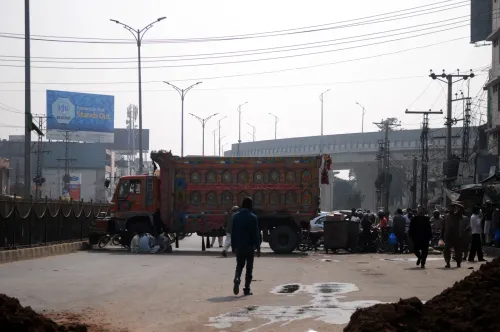
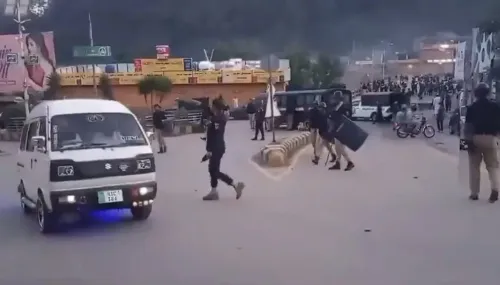
According to the UKPNP, reports indicated the deployment of additional Pakistani security forces ahead of the planned march, including the Rangers, Frontier Constabulary (FC), and Punjab Constabulary (PC). The visible security build-up raised alarm among civil society groups and diaspora organisations monitoring the situation closely.
What the UKPNP Said
In a post on social media platform X, the UKPNP stated: 'We call upon the authorities to exercise maximum restraint and refrain from the use of force against peaceful protesters. Protecting human life and safeguarding fundamental freedoms remain the primary responsibility of every state.'
The organisation also demanded accountability for reported casualties: 'Every reported death or injury should be subject to prompt, thorough, independent, and impartial investigation, with accountability in accordance with the law,' it said. The UKPNP stressed that peaceful protest, freedom of assembly, and freedom of expression are fundamental rights protected under international human rights law.
International Community Urged to Act
The UKPNP appealed to the United Nations, the European Union, the United States, the United Kingdom, and Russia to actively support civilian protection, encourage meaningful dialogue, and promote a peaceful resolution in PoK. It also called on international media and independent human rights organisations to independently monitor, report, and document any alleged violations by Pakistani authorities in the region.
Context and What Comes Next
This is not the first time JAAC-led mobilisations have confronted a security crackdown in PoK — the committee has previously organised large-scale protests over issues including subsidies, governance, and political rights. The failure of talks this time, combined with the reported death toll of over 40 since 5 June, suggests the standoff has entered a more volatile phase. International attention and media scrutiny will be critical in the days ahead as the march proceeds toward Muzaffarabad.
Point of View
And it may gain traction given the current geopolitical scrutiny on Pakistan. The real question is whether the march reaches Muzaffarabad without further casualties — and whether the international community moves beyond statements.
NationPress
27 Jul 2026
Frequently Asked Questions
What is the JAAC Long March in PoK?
The Long March is a large-scale public mobilisation organised by the Joint Awami Action Committee (JAAC), marching from Rawalakot to Muzaffarabad in Pakistan-occupied Kashmir. It was launched on 27 July after negotiations between JAAC and Pakistani authorities reportedly failed to produce an acceptable outcome.
How many people have reportedly died in the PoK unrest?
The UKPNP has cited reports claiming more than 40 people lost their lives in Pakistan-occupied Kashmir since 5 June amid the ongoing unrest. These figures have not been independently verified, and the UKPNP has called for impartial investigations into each reported death.
Why did talks between JAAC and Pakistani authorities fail?
According to reports, negotiations between the JAAC and Pakistani authorities did not produce a mutually acceptable resolution, prompting the committee to resume public mobilisation. The specific points of disagreement have not been officially disclosed by either side.
Which security forces has Pakistan deployed in PoK ahead of the march?
Reports cited by the UKPNP indicate the deployment of Rangers, Frontier Constabulary (FC), and Punjab Constabulary (PC) in the region ahead of the planned Long March. The UKPNP has urged these forces to exercise restraint.
What is the international community being asked to do?
The UKPNP has appealed to the United Nations, the European Union, the United States, the United Kingdom, and Russia to support civilian protection, encourage meaningful dialogue, and promote a peaceful resolution in PoK. It has also urged international media and human rights organisations to independently monitor and document developments.