Rahul Gandhi Demands Modi Apology Over Student Protest Crackdown
Synopsis
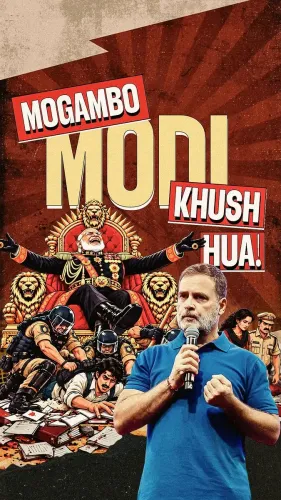
Congress leader Rahul Gandhi on 27 July 2026 accused the Modi government of using AK-47s against student protesters in Bihar and pellet guns in Delhi, demanded a public apology from the Prime Minister, and called for action against those who attacked students across Uttar Pradesh, West Bengal, Bihar, and Delhi.
Key Takeaways
Rahul Gandhi posted on 27 July 2026 alleging AK-47 fire on student protesters in Bihar and pellet-gun use in Delhi .
Gandhi alleged hundreds of students were arrested and FIRs were registered against them across multiple states.
He accused PM Narendra Modi of breaking a specific promise that no FIRs would be filed against students and they would be released.
States named in the alleged crackdown pattern: Uttar Pradesh , West Bengal , Bihar , and Delhi .
Gandhi demanded a public apology from the Prime Minister and punitive action against those who attacked protesters — not the students.
The Indian National Congress has historically invoked the 2019–2020 CAA-NRC protests and JNU cases as precedents for government suppression of student dissent.
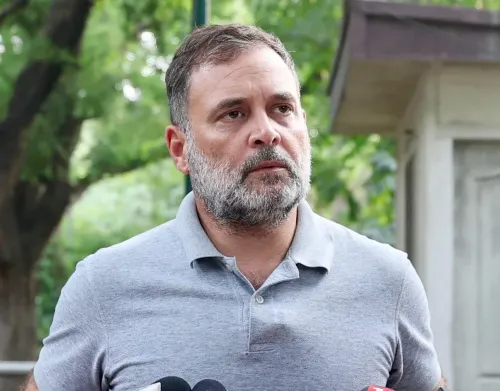
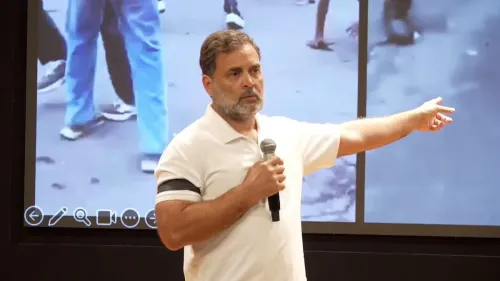
Congress leader Rahul Gandhi on Monday, 27 July 2026, sharply attacked the central government over alleged police action against student protesters in multiple states, demanding that Prime Minister Narendra Modi apologise to the country's students and take action against those responsible for the crackdowns.
Context
In a post on X, Gandhi alleged that students demonstrating in Bihar were fired upon with AK-47 rifles and that hundreds were arrested and booked under FIRs. He also alleged that pellet guns were used against student protesters in Delhi. Translating his core charge: 'Chhātron ke khilāf pūrā kā pūrā system hī jānlevā hai' — 'The entire system is lethal against students.'
Gandhi directly addressed the Prime Minister, asking: 'Where has your promise gone that no FIR would be filed against students and that they would be released?' He accused the government of doing the opposite — launching what he called 'deadly attacks and brutality' on protesters.
Policy Backdrop
Gandhi identified a cross-state pattern, naming Uttar Pradesh, West Bengal, Bihar, and Delhi as locations where, he said, the same approach was being applied against student voices. He stated: 'The pattern is the same everywhere — first they make promises, then they go back on their word and use every tactic to suppress students.'
India has a documented history of police deployments during campus and youth-led protests. During the 2019–2020 agitation against the Citizenship Amendment Act, police action including lathi charges and detentions was reported at universities such as Jamia Millia Islamia and JNU in Delhi. In 2016, the government faced sustained criticism over the sedition case involving students at JNU. Critics have noted that such incidents have recurred across administrations and states governed by different parties.
Stakeholders and Impact
The immediate stakeholders are the student protesters and those arrested across the named states. Gandhi demanded two specific actions from the Prime Minister: a public apology to students, and punitive action against those who allegedly attacked and 'crushed' protesters — rather than against the students themselves.
The Indian National Congress has historically positioned itself as a defender of student dissent and campus freedoms. Gandhi's post reinforces that framing, calling the government 'dishonest' — 'yeh sarkār jhūṭhī hai' — and asserting that 'reform is beyond their capacity.'
What's Next
Parliamentary sessions could see formal questions on police conduct and student safety in the affected states. State-level inquiries into the specific protest incidents — particularly the alleged use of firearms in Bihar and crowd-control weapons in Delhi — may follow depending on political pressure. The opposition is likely to press for a statement from the government on the reported arrests and the alleged promise of non-prosecution of student demonstrators.
Point of View
Moving from policy critique to direct moral accountability by naming specific weapons and specific broken promises — a framing designed to personalise the controversy around the Prime Minister rather than the states involved. The cross-state pattern argument is politically significant: by listing states governed by different configurations, Congress attempts to portray the crackdown as a centrally directed posture rather than local law-and-order decisions. The demand for an apology, rather than a policy change, signals that the opposition sees this primarily as an electoral and reputational battleground heading into the next political cycle. If the specific allegations — particularly the AK-47 claim in Bihar — are substantiated, the pressure on the government to respond formally will intensify considerably.
NationPress
25 Oct 2026
Frequently Asked Questions
What did Rahul Gandhi say about student protests in Bihar?
Rahul Gandhi alleged on 27 July 2026 that students protesting in Bihar were fired upon with AK-47 rifles and that hundreds were arrested with FIRs registered against them. He called this a betrayal of a promise reportedly made by PM Modi that students would not face FIRs and would be released.
Which states did Rahul Gandhi mention in his post about student crackdowns?
Gandhi named Bihar, Delhi, Uttar Pradesh, and West Bengal as states where he alleged the same pattern of suppressing student protests was being followed, including use of AK-47s in Bihar and pellet guns in Delhi.
What promise did Rahul Gandhi say PM Modi broke regarding students?
Gandhi claimed Modi had promised that no FIR would be filed against student protesters and that those detained would be released. He alleged the government did the opposite, registering FIRs against hundreds of students and using force against them.
What did Rahul Gandhi demand from PM Modi over the student protests?
Gandhi made two specific demands: that PM Modi publicly apologise to the country's students, and that the government take action against those who attacked and 'crushed' the protesters — not against the students themselves.
Is there a history of police action against student protesters in India?
Yes. During the 2019–2020 protests against the Citizenship Amendment Act, police action including lathi charges and detentions was reported at Jamia Millia Islamia and JNU in Delhi. In 2016, the government faced criticism over the sedition case involving JNU students. Such incidents have occurred across administrations and states governed by different parties.