Rahul Gandhi warns Modi, Shah: 'You cannot threaten Gen Z into silence'
Synopsis
Congress leader Rahul Gandhi directly warned PM Narendra Modi and Home Minister Amit Shah on July 31, 2026, accusing the government of physically assaulting young protesters, filing FIRs, and taking down their social media accounts — framing it as a generational battle over India's future.
Key Takeaways
On July 31, 2026 , Rahul Gandhi addressed PM Modi and Home Minister Amit Shah by name, accusing them of silencing Gen Z through force, FIRs, and account takedowns.
Gandhi alleged the government 'broke their bones' and is now escalating to criminal cases and digital suppression against young dissidents.
The post invokes the IT Rules 2021 framework, under which the government can direct platforms to remove content, a power critics say targets political dissent.
Gandhi positioned the ruling establishment as 'India's past' and Gen Z as 'India's future,' framing the conflict as a generational political divide.
Since 2019 , UAPA and sedition provisions have been applied in multiple student and youth protest cases, a pattern the Opposition has consistently challenged.
Court proceedings on challenged FIRs and parliamentary debates on social media legislation will be the next arenas where these issues are tested.
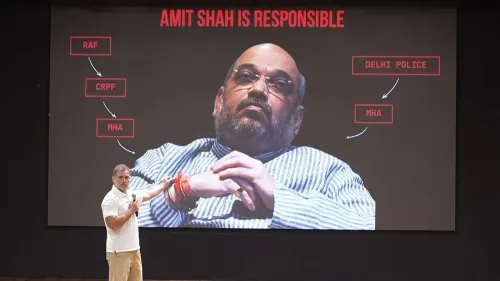
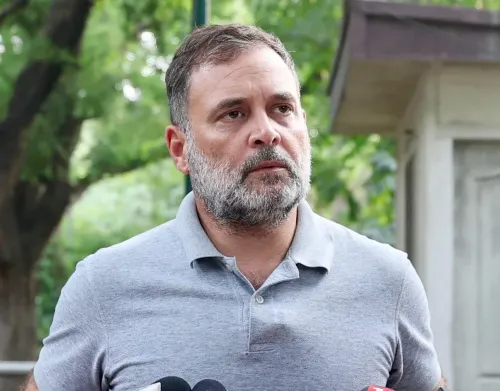
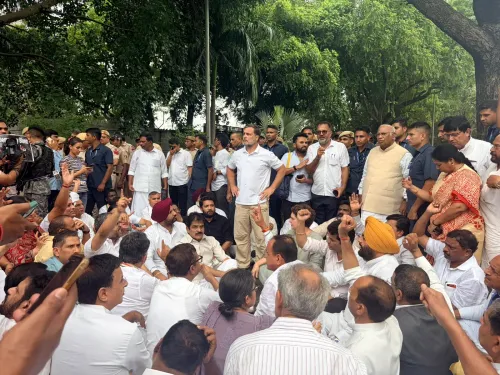
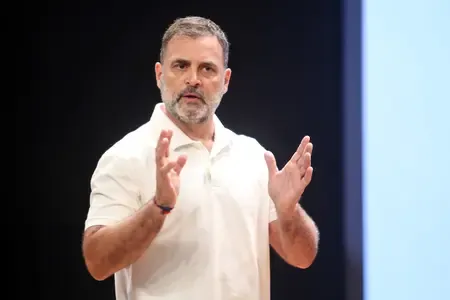
A direct, unambiguous warning landed on Friday, July 31, 2026, when Congress leader and Leader of the Opposition Rahul Gandhi addressed Prime Minister Narendra Modi and Home Minister Amit Shah by name — accusing the government of using physical force, criminal cases, and social media account takedowns to suppress young Indians who dare to speak out.
Gandhi's post left no room for diplomatic hedging: 'First you broke their bones. Now you are filing FIRs and taking down their accounts.' The charge is stark — that the state's response to youth-led dissent has escalated from street-level crackdowns to the digital domain, with accounts being removed and first information reports filed against young activists.
Gen Z in the crosshairs of a digital crackdown
The reference to account takedowns points to a well-documented legal architecture. The IT Rules 2021 grant the government authority to direct social media platforms to remove content, and critics have long argued those powers are deployed disproportionately against dissenting voices. When a young protester's account disappears alongside an FIR bearing their name, the chilling effect is doubled — they lose their platform and face criminal jeopardy simultaneously.
Gandhi's framing — 'You are India's past. Be careful about how you treat India's future' — is a deliberate generational wedge. It positions the ruling establishment as a rearguard fighting to hold ground against a cohort that is numerically enormous, digitally native, and increasingly politically activated.
A pattern the Opposition has pressed for years
This is not the first time Gandhi has cast the Congress as the institutional defender of young Indians against what he describes as BJP authoritarianism. Since 2019, the application of provisions under the Unlawful Activities (Prevention) Act and sedition law in student and youth protest cases has drawn sustained criticism from civil liberties groups and Opposition benches alike. Gandhi's post on July 31 inserts that longer argument into a specific, urgent moment.
The political arithmetic matters: India's Gen Z — those born roughly between 1997 and 2012 — represents hundreds of millions of first-time and recent voters. Whichever party earns their trust, or their anger, shapes the next decade of electoral outcomes. Gandhi is betting that a generation watching its peers face FIRs and vanishing accounts will remember who stood with them.
The government's response and what courts will decide
Neither the Prime Minister's Office nor the Home Ministry had issued a public response to Gandhi's post at the time of publication. The legal validity of challenged FIRs filed against youth activists, and the scope of government-directed content removal orders under the IT Rules, are subjects of active litigation in Indian courts — proceedings that will ultimately test where the constitutional boundaries of free expression and state power actually lie.
For now, the Leader of the Opposition has put his warning in the public record: treat the next generation as a threat, and face the political consequences of that choice.
Point of View
He converts a diffuse grievance among young Indians into a personalised political indictment. The 'past versus future' binary is rhetorically potent precisely because it is difficult to rebut without appearing to defend the actions being alleged. At the same time, the post operates in a space where the specific incidents cited remain publicly unverified, which means the government can contest the framing without engaging the underlying policy debate. The deeper contest is over which party Gen Z — India's largest and fastest-growing voter cohort — will hold responsible for the conditions they inherit.
NationPress
14 Sept 2026
Frequently Asked Questions
What did Rahul Gandhi say about Gen Z on July 31 2026?
Rahul Gandhi directly addressed PM Modi and Home Minister Amit Shah, accusing them of physically assaulting young protesters, filing FIRs against them, and taking down their social media accounts. He called the ruling leadership 'India's past' and warned them to be careful about how they treat 'India's future.'
What are the IT Rules 2021 and how do they relate to account takedowns?
The IT Rules 2021 give the Indian government authority to direct social media platforms to remove or block specific content. Critics argue these powers have been used to suppress political dissent, particularly content posted by youth activists and protesters.
Has the government used UAPA against student protesters in India?
Since 2019, provisions under the Unlawful Activities (Prevention) Act and sedition law have been applied in several cases involving student and youth protesters. These applications have been contested by civil liberties groups and the Opposition in courts and Parliament.
Why is Gen Z politically significant in India?
India's Gen Z — born roughly between 1997 and 2012 — constitutes hundreds of millions of first-time and recent voters. Their political preferences and grievances are widely seen as a decisive factor in shaping electoral outcomes over the coming decade.
What will happen next after Rahul Gandhi's warning to Modi and Shah?
Court proceedings on FIRs filed against youth activists and ongoing litigation challenging government-directed content removals under IT Rules 2021 will be closely watched. Parliamentary debates on social media legislation are also expected to revisit these issues.