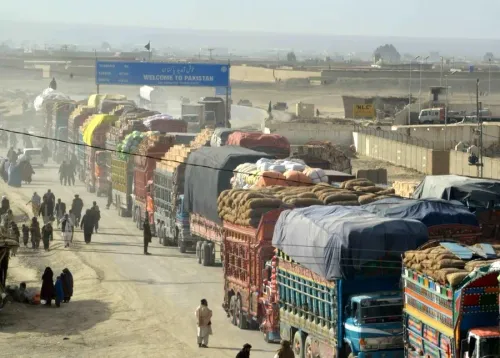
Pakistan loses $2 billion a year to post-harvest waste and cold chain gaps
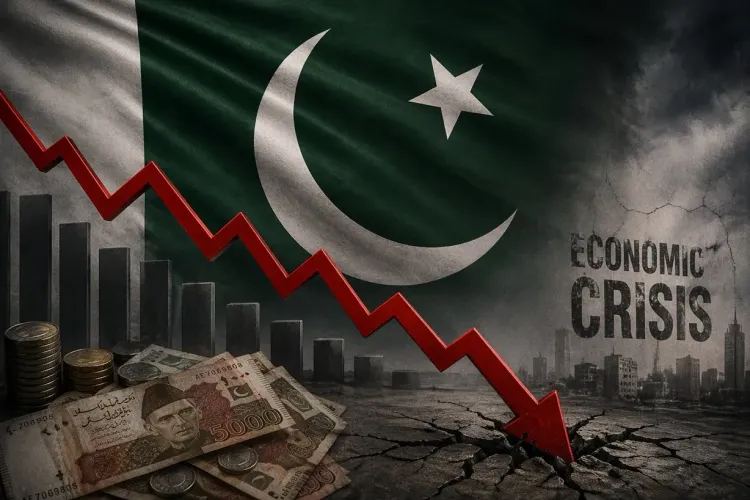
Synopsis
Pakistan is losing $2 billion a year — not to floods or conflict, but to broken cold chains, discarded harvests, and price swings so severe that farmers compare growing vegetables to gambling. A Dawn report lays bare how infrastructure neglect is quietly draining one of South Asia's largest agricultural economies.
Key Takeaways
Pakistan loses an estimated $2 billion annually due to post-harvest waste and supply chain failures, according to a report in Dawn .
Inadequate cold storage infrastructure alone accounts for roughly $1.2 billion in annual losses.
Syed Mehmood Nawaz Shah of the Sindh Abadgar Board likened vegetable farming to gambling due to extreme price volatility.
Better compliance with international standards could unlock $2 billion to $3 billion in additional export earnings.
Pakistan's recycling rate stands below 5 per cent , versus 25 per cent in India, costing around $1 billion in foregone waste-management gains.
Pakistan is haemorrhaging an estimated $2 billion every year in post-harvest losses, driven by crumbling storage infrastructure, fragmented supply chains, and weak enforcement of quality standards — with the country's agribusiness sector bearing the heaviest cost, according to a report published in Dawn.
Scale of the Crisis
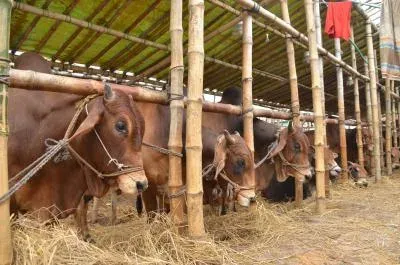
Pakistan's food losses rank among the highest in South Asia, particularly for perishable produce such as fruits and vegetables. Inadequate post-harvest infrastructure leaves farmers with little ability to market their produce profitably, and in several cases, volatile prices and high transportation costs make it economically unviable to send crops to market at all — resulting in large volumes being discarded.
The absence of adequate cold storage infrastructure alone accounts for roughly $1.2 billion in annual post-harvest losses, according to the report, pointing to a structural weakness at the heart of Pakistan's agricultural value chain.
Farmers Caught in a Price Trap
Syed Mehmood Nawaz Shah, President of the Sindh Abadgar Board, captured the predicament bluntly: 'There is a lot of focus when tomatoes are Rs 500 a kg, but nobody talks when they are being sold for Rs 5 per kg,' he was quoted as saying in the report. The analogy — likening vegetable farming to gambling — reflects the extreme price volatility that growers face season after season, with no reliable buffer mechanism in place.
Missed Export Opportunities
Beyond domestic losses, Pakistan is reportedly forfeiting significant export earnings due to inadequate compliance with international quality and safety standards. Stronger enforcement and wider adoption of global certifications could help the country generate an additional $2 billion to $3 billion in export revenues, the report noted.
Waste Management Gap
The report also flagged Pakistan's poor waste management practices, noting that the country's recycling rate remains below 5 per cent — compared with 25 per cent in neighbouring India. As a result, Pakistan is estimated to forgo around $1 billion in potential economic gains from waste-management technologies, compounding the losses from agricultural inefficiency.
What Needs to Change
Analysts and industry bodies have long called for investment in cold chain logistics, rural warehousing, and standardised grading systems as first-order remedies. Without structural reforms across the agricultural value chain — from farm gate to export terminal — the annual losses are likely to persist. The report's findings add urgency to calls for multilateral and domestic investment in Pakistan's agri-infrastructure.
Point of View
But the deeper story is structural: Pakistan has repeatedly prioritised agricultural output targets over post-harvest infrastructure, leaving farmers exposed to price shocks that no amount of good harvests can offset. The cold storage gap — $1.2 billion in losses from a single missing link — is not a new finding; it has been flagged in development reports for over a decade without triggering commensurate investment. Meanwhile, the comparison with India's 25 per cent recycling rate underscores a regional divergence in agri-value-chain maturity that is widening, not narrowing. Without cold chain investment and export-standard enforcement, Pakistan risks remaining a raw-commodity exporter in a world that pays a premium for processed, certified agricultural goods.
NationPress
24 Aug 2026
Frequently Asked Questions
How much does Pakistan lose annually due to post-harvest failures?
Pakistan loses an estimated $2 billion every year due to post-harvest losses stemming from inadequate storage, weak supply chains, and poor enforcement of quality standards, according to a report published in Dawn.
What role does cold storage play in Pakistan's agricultural losses?
The absence of adequate cold storage infrastructure alone accounts for roughly $1.2 billion in annual post-harvest losses in Pakistan. This represents the single largest structural gap in the country's agricultural value chain.
How much additional export revenue could Pakistan earn with better quality compliance?
According to the report, stronger enforcement of international quality and safety standards and wider adoption of global certifications could help Pakistan generate an additional $2 billion to $3 billion in export earnings annually.
How does Pakistan's waste management compare with India's?
Pakistan's recycling rate remains below 5 per cent, compared with 25 per cent in neighbouring India. This gap costs Pakistan around $1 billion in potential economic gains from waste-management technologies.
What did the Sindh Abadgar Board president say about farmer distress?
Syed Mehmood Nawaz Shah, President of the Sindh Abadgar Board, reportedly likened growing vegetables to gambling, noting that price attention focuses only when tomatoes reach Rs 500 a kg, while crashes to Rs 5 a kg go largely unaddressed.