Trump says Putin wants peace more than Zelensky amid ceasefire doubts
Synopsis
Trump publicly declared Putin the more peace-willing party in the Russia-Ukraine war — while simultaneously being unable to confirm whether Russia had violated the very ceasefire he claimed both sides had already accepted. The remarks exposed a widening gap between Trump's dealmaker confidence and the absence of any verifiable diplomatic agreement on the ground.
Key Takeaways
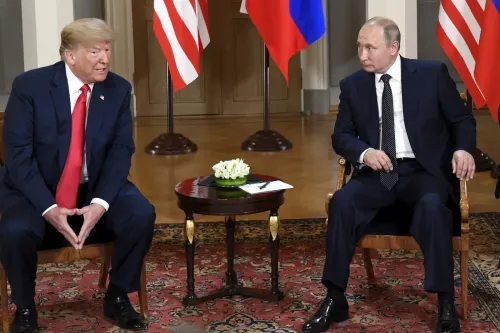
Donald Trump stated on 13 October 2026 that Vladimir Putin wants a peace deal more than Volodymyr Zelensky .
Trump claimed both Russia and Ukraine had agreed to an energy ceasefire, but acknowledged Putin had not publicly committed to it.
When asked about overnight Russian strikes, Trump said 'there's been violations on both sides' without citing evidence.
Trump cited 32,000 casualties in the current month alone as justification for urgency — a figure he did not source.
No formal ceasefire agreement between Moscow and Kyiv has been publicly confirmed by either government.
Russia's full-scale invasion of Ukraine began in February 2022 , producing years of fighting and infrastructure destruction.
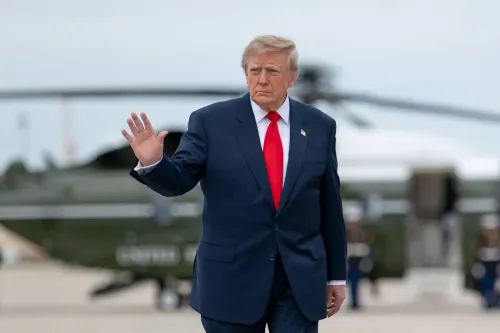
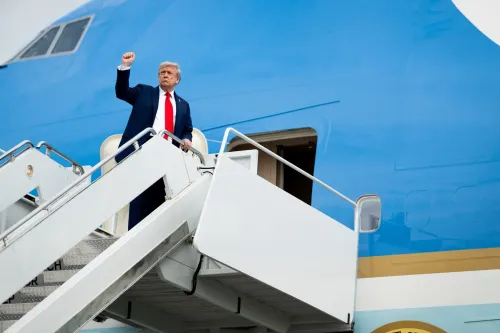
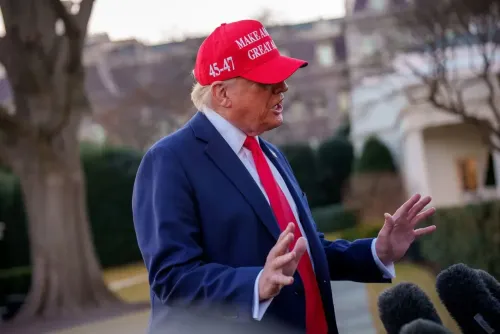
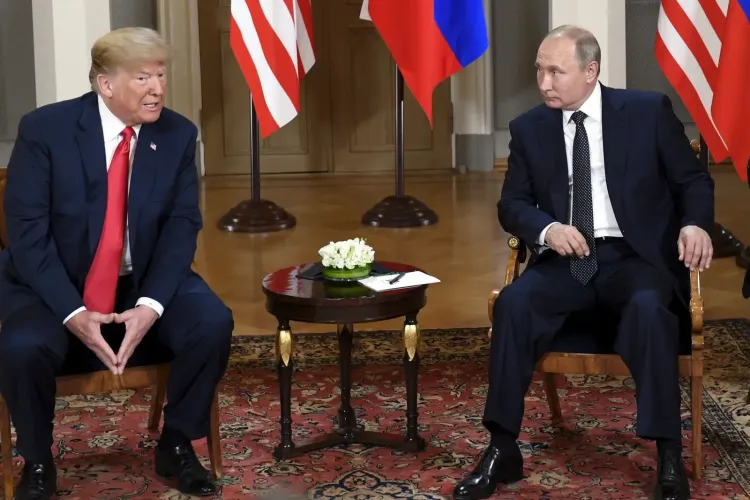
US President Donald Trump on 13 October 2026 declared that Russian President Vladimir Putin appeared more willing than Ukrainian President Volodymyr Zelensky to reach a peace settlement, even as reporters pressed him on alleged Russian strikes against Ukrainian energy infrastructure in apparent violation of a proposed ceasefire. Trump made the remarks at the White House before departing for a political rally in Ohio.
What Trump Said
'I think, actually, Putin wants to make a deal more than Zelensky,' Trump told reporters. When challenged on whether Moscow had formally agreed to halt attacks on energy infrastructure, Trump insisted both governments were on board. 'I think they both support it. I think they want to make a deal, but they don't know how. But we're going to get them to make a deal,' he said.
Notably, reporters pointed out that Putin had not publicly committed to the energy ceasefire proposal, a gap Trump did not directly address. Asked how he intended to persuade Putin to comply, Trump shifted emphasis to Kyiv. 'Well, I think what's happening is he wants to make a deal, and we have to get Zelensky to want to make a deal,' the President said.
Trump's Claim That Both Sides Already Agreed
When a reporter challenged Trump's earlier assertion that Russia and Ukraine had already agreed to a ceasefire, he stood by the claim on his own authority. 'Well, they agreed, you know why? Because I said you agree, that's why. They agreed because I said they agreed and that thing has to get settled,' he said. Trump did not provide details of any formal understanding between the two governments, nor did he explain how any proposed arrangement would be monitored or enforced.
Violations and Blame
Asked about reports that Russia had struck Ukrainian targets overnight — potentially breaching the proposed energy ceasefire — Trump said he needed to review the circumstances. 'I'm not sure about that and we'll take a look,' he said. He subsequently suggested that culpability was not one-sided. 'Well, I'd have to look at it and see because there's been violations on both sides,' Trump said. The remarks drew scrutiny given that the ceasefire proposal, as publicly described, had not yet been formally accepted by either government.
Casualty Figures and Urgency
Trump cited what he described as mounting battlefield deaths to argue for the urgency of a negotiated end to the conflict. 'This month, they lost 32,000 people in that war, and it's ridiculous. So, they have to get together and get it done,' he said, repeating the figure and describing those killed as predominantly young soldiers. He did not identify the source of the estimate, which could not be independently verified from his remarks.
Background: The Russia-Ukraine War
Russia's full-scale invasion of Ukraine began in February 2022 and has produced years of sustained fighting, widespread destruction of civilian infrastructure, and heavy casualties on both sides. Both governments have repeatedly accused each other of targeting energy facilities and civilian infrastructure. Trump has positioned himself as the broker capable of ending the conflict, though no formal peace framework has been publicly confirmed by either Moscow or Kyiv. Whether his latest remarks accelerate or complicate diplomatic efforts remains to be seen.
Point of View
And a contested one. More striking is the pivot to blaming 'both sides' for violations before any formal mechanism to monitor the ceasefire even exists. For Kyiv, this framing is dangerous: it places Ukraine's willingness to negotiate on the same moral footing as Russia's conduct on the battlefield, which is precisely the equivalence Moscow has long sought from Western mediators.
NationPress
13 Oct 2026
Frequently Asked Questions
What did Trump say about Putin and Zelensky's willingness to make peace?
Trump said he believes Putin wants a peace deal more than Zelensky does. He made the remarks at the White House on 13 October 2026 before departing for a rally in Ohio, telling reporters: 'I think, actually, Putin wants to make a deal more than Zelensky.'
Has Russia agreed to Trump's proposed energy ceasefire?
As of Trump's remarks on 13 October 2026, Putin had not publicly committed to the energy ceasefire proposal. Trump insisted both sides supported it, but could not point to any formal or public confirmation from Moscow.
Did Russia violate the proposed ceasefire?
Reporters asked Trump about overnight Russian strikes that allegedly violated the proposed energy ceasefire. Trump said he was 'not sure' and added that 'there's been violations on both sides,' without providing evidence or details.
What casualty figure did Trump cite, and is it verified?
Trump claimed that 32,000 people had been killed in the Ukraine war in the current month alone. He did not identify the source of this estimate, and it could not be independently verified from his remarks.
What is the current status of Russia-Ukraine peace negotiations?
No formal peace framework or ceasefire agreement has been publicly confirmed by either Russia or Ukraine as of 13 October 2026. Russia's full-scale invasion began in February 2022, and both governments have continued to accuse each other of attacking energy and civilian infrastructure throughout the conflict.