Qatar condemns Israeli settlers' Al-Aqsa storming as 'violation of international law'
Synopsis
Qatar has issued one of its sharpest rebukes yet over Al-Aqsa, calling settler incursions a 'flagrant violation of international law' after settlers raised Israeli flags at the Dome of the Rock under police protection. Doha warns the pattern risks igniting wider regional violence — and is calling on the international community to compel Israel to comply with international resolutions.
Key Takeaways
Qatar's Ministry of Foreign Affairs on 1 June condemned Israeli settlers storming Al-Aqsa Mosque in Jerusalem .
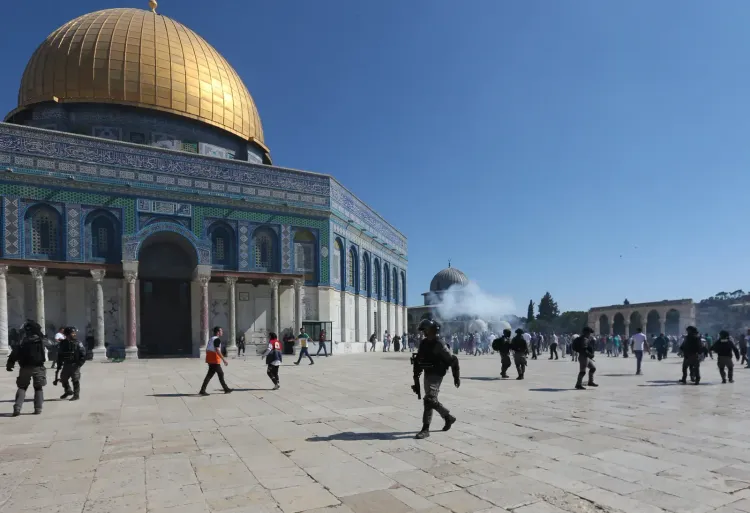
Settlers reportedly raised Israeli flags at the Dome of the Rock and sang the national anthem under Israeli police protection.
Entry was made through Al-Maghrabah Gate , which is fully controlled by Israeli authorities.
Qatar described the act as a 'flagrant violation of international law' and a 'dangerous attempt to impose a new reality' in occupied Jerusalem.
Jordan's Ministry of Awqaf holds legal custodianship of the compound and also warned against actions that divide the site.
Qatar called on the international community to compel Israel to halt violations and comply with relevant international resolutions.
Qatar's Ministry of Foreign Affairs on Monday, 1 June issued a sharp condemnation of the storming of Al-Aqsa Mosque in Jerusalem by Israeli settlers, calling it a 'flagrant violation of international law' and an 'unacceptable provocation of the feelings of millions of Muslims around the world.' The statement warned that repeated provocations risk fuelling further violence and regional escalation.
What Happened at Al-Aqsa
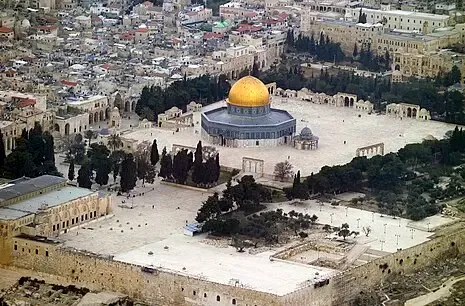
According to reports, Israeli settlers entered the mosque compound through Al-Maghrabah Gate — an access point fully controlled by Israeli authorities — under the protection of Israeli police. Settlers reportedly raised Israeli flags on the steps leading to the Dome of the Rock and sang the Israeli national anthem during the incursion. The compound, administered by Jordan's Ministry of Awqaf, has been a recurring flashpoint since East Jerusalem was occupied in June 1967.
Qatar's Official Position
Doha's foreign ministry stated that Al-Aqsa Mosque is 'an exclusively Muslim place of worship' and that all unilateral measures aimed at altering the historical and legal status quo in Jerusalem are 'null and void under international law.' The ministry described the settler actions as 'a dangerous attempt to impose a new reality in occupied Jerusalem and its Islamic and Christian sanctities.'
Qatar also reaffirmed its support for the Palestinian cause, calling for an end to the occupation and the establishment of 'an independent Palestinian state on the 1967 borders with East Jerusalem as its capital.'
Warning of Escalation
The ministry issued a direct warning: continued violations and provocations could 'fuel further violence and escalation in the region, undermining prospects for de-escalation and stability.' It renewed its call on the international community to 'act urgently and compel Israel, as the occupying power, to stop its ongoing violations against the Palestinian people and their holy sites.'
Jordan's Role and Regional Context
Jordan, which holds the legal custodianship of Al-Aqsa under the Hashemite Custodianship arrangement, separately warned settlers against actions aimed at creating a new reality that would 'temporally and spatially divide' the landmark. Frequent clashes — including settler raids and restrictions on Muslim worshippers — have been documented at the compound since 1967, making it one of the most contested religious sites in the world. This latest incident is the most recent in a pattern of settler incursions that have drawn repeated international censure.
Point of View
And each incident tests the durability of Jordan's custodianship arrangement, which underpins a key pillar of the 1994 Jordan-Israel peace treaty. The international community's repeated calls for restraint have not produced measurable change in settler behaviour, raising the question of whether diplomatic statements alone — however forceful — carry any deterrent weight at this stage.
NationPress
16 Sept 2026
Frequently Asked Questions
What happened at Al-Aqsa Mosque on 1 June 2025?
Israeli settlers entered the Al-Aqsa Mosque compound through Al-Maghrabah Gate under Israeli police protection, reportedly raising Israeli flags at the Dome of the Rock and singing the national anthem. Qatar and Jordan both condemned the incursion.
Why did Qatar condemn the Al-Aqsa storming?
Qatar's Ministry of Foreign Affairs called the settler entry a flagrant violation of international law and an unacceptable provocation of Muslims worldwide. It also described it as a dangerous attempt to alter the historical and legal status quo in occupied Jerusalem.
Who administers Al-Aqsa Mosque?
Al-Aqsa Mosque is administered by Jordan's Ministry of Awqaf, which holds legal custodianship of the compound under the Hashemite Custodianship arrangement. Jordan has separately warned against actions aimed at dividing the site temporally or spatially.
What is Qatar calling for in response?
Qatar is urging the international community to act urgently and compel Israel, as the occupying power, to halt violations against Palestinian holy sites and comply with relevant international resolutions. It also reiterated support for a Palestinian state on 1967 borders with East Jerusalem as its capital.
How frequent are clashes at Al-Aqsa Mosque?
Frequent clashes, including settler raids and restrictions on Muslim worshippers, have been recorded at Al-Aqsa since East Jerusalem was occupied in June 1967. The site is considered one of the most contested religious locations in the world.