Qatar, Iraq push for US-Iran MoU revival amid Hormuz tensions
Synopsis
With Iran declaring the US-Iran peace MoU effectively dead and Supreme Leader Khamenei calling Trump's signature 'worthless,' Qatar and Iraq stepped in at Doha on 19 July to urge a return to dialogue — a diplomatic rescue mission that underscores how quickly the mid-June accord has unravelled, and how much the stability of the Strait of Hormuz now hangs in the balance.
Key Takeaways
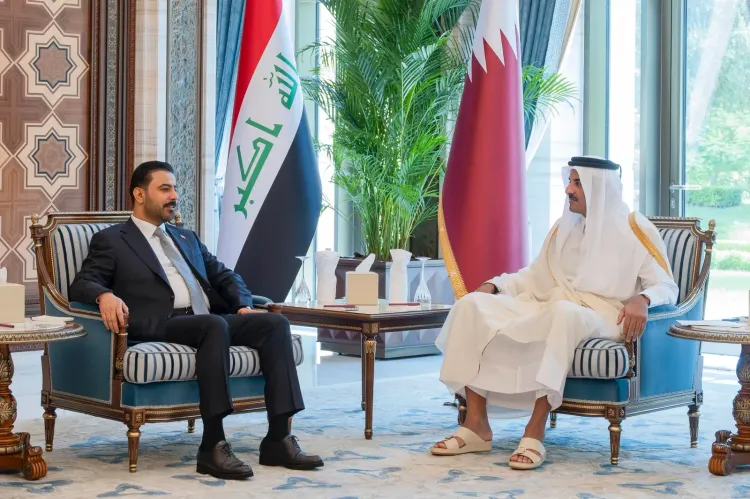
Qatari Emir Sheikh Tamim bin Hamad Al Thani met Iraqi PM Ali Falih Al-Zaidi in Doha on 19 July , calling for implementation of the US-Iran peace MoU .
Both leaders urged all parties to commit to dialogue and ensure freedom of navigation in the Strait of Hormuz .
The US-Iran MoU, signed in mid-June , required negotiations toward a final deal within 60 days .
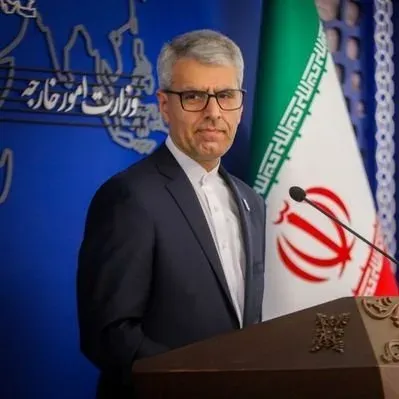
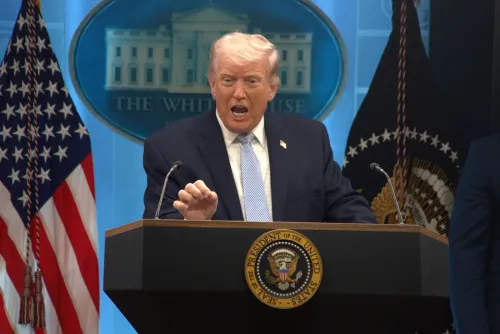
Iranian Deputy FM Kazem Gharibabadi declared Iran has suspended its MoU obligations, saying the US violated 'all its commitments.' Supreme Leader Mojtaba Khamenei stated that President Trump 's signature on the MoU is 'worthless and invalid,' according to Iranian state media.
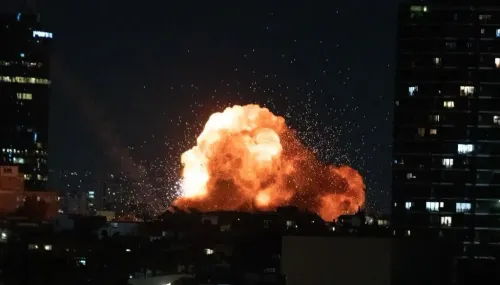
Both sides have reportedly exchanged rounds of attacks across the Middle East since the MoU was signed.
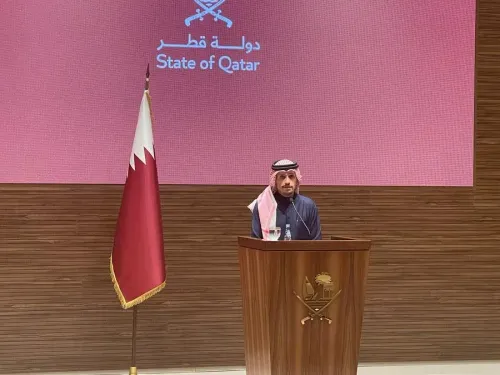
Qatari Emir Sheikh Tamim bin Hamad Al Thani met with visiting Iraqi Prime Minister Ali Falih Al-Zaidi in Doha on Sunday, 19 July, calling for the full implementation of the US-Iran peace memorandum of understanding (MoU) and urging all parties to return to dialogue. The high-level meeting, confirmed by the Emiri Diwan — the administrative office of the Qatari emir — came as the fragile accord faces mounting strain from renewed hostilities across the region.
Key Outcomes of the Doha Meeting
Both leaders called on all parties to honour the commitments enshrined in the MoU and to pursue dialogue as the primary mechanism for de-escalation. A joint statement from the Emiri Diwan said the two sides emphasised the need to guarantee freedom of navigation in the Strait of Hormuz and to protect broader regional security and stability.
The meeting also covered bilateral Qatar-Iraq ties, with both sides exploring avenues to deepen cooperation across multiple sectors, according to the statement.
Background: The US-Iran Peace MoU
The United States and Iran signed the peace MoU in mid-June, with the two sides expected to begin negotiations toward a final agreement within 60 days of signing. The accord was widely seen as a diplomatic breakthrough after years of confrontation, particularly over Iran's nuclear programme and proxy conflicts across the Middle East.
However, the agreement has rapidly unravelled. Both Washington and Tehran have since exchanged rounds of attacks in the region, with Iran formally suspending its obligations under the deal. This comes amid a broader pattern of US-Iran agreements collapsing at the implementation stage — a cycle that has repeated itself multiple times since 2015.
Iran's Position: 'No News of Negotiations'
Iranian Deputy Foreign Minister for Legal and International Affairs Kazem Gharibabadi declared that Iran has ceased fulfilling its obligations under the MoU, asserting that Washington had violated 'all its commitments' under the deal. Speaking in an interview with state-run IRIB TV, Gharibabadi said Iran is now focused squarely on self-defence.
'What we are currently faced with is defending the country in a decisive manner,' he said. 'This time too, the Americans have already received their answer that these aggressive actions will lead nowhere. If they are wise, they should choose other solutions.'
He confirmed there is 'no news of negotiations,' effectively signalling a full freeze on diplomatic engagement.
Khamenei Declares Trump's Signature 'Worthless'
Iranian Supreme Leader Mojtaba Khamenei went further, stating that the US violation of the MoU had once again demonstrated that US President Donald Trump's signature is 'worthless and invalid,' according to Iranian state media. Khamenei made the remarks in a message to the Iranian people addressing the country's most pressing issues.
The statement marks one of the sharpest public rebukes by Tehran's top leadership since the MoU was signed, and signals that Iran's ruling establishment has closed the door — at least for now — on further diplomatic overtures from Washington.
What the Hormuz Warning Signals
The joint Qatar-Iraq call to protect navigation in the Strait of Hormuz is particularly significant. The strait is the world's most critical oil chokepoint, with roughly 20% of global petroleum trade transiting through it daily. Any disruption — deliberate or incidental — would send immediate shockwaves through global energy markets. Iran has previously threatened to close the strait during periods of acute tension with the West.
With the MoU now effectively suspended and both sides hardening their positions, the diplomatic window for a negotiated resolution appears narrow. Regional actors including Qatar and Iraq are increasingly stepping in to prevent a full breakdown — though their leverage over Washington and Tehran remains limited.
Point of View
Not diplomacy. Qatar and Iraq calling for MoU implementation carries moral weight but little coercive power — neither can compel Washington or Tehran to step back from a confrontation both appear to have chosen. The more telling signal is Tehran's: by publicly declaring the MoU void and having Khamenei dismiss Trump's signature as worthless, Iran has made de-escalation politically costly at home. The Hormuz warning embedded in the Qatar-Iraq statement is the real alarm bell — if the strait becomes a flashpoint, the fallout will be felt in Mumbai's fuel prices before it registers in Washington's policy calculus.
NationPress
20 Jul 2026
Frequently Asked Questions
What did Qatar and Iraq agree on in their 19 July Doha meeting?
Qatari Emir Sheikh Tamim bin Hamad Al Thani and Iraqi Prime Minister Ali Falih Al-Zaidi called for full implementation of the US-Iran peace MoU and urged all parties to return to dialogue. They also stressed the need to protect freedom of navigation in the Strait of Hormuz and safeguard regional stability.
What is the US-Iran peace MoU and what has happened to it?
The US-Iran peace MoU was signed in mid-June, committing both sides to begin negotiations toward a final agreement within 60 days. Iran has since suspended its obligations under the deal, with its Deputy Foreign Minister stating that Washington violated 'all its commitments,' and both sides have reportedly exchanged attacks in the region.
Why is the Strait of Hormuz significant in this context?
The Strait of Hormuz is the world's most critical oil chokepoint, through which roughly 20% of global petroleum trade passes daily. Iran has previously threatened to close it during periods of high tension, making any instability there a direct risk to global energy supplies.
What did Iranian Supreme Leader Khamenei say about the MoU?
Iranian Supreme Leader Mojtaba Khamenei stated, according to Iranian state media, that the US violation of the MoU proved that President Donald Trump's signature is 'worthless and invalid.' He made the remarks in a message to the Iranian people addressing the country's key issues.
What did Iran's Deputy Foreign Minister say about negotiations?
Kazem Gharibabadi told state-run IRIB TV that Iran has ceased fulfilling its MoU obligations because the US violated the deal, and confirmed there is 'no news of negotiations.' He said Iran is now focused on 'defending the country in a decisive manner.'