MBS, Macron discuss US-Iran MoU and Hormuz tensions in phone call
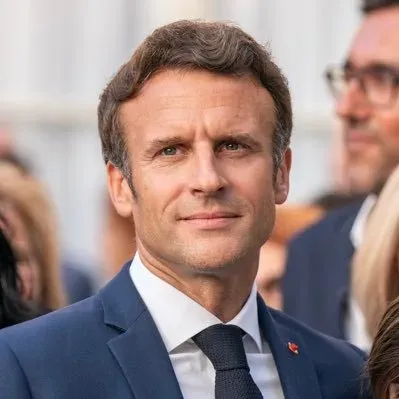
Synopsis
Even as the US and Iran agreed to pause attacks and shift talks to Doha, Saudi Crown Prince Mohammed bin Salman and French President Macron held an urgent call on 29 June to coordinate on the fragile MoU — with the Hormuz hotline still non-operational and sporadic strikes continuing on both sides.
Key Takeaways
Saudi Crown Prince Mohammed bin Salman and French President Emmanuel Macron spoke by phone on 29 June , discussing the US-Iran MoU and regional security.
The US-Iran MoU was signed on 17 June to end months of conflict, but sporadic clashes have continued.
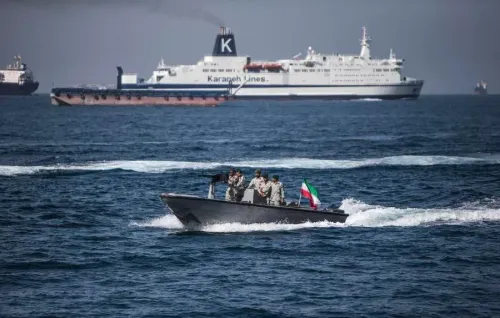
The US struck Iranian targets on Friday and Saturday , citing Iranian aggression against commercial shipping in the Strait of Hormuz ; Iran retaliated.
A US-IRGC hotline agreed upon in Switzerland to coordinate Hormuz traffic was still not operational as of Saturday.
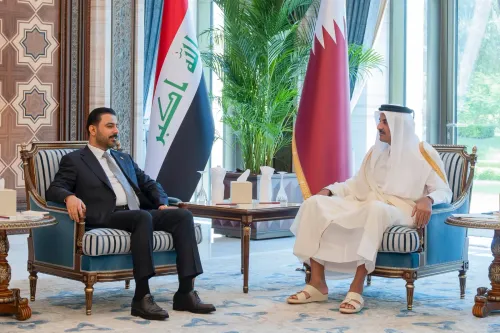
Talks originally scheduled in Switzerland on Iran's nuclear programme were relocated to Doha, Qatar , refocusing on Hormuz shipping security .
Both leaders underscored the importance of freedom of navigation and diplomatic de-escalation in the region.
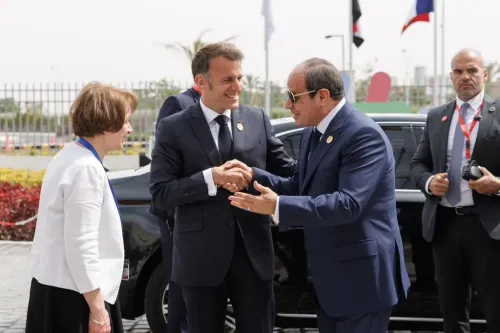
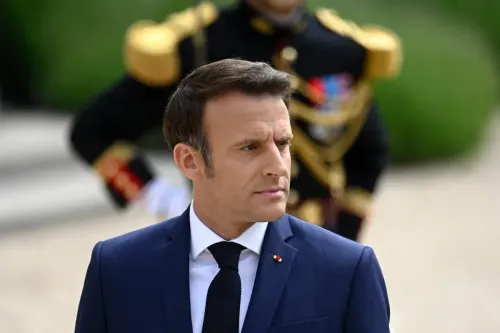
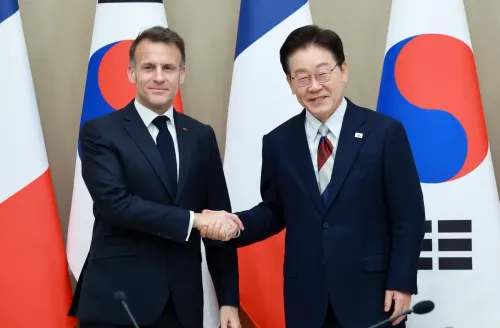
Saudi Crown Prince and Prime Minister Mohammed bin Salman held a phone call with French President Emmanuel Macron on 29 June, during which the two leaders reviewed regional and international developments, including the fragile state of the US-Iran memorandum of understanding (MoU) signed on 17 June. The conversation underscored growing international concern over security in the Strait of Hormuz and the broader Middle East.
Key Developments from the Call
According to official Saudi statements, the two sides reviewed the latest developments surrounding the US-Iran MoU, which was signed with the stated aim of ending months of conflict between Washington and Tehran. Both leaders emphasised the importance of ensuring freedom of navigation in international waterways and expressed support for diplomatic efforts to de-escalate regional tensions.
The call also covered bilateral cooperation between Saudi Arabia and France, as well as other international issues of shared concern. Discussions reportedly touched on ongoing efforts to facilitate comprehensive solutions that would enhance security and stability across the region.
State of the US-Iran MoU
Despite the 17 June agreement, the situation between Washington and Tehran remains volatile. The two countries have continued to engage in sporadic clashes even after signing the MoU. The United States conducted strikes on Iranian targets on Friday and Saturday, citing what it described as 'continued Iranian aggression against commercial shipping' in the Strait of Hormuz. Iran responded by striking US military positions in the region.
Notably, a 'hotline' agreed upon during negotiations in Switzerland — intended to coordinate traffic in the strait between the US military and Iran's Islamic Revolution Guard Corps (IRGC) — was still not operational as of Saturday, according to reports.
Doha Talks Shift Focus to Hormuz
Talks originally scheduled to be held in Switzerland and focused on Iran's nuclear programme have been relocated to Doha, Qatar, following renewed tensions in the Strait of Hormuz. The shift reflects a recalibration of priorities, with shipping security in the strategic waterway now taking centre stage.
The two sides have agreed to pause mutual attacks 'for now' and allow vessels to move freely while technical discussions continue, a US official was quoted as saying. The Doha talks were set for Tuesday.
Why the Strait of Hormuz Matters
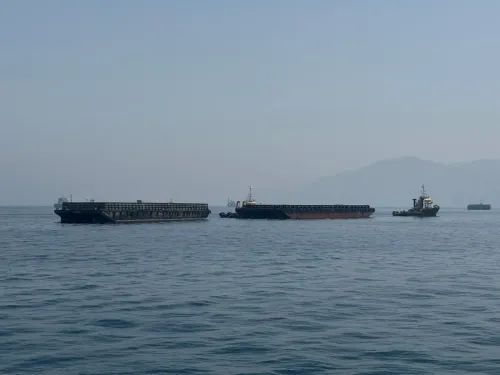
The Strait of Hormuz is one of the world's most critical maritime chokepoints, through which a significant share of global oil and liquefied natural gas (LNG) exports pass. Any disruption to navigation there carries immediate consequences for global energy markets and supply chains — making the Saudi-French conversation part of a broader international effort to stabilise the waterway.
This is the latest in a series of high-level diplomatic exchanges as global powers seek to consolidate the fragile US-Iran ceasefire and prevent a wider regional escalation.
Point of View
Even as strikes and counter-strikes continue. For global energy markets and for Gulf states whose economic futures depend on uninterrupted maritime trade, that gap between diplomatic text and operational reality is the real risk to watch.
NationPress
27 Sept 2026
Frequently Asked Questions
What did Mohammed bin Salman and Emmanuel Macron discuss on 29 June?
Saudi Crown Prince Mohammed bin Salman and French President Emmanuel Macron discussed the US-Iran MoU signed on 17 June, efforts to ensure freedom of navigation in the Strait of Hormuz, and broader diplomatic initiatives to de-escalate regional tensions. They also exchanged views on bilateral cooperation and other international issues.
What is the US-Iran MoU signed on 17 June?
The memorandum of understanding signed on 17 June between the United States and Iran was aimed at ending months of conflict between the two countries. However, sporadic clashes have continued since the signing, including US strikes on Iranian targets and Iranian retaliatory strikes on US military positions.
Why were the US-Iran talks moved from Switzerland to Doha?
The talks were relocated from Switzerland to Doha, Qatar, after renewed tensions in the Strait of Hormuz shifted the immediate priority from Iran's nuclear programme to maritime security in the strategic waterway. The Doha talks were scheduled for Tuesday.
What is the US-IRGC hotline and why does it matter?
The hotline is a direct communication channel agreed upon during Switzerland negotiations between the US military and Iran's Islamic Revolution Guard Corps to coordinate vessel traffic in the Strait of Hormuz and reduce the risk of accidental escalation. As of Saturday, it was reportedly still not operational despite the agreement.
Why is the Strait of Hormuz central to these diplomatic efforts?
The Strait of Hormuz is a critical global energy chokepoint through which a significant share of the world's oil and LNG exports transit. Disruptions to navigation there have immediate consequences for global energy prices and supply chains, making its security a priority for Saudi Arabia, France, the US, and the broader international community.