South Korea and France Join Forces for Safe Passage in the Strait of Hormuz
Synopsis
In a significant diplomatic move, South Korean President Lee Jae Myung and French President Emmanuel Macron have agreed to collaborate on ensuring safe passage through the Strait of Hormuz, addressing the ramifications of the Middle East crisis. This partnership aims to enhance energy security and economic ties between the nations.
Key Takeaways
Agreement on safe passage through the Strait of Hormuz.
Aiming for $20 billion in bilateral trade by 2030.
Focus on cooperation in advanced technologies.
Commitment to enhancing energy security.
Historic visit marks 140 years of diplomatic relations.
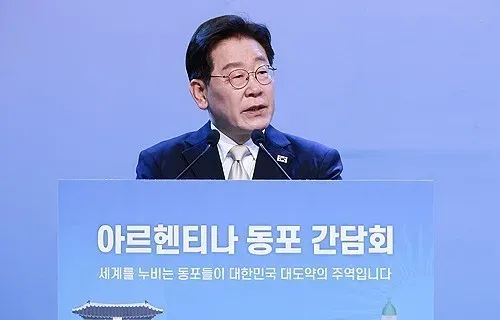
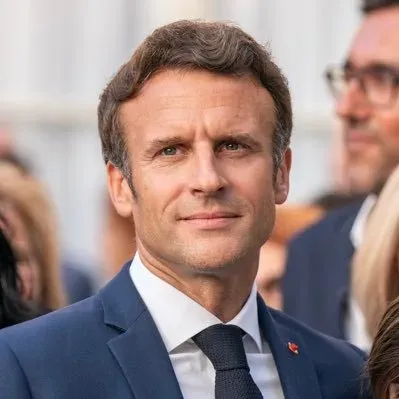
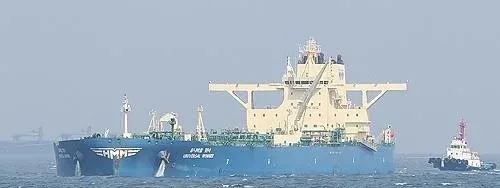
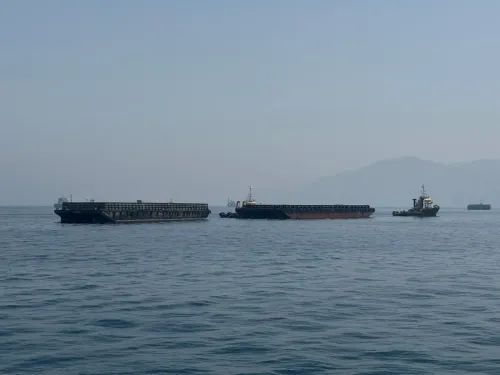
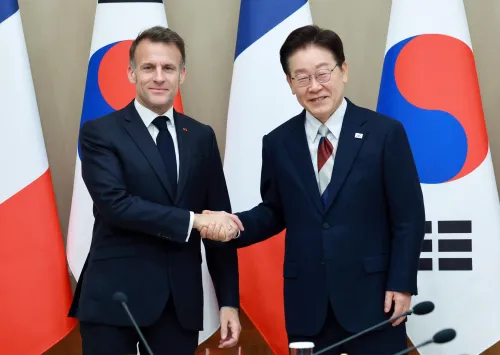
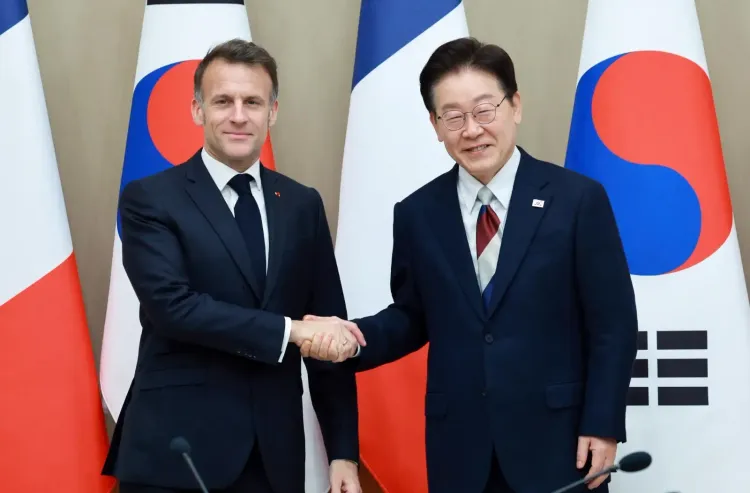
Seoul, April 3 (NationPress) President Lee Jae Myung of South Korea announced on Friday that he has reached an agreement with French President Emmanuel Macron to collaborate on ensuring secure passage through the Strait of Hormuz and to alleviate the widespread ramifications of the ongoing conflict in the Middle East.
During their summit discussions, Lee expressed his apprehensions regarding the unpredictabilities in global energy supply chains. The two leaders deliberated on methods to enhance economic relations and improve security cooperation.
"President Macron and I have decided to exchange policy insights and strategies to collectively tackle the economic and energy crises instigated by the Middle East conflict. We also agreed on the importance of working together to diminish uncertainties in the global economy," Lee stated during a joint press briefing.
He continued, "We reaffirmed our commitment to enhancing energy security by increasing our collaboration in the nuclear and offshore wind power sectors, while also ensuring safe maritime routes through the Strait of Hormuz."
Macron emphasized the necessity for France and South Korea to unite efforts in reopening the Strait of Hormuz and de-escalating tensions in the Middle East on an international scale.
The leaders also agreed to enhance trade and investment, aiming to achieve $20 billion in annual bilateral trade by 2030, a rise from $15 billion last year.
To facilitate collaboration across various sectors, both nations signed multiple memorandums of understanding (MOUs) and additional documents.
They committed to advancing partnerships in cutting-edge technologies and emerging industries—such as artificial intelligence, semiconductors, and quantum technology—and to form a joint ministerial committee focused on science and technology, as reported by Yonhap news agency.
Additionally, the two nations signed a letter of intent for cooperation in critical mineral supply chains, aimed at merging South Korea's manufacturing prowess with France's processing technology and infrastructure.
The state-run Korea Hydro & Nuclear Power has also signed MOUs with French nuclear companies Orano and Framatome, along with a separate agreement with EDF for the joint development of an offshore wind power facility in Yeonggwang.
Lee expressed optimism that these agreements would secure a consistent supply of raw materials for South Korea's nuclear energy facilities and establish a foundation for joint entry into the global market.
He also outlined plans for collaboration in space and defense and emphasized enhancing cultural cooperation, following an MOU signed between the cultural heritage agencies of both nations.
During the discussions, Lee shared details of Seoul's initiatives to resume dialogue with Pyongyang to foster peace on the Korean Peninsula, while Macron reiterated Paris' commitment to peace and stability in the region.
"We both leaders recognized that peace on the Korean Peninsula has significant implications not only for Northeast Asia and Europe but for the entire world," Lee remarked.
Lee highlighted the extensive cooperation between Seoul and Paris across a diverse array of sectors, including strategic future industries such as artificial intelligence, quantum technology, space, nuclear energy, and defense, expressing a desire to enhance coordination on the global stage.
"As responsible members of the international community, our nations are also collaborating to address the rapid shifts in the global landscape," he stated.
Lee mentioned that Macron has formally invited him to the upcoming Group of Seven summit in June, set to take place in Evian, France, to which he has accepted. If he attends, it will be his second consecutive G7 appearance, following his participation in Canada last year.
He welcomed the decision to elevate diplomatic relations from a "comprehensive partnership for the 21st century," established in 2004, to a "global strategic partnership," deeming it a "new milestone" in bilateral relations rooted in 140 years of trust and friendship.
Macron echoed this sentiment, expressing hope to broaden cooperation across various fields, including artificial intelligence, quantum technology, semiconductors, space, and culture, under the enhanced partnership.
He stated that Seoul and Paris could strengthen security collaboration and work together to help stabilize conditions in the Middle East, particularly by ensuring safe passage through the Strait of Hormuz.
This visit marks Macron's inaugural trip to South Korea since taking office in 2017 and the first by a French president in 11 years. It coincides with the two nations celebrating the 140th anniversary of their diplomatic relations, initiated with the signing of the Treaty of Friendship, Commerce, and Navigation between France and the Joseon Dynasty (1392-1910).
Lee referred to France as "an old friend and partner," recalling that it deployed over 3,000 troops during the Korean War (1950-53) to assist South Korea, and expressed a desire to further strengthen bilateral relations in light of Macron's visit.
Point of View
Especially in light of the ongoing Middle Eastern conflicts. The collaboration between South Korea and France aims to enhance regional stability and address the broader implications for global energy security. The proactive approach taken by both leaders reflects a commitment to shared values and mutual interests in times of uncertainty.
NationPress
24 Sept 2026
Frequently Asked Questions
What is the main goal of the agreement between South Korea and France?
The primary aim is to ensure safe passage through the Strait of Hormuz and to address the economic and energy crises resulting from the conflict in the Middle East.
How much do South Korea and France aim to increase their bilateral trade by 2030?
They aim to reach $20 billion in annual bilateral trade by 2030, an increase from $15 billion last year.
What sectors will the cooperation focus on?
The cooperation will focus on advanced technologies including artificial intelligence, semiconductors, quantum technology, and energy sectors like nuclear and offshore wind power.
What historical significance does this meeting hold?
This visit celebrates the 140th anniversary of diplomatic relations between South Korea and France, initiated with the Treaty of Friendship, Commerce, and Navigation.
What invitation did Macron extend to President Lee?
Macron formally invited President Lee to the upcoming Group of Seven summit scheduled for June in Evian, France.