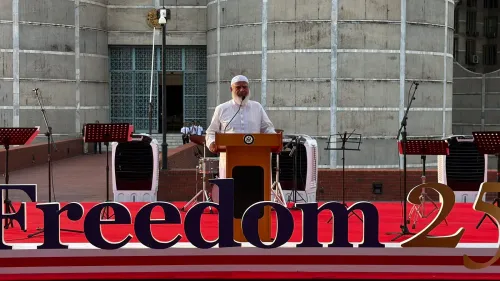
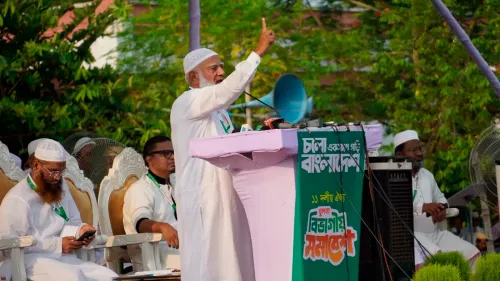
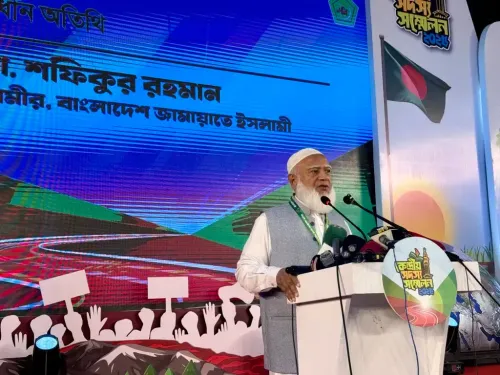
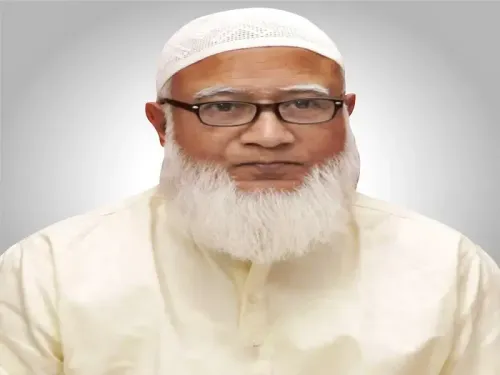
Shafiqur Rahman's Australia visit draws groups' protest
Synopsis
Australian Hindu and Jewish organisations have questioned why Jamaat-e-Islami leader Shafiqur Rahman was allowed into Australia, citing his party's history and past remarks. They also raised concerns about a reported Sydney luncheon attended by Australian parliamentarians.
Key Takeaways
The Australian Jewish Association and Australian Hindu Association condemned Shafiqur Rahman's four-day visit to Australia.
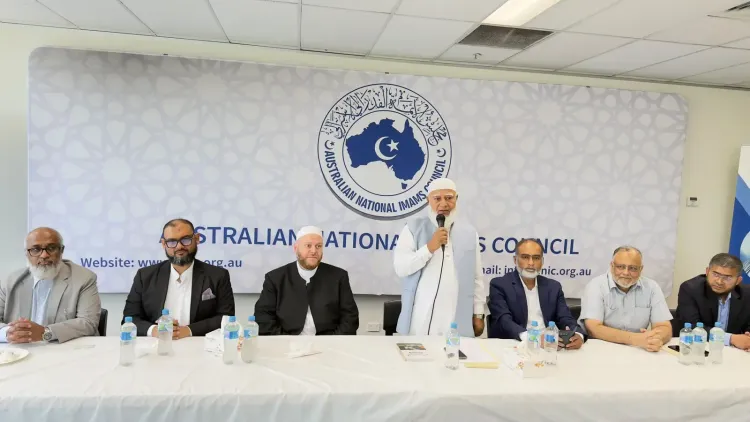
The groups said the Australian National Imams Council reportedly hosted Rahman at a Sydney luncheon on 21 November .
The associations asked the Australian government whether any government representatives met Rahman.
Bangladesh's counterterrorism police arrested Rahman in December 2022 over alleged militant links; he was later released on bail after approximately 15 months in detention.
Rahman thanked Bangladeshis in Australia on X and said he had postponed a one-day visit to Malaysia.
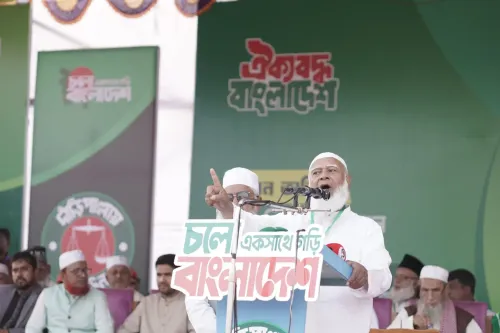
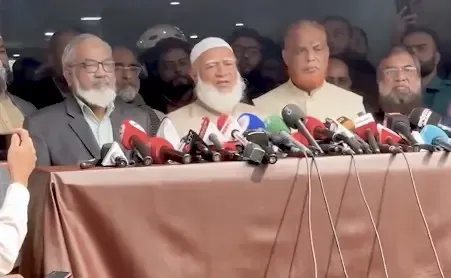
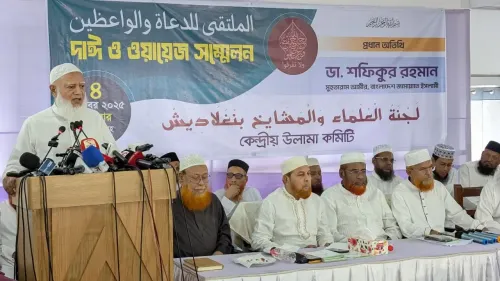
Shafiqur Rahman's Australia visit has drawn condemnation from the Australian Jewish Association (AJA) and the Australian Hindu Association (AHA), which questioned why the leader of Bangladesh's Islamist party Jamaat-e-Islami was allowed into the country. The organisations raised concerns about the four-day visit in a joint statement, citing the party's history and Rahman's past remarks.
In a post on X on Tuesday afternoon, Rahman thanked Bangladeshis in Australia for welcoming him. He also said he had postponed a planned one-day visit to Malaysia because of an urgent need and hoped to meet Bangladeshis living there in the near future.
Groups question entry and reported Sydney event
The associations said they were concerned that the Australian National Imams Council (ANIC) reportedly hosted Rahman at a luncheon in Sydney on 21 November, with Australian parliamentarians also reportedly present. They asked the Australian government to explain why he was permitted to enter and whether government representatives met him.
“Jewish and Hindu Australians understand the dangers of religious extremism and the importance of protecting minority communities,” the organisations said in their joint statement. The source account did not include a response from the government or ANIC to the questions raised.
Bangladesh war history and past remarks
The associations pointed to Jamaat-e-Islami's role during the 1971 Bangladesh Liberation War against Pakistan. Several former senior party leaders were subsequently convicted of war crimes and crimes against humanity, including atrocities against religious minorities, the groups said.
The organisations also said Rahman had praised Hamas leader Yahya Sinwar after his death, describing him as a “hero and martyr”. They said he mourned Hamas leader Ismail Haniyeh, who was killed in Iran, and prayed for him to be “accepted as a martyr”.
Rahman was arrested by Bangladesh's counterterrorism police in December 2022 over alleged links to a banned Islamist militant organisation. He spent approximately 15 months in detention before being released on bail; the source did not provide an outcome for the allegations.
Concerns about women and minorities
The joint statement said Rahman had declared that women could not lead his party, which fielded no female candidates in Bangladesh's 2026 election. It also cited a post published from his verified X account that compared women working outside the home to prostitution.
Amendra Singh, president of the AHA, alleged that radical Islamists had a role in violence and intimidation against Hindus in Bangladesh. He argued that welcoming those who supported or remained silent about such acts could undermine social cohesion in Australia.
Visa decisions and questions ahead
Robert Gregory, president of the AJA, contrasted Rahman's visit with the Australian government's decision to deny entry to former Israeli minister Ayelet Shaked and cancel the visa of Israeli parliamentarian Simcha Rothman, citing social cohesion and divisive rhetoric. He questioned the difference in treatment.
The groups' intervention brings together questions about minority safety, political expression and Australia's entry decisions. Whether the government or organisers respond to their specific questions about the visit remains to be seen.
Point of View
Transparent scrutiny, particularly when community organisations raise concerns about a political leader's record. Comparisons with other visa decisions are legitimate questions, but the relevant circumstances and legal grounds should be established before drawing conclusions. Authorities and event organisers should address the specific claims rather than leave communities to navigate competing allegations without an explanation.
NationPress
24 Nov 2026
Frequently Asked Questions
Why are Australian Hindu and Jewish groups opposing Shafiqur Rahman's visit?
The groups cite Jamaat-e-Islami's history, Rahman's past remarks and concerns about religious minorities. They have asked the Australian government why he was allowed to enter.
Where was Shafiqur Rahman reportedly hosted in Australia?
The Australian National Imams Council reportedly hosted Rahman at a Sydney luncheon on 21 November, according to the two associations. They said Australian parliamentarians were also reportedly present.
What did Shafiqur Rahman say about his visit?
Rahman thanked Bangladeshis in Australia for their welcome in a post on X. He also said he had postponed a one-day visit to Malaysia because of an urgent need.
Was Shafiqur Rahman previously arrested in Bangladesh?
Bangladesh's counterterrorism police arrested Rahman in December 2022 over alleged links to a banned Islamist militant organisation. He was released on bail after approximately 15 months in detention.
What have the Australian associations asked the government to explain?
They have asked why Rahman was permitted to enter Australia and whether any government representatives met him. The source account did not include a government response.