Jamaat-e-Islami using proxy groups to run anti-India campaigns in Bangladesh
Synopsis
Indian officials allege that Jamaat-e-Islami Bangladesh — widely believed to have ISI links — is engineering a web of proxy organisations to escalate anti-India sentiment while keeping the party's own hands clean. A new group, the Bangladesh Azad Party, burnt an effigy of Home Minister Amit Shah in Dhaka on 19 June, signalling how the strategy is already playing out on the streets.
Key Takeaways
Jamaat-e-Islami Bangladesh is allegedly operating through proxy groups to fuel anti-India campaigns while avoiding direct involvement, according to Indian officials.
On 19 June , the Bangladesh Azad Party (BAP) staged a protest in Dhaka , burning an effigy of Home Minister Amit Shah and attempting to march on the Indian High Commission .
Officials claim the BAP's membership is largely drawn from Jamaat cadres, making it a front organisation with plausible deniability.
The Jamaat holds 68 seats in Bangladesh's parliament; the Jamaat-led bloc commands 77 seats in total.
An Intelligence Bureau official alleged the ISI wants to frame India's immigration enforcement as a humanitarian crisis to target New Delhi at global forums.
Other groups said to back the Jamaat's agenda include the National Citizen Party , Islamic Andolan Bangladesh , Amar Bangladesh Party , Bangladesh Khilafat Angolan , and Nizam-e-Islam Party .
Jamaat-e-Islami Bangladesh is allegedly orchestrating a network of proxy organisations to fuel anti-India sentiment across Bangladesh, according to Indian officials, while keeping the party itself away from the frontline of protests. The strategy, officials say, is designed to let the Islamist party project a responsible opposition image even as affiliated groups escalate pressure on India-Bangladesh bilateral ties.
The Proxy Strategy
According to officials, the Jamaat-e-Islami does not want to be seen directly leading anti-India demonstrations, as it is seeking to position itself as a credible opposition force in Dhaka. Instead, the party has reportedly been encouraging the creation of smaller front organisations to carry out campaigns that serve its objectives while maintaining what one official described as 'plausible deniability'.
The Jamaat is widely believed to maintain close links with Pakistan's Inter-Services Intelligence (ISI). Officials allege the ISI is keen to disrupt the recent improvement in India-Bangladesh relations, particularly given Islamabad's sensitivity over the legacy of the 1971 Liberation War and its longstanding interest in retaining influence over Bangladesh's internal affairs.
The Bangladesh Azad Party Protest
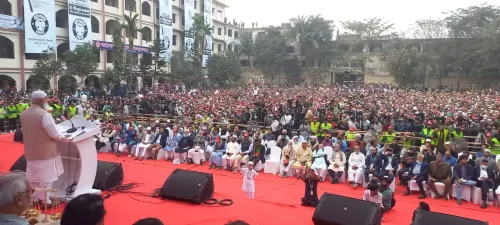
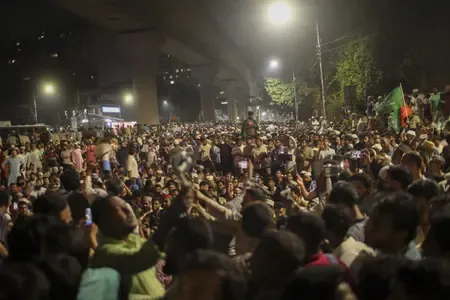
On 19 June, a relatively new outfit called the Bangladesh Azad Party (BAP) staged a demonstration in Dhaka, ostensibly to protest India's deportation and repatriation of illegal immigrants to Bangladesh. BAP activists attempted to march towards the Indian High Commission but were stopped by police. During the protest, demonstrators burnt an effigy of Union Home Minister Amit Shah.
Officials claim that although the BAP presents itself as an independent political party, its membership is largely drawn from individuals associated with the Jamaat. According to officials, the organisation was deliberately created to spearhead anti-India protests while insulating the Jamaat from direct accusations of undermining bilateral ties.
The Broader Network of Aligned Groups
The BAP is not the only group reportedly operating in this manner. Among the more prominent organisations is the National Citizen Party (NCP), a student-led group that emerged during the movement against former Prime Minister Sheikh Hasina's government. The NCP played a significant role in the protests that contributed to Hasina's ouster — a development officials say was also aimed at weakening India-Bangladesh ties, given New Delhi's historically close relationship with the Hasina administration.
Other parties said to back the Jamaat's agenda include the Islamic Andolan Bangladesh, Amar Bangladesh Party, Bangladesh Khilafat Angolan, and the Nizam-e-Islam Party.
India's Position and the Immigration Dispute
Officials maintain that India has acted strictly within the framework of law in addressing illegal immigration from Bangladesh. However, they allege that the Jamaat and the ISI are seeking to reframe the issue as a human rights crisis — a narrative intended to cast India in a negative light at international forums.
An Intelligence Bureau official said the core objective is not to resolve the immigration issue but to weaponise it. 'The Jamaat, at the behest of the ISI, wants to make it a humanitarian crisis created by India so that New Delhi can be targeted at global forums,' the official said.
Experts allege that the strategy of encouraging illegal immigration into India was itself conceived by the ISI and the Jamaat after the 1971 Liberation War, with the aim of triggering communal tensions and altering demographic patterns in certain regions of India.
India-Bangladesh Relations: Current State
In the general elections held in Bangladesh earlier this year, the Jamaat-e-Islami won 68 seats, emerging as the second largest party after Tarique Rahman's Bangladesh Nationalist Party (BNP). The Jamaat-led bloc holds a total of 77 seats in parliament.
Since Rahman assumed office, India-Bangladesh relations have seen a marked improvement, with both sides maintaining regular diplomatic engagement despite several outstanding issues including border security, trade relations, and migration. Officials noted that Rahman recognises the importance of strong ties with India, which has kept diplomatic channels open. Officials warn, however, that the Jamaat is likely to continue fostering new proxy organisations to intensify anti-India activities as bilateral negotiations on sensitive issues proceed.
Point of View
Where deniability is as important as disruption. What is notable here is the timing: these alleged manoeuvres are intensifying precisely as Tarique Rahman's government has moved to stabilise ties with New Delhi, suggesting the Jamaat views diplomatic normalisation as a threat to its own political space. The repatriation of illegal immigrants is a legitimate sovereign act, but its weaponisation as a 'humanitarian crisis' narrative — if the ISI link alleged by officials holds — could complicate India's position at multilateral forums. The deeper question mainstream coverage sidesteps is whether Bangladesh's civilian government has both the will and the institutional capacity to contain Jamaat-aligned mobilisation, or whether Dhaka's own political calculations will eventually constrain how far Rahman can go in defending the bilateral relationship.
NationPress
21 Sept 2026
Frequently Asked Questions
What is Jamaat-e-Islami Bangladesh allegedly doing against India?
According to Indian officials, Jamaat-e-Islami Bangladesh is encouraging the formation of proxy organisations to lead anti-India protests and campaigns, while keeping the party itself away from the frontline to maintain its image as a responsible opposition party. Officials allege the strategy is coordinated with Pakistan's ISI.
What happened at the Bangladesh Azad Party protest on 19 June?
On 19 June, the Bangladesh Azad Party (BAP) held a demonstration in Dhaka to protest India's deportation of illegal immigrants. Activists attempted to march towards the Indian High Commission but were stopped by police, and they burnt an effigy of Union Home Minister Amit Shah.
What is India's position on the illegal immigration issue?
Indian officials maintain that India has acted strictly within the framework of law in addressing illegal immigration from Bangladesh. Officials allege that the Jamaat and the ISI are seeking to reframe the issue as a human rights crisis to cast India in a negative light at international forums.
How strong is Jamaat-e-Islami in Bangladesh's current parliament?
In elections held earlier this year, Jamaat-e-Islami won 68 seats, making it the second largest party after Tarique Rahman's Bangladesh Nationalist Party (BNP). The Jamaat-led bloc holds a combined total of 77 seats in parliament.
Which other groups are allegedly aligned with Jamaat's anti-India agenda?
Apart from the Bangladesh Azad Party, officials point to the National Citizen Party (NCP), Islamic Andolan Bangladesh, Amar Bangladesh Party, Bangladesh Khilafat Angolan, and Nizam-e-Islam Party as groups willing to advance Jamaat's agenda against India-Bangladesh ties.