Ramaswamy Meets Ohio Anti-Poverty Leaders in Dayton
Synopsis
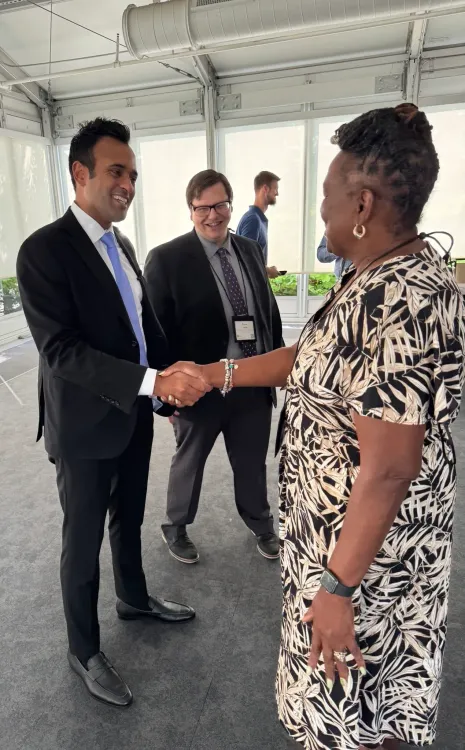
Entrepreneur Vivek Ramaswamy addressed the Ohio Association of Community Action Agencies in Dayton on 25 July 2026, meeting anti-poverty programme leaders and fielding impromptu audience questions. The former DOGE co-lead called for moving beyond political silos in a cross-partisan outreach unusual for a leading conservative figure.
Key Takeaways
Vivek Ramaswamy spoke to the Ohio Association of Community Action Agencies in Dayton on 25 July 2026 .
He engaged in extended impromptu Q&A with agency leaders working on anti-poverty programmes statewide.
Ramaswamy called for stepping outside 'political silos,' signalling a cross-partisan outreach posture.
Community Action Agencies are the primary local administrators of federal Community Services Block Grant funds, rooted in the Economic Opportunity Act of 1964 .
The meeting is notable given Ramaswamy's background as a co-lead of the DOGE advisory effort, which scrutinised federal spending including social programmes.
Analysts will watch for any subsequent policy positions on Ohio welfare funding or state budget proposals.
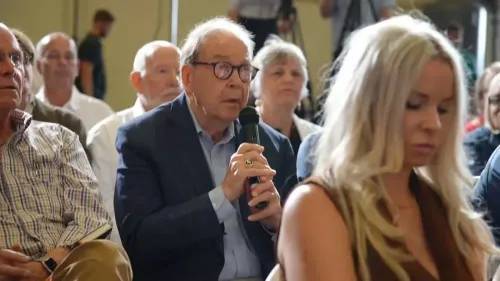
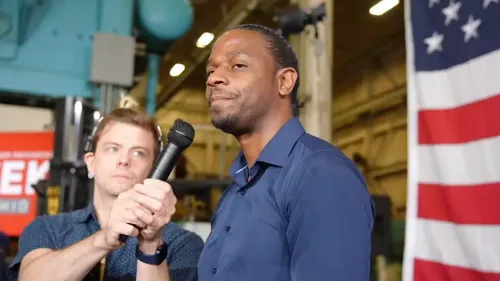
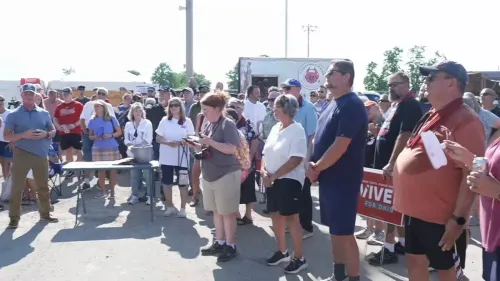
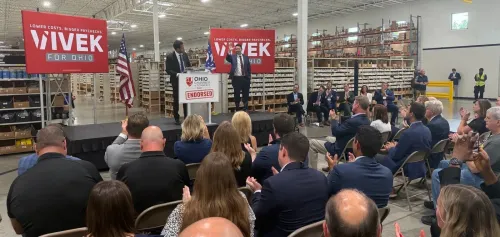
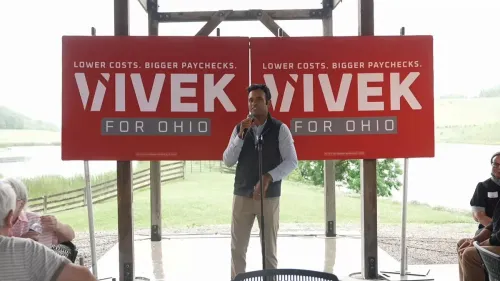
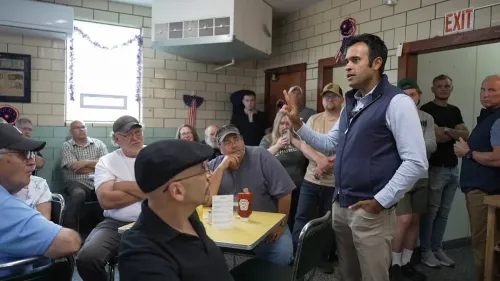
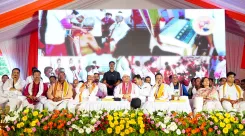
Entrepreneur Vivek Ramaswamy addressed leaders of the Ohio Association of Community Action Agencies in Dayton, Ohio, on Friday, 25 July 2026, engaging in an extended question-and-answer session with an audience working on anti-poverty programmes across the state.
Context
Ramaswamy, founder of Strive Asset Management and a former co-lead of the US Department of Government Efficiency (DOGE) advisory effort, posted on X that he 'appreciated the chance to speak' to the gathering and noted he 'enjoyed taking a lot of impromptu Q&A from the audience.' The Ohio-born entrepreneur, who ran for the 2024 Republican presidential nomination, has maintained active state-level engagement since the national campaign cycle concluded.
The meeting in Dayton brought together agency leaders who administer federal and state anti-poverty services across Ohio. Ramaswamy described the encounter as an opportunity to step outside 'political silos' — language that signals a cross-partisan outreach posture unusual for a figure closely associated with the conservative policy movement.
Policy Backdrop
Community Action Agencies trace their origins to the federal Economic Opportunity Act of 1964, which created them as the local delivery arm of President Lyndon Johnson's War on Poverty. Today they remain the primary administrators of federal Community Services Block Grant funds, channelling resources into housing, nutrition, employment, and energy-assistance programmes for low-income households.
The Ohio Association of Community Action Agencies is the statewide network that coordinates these local entities, advocating for funding and setting programme standards. Any shifts in federal block-grant allocations — a perennial point of contention in Washington budget cycles — directly affect the services these agencies can deliver on the ground.
Stakeholders and Impact
The primary beneficiaries of Community Action Agency programmes are low-income Ohio residents who rely on services ranging from early-childhood education to utility-bill assistance. For agency leaders, access to a prominent political figure with ties to federal efficiency initiatives carries both opportunity and risk: potential advocacy leverage on one hand, uncertainty about future funding philosophies on the other.
Ramaswamy's DOGE-adjacent background makes his attendance at a gathering of federally funded social-service administrators notable. His public framing — emphasising dialogue and shared purpose over ideological division — suggests an effort to build credibility with constituencies not typically aligned with the fiscal-hawk wing of the Republican Party.
What's Next
Observers will watch whether this engagement translates into concrete policy positions on Ohio state budget proposals or legislative action affecting Community Services Block Grant allocations. Ramaswamy has not announced a specific electoral or legislative agenda following his 2024 presidential run, but sustained outreach to social-service networks in his home state keeps his political profile active. The willingness of community-action leaders to host and question him publicly may itself signal a pragmatic openness to cross-partisan conversation on poverty policy.
Point of View
Engaging social-service administrators on their own turf is a deliberate image-broadening move. The 'outside our political silos' framing borrows from centrist political language, suggesting Ramaswamy is positioning himself for a future Ohio-based electoral or policy role that requires a broader coalition. Whether the outreach produces substantive policy alignment — or remains symbolic — will be the real test of its significance.
NationPress
24 Jul 2026
Frequently Asked Questions
Who is Vivek Ramaswamy and why is he meeting poverty agencies in Ohio?
Vivek Ramaswamy is an Ohio-born entrepreneur, founder of Strive Asset Management, 2024 Republican presidential candidate, and former co-lead of the DOGE advisory effort. He met with the Ohio Association of Community Action Agencies in Dayton on 25 July 2026 to engage with leaders running anti-poverty programmes across the state, calling for dialogue beyond political divisions.
What is the Ohio Association of Community Action Agencies?
The Ohio Association of Community Action Agencies is a statewide network that coordinates local agencies delivering federal and state anti-poverty services across Ohio. These agencies are the primary administrators of federal Community Services Block Grant funds, supporting programmes in housing, nutrition, employment, and energy assistance for low-income residents.
What are Community Action Agencies and how are they funded?
Community Action Agencies were created under the federal Economic Opportunity Act of 1964 as part of the War on Poverty. They are primarily funded through the federal Community Services Block Grant and administer a range of social services for low-income Americans at the local level.
What did Ramaswamy say at the Dayton event?
Ramaswamy said he appreciated the opportunity to speak to the gathering and noted that 'we all need to get outside of our political silos.' He also said he enjoyed taking impromptu questions from the audience, indicating an open and unscripted engagement with the agency leaders.
Is Vivek Ramaswamy planning to run for office in Ohio?
Ramaswamy has not announced a specific electoral campaign in Ohio following his 2024 Republican presidential run. However, his continued state-level engagement — including this meeting with community-action leaders — keeps his political profile active and is closely watched by political observers.