Ramaswamy Pushes Ohio Housing Fix: Cut Red Tape, Create Jobs
Synopsis
Vivek Ramaswamy posted on November 1, 2026, calling on Ohio to cut construction red tape and attract quality jobs to solve housing affordability for young residents, adding a pointed call for conservative leadership at the state's top.
Key Takeaways
Entrepreneur Vivek Ramaswamy posted on November 1, 2026 targeting Ohio 's housing affordability crisis for young residents.
He argued that reducing regulatory red tape on new home construction is central to expanding housing supply.
A parallel focus on attracting 'great jobs' is framed as a demand-side complement to the supply fix.
The post closes with a call for a 'competent, reasonable, conservative leader' for Ohio, carrying a clear political signal.
His argument fits a broader pattern of Republican state-level deregulation pushes on housing that gained traction in the early 2020s .
Ramaswamy is an Ohio -born entrepreneur, former 2024 Republican presidential candidate, and former co-lead of the DOGE advisory effort.
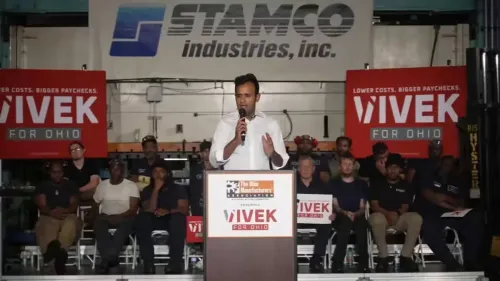
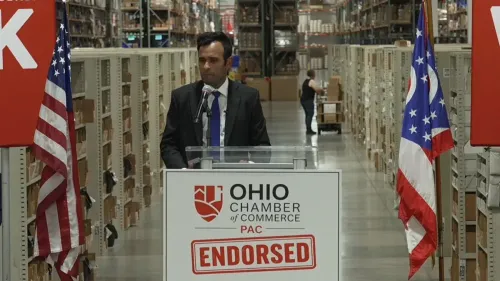
For young Ohioans dreaming of a first home, the math just doesn't add up — and entrepreneur Vivek Ramaswamy says the fix is simpler than politicians admit. In a post on Sunday, November 1, 2026, the Ohio-born founder of Strive Asset Management and former co-lead of the US Department of Government Efficiency (DOGE) advisory effort argued that deregulation and job creation are all that stand between hardworking young residents and homeownership.
Ramaswamy's message was pointed: 'Hardworking young Ohioans should be able to afford their first home and we know how to do it: cut red tape that impedes new home construction and attract great jobs for young workers to our state.' He closed with a clear political signal — 'All we need is a competent, reasonable, conservative leader at the top' — framing Ohio's housing crunch as a leadership problem as much as a policy one.
Why Ohio's Housing Squeeze Hits Young Buyers Hardest
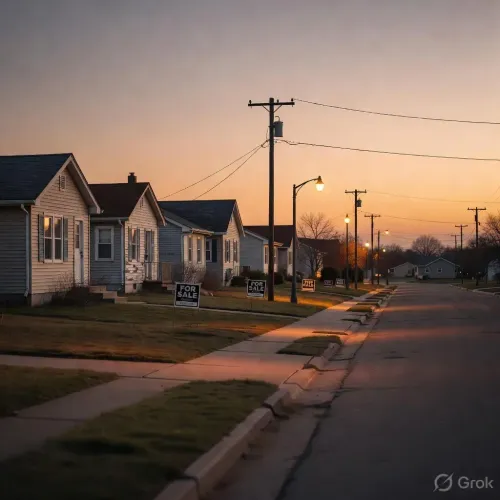
Ohio has faced mounting housing affordability pressure on younger residents, a pattern visible across much of the Midwest as rising construction costs, tight inventory, and wage stagnation collide. For first-time buyers in particular, the gap between income and entry-level home prices has widened steadily through the mid-2020s. That squeeze is the backdrop Ramaswamy is speaking directly into.
The conservative argument he is advancing — that zoning restrictions, permitting delays, and regulatory overhead suppress new housing supply — has been a consistent thread in Republican state platforms since the late 2010s. Several Midwestern and Sun Belt states moved early in the 2020s to ease local zoning and expedite residential permitting, producing early evidence that supply-side reforms can meaningfully lower construction timelines.
Deregulation as a Two-Lever Play: Supply Up, Wages Up
Ramaswamy's framing pairs supply-side housing reform with a second lever: attracting quality jobs to the state. The logic is straightforward — higher-paying employment lifts purchasing power, while a looser permitting environment grows the housing stock. Together, they are meant to close the affordability gap from both ends.
This dual approach mirrors the competitive playbook several states have deployed to win investment and talent, using a combination of tax incentives, streamlined permitting, and workforce development to position themselves against neighbours. For Ohio, a state with significant manufacturing heritage and an ongoing push to diversify into technology and advanced industries, the argument carries particular resonance.
The Leadership Kicker and What It Signals
The closing line — a call for a 'competent, reasonable, conservative leader' — is the political payload of the post. Ramaswamy, who built a national profile through his 2024 Republican presidential run before channelling that energy into the DOGE advisory effort, has maintained a visible presence in Ohio-focused policy debates. The phrasing stops short of a formal announcement but positions him squarely in the conversation around the state's executive leadership.
Whether the post is a policy statement, a pre-campaign signal, or both, the underlying argument will face its real test in Ohio's legislative chambers — where housing permitting reform bills have moved in fits and starts, and where the gap between platform rhetoric and enacted law remains the defining challenge for reformers of every stripe.
Point of View
He is effectively auditing Ohio's executive leadership against a conservative economic checklist at a moment when housing affordability has become a galvanising issue for younger voters across party lines. The 'competent, reasonable, conservative leader' formulation is crafted to distinguish itself from both perceived Republican extremism and Democratic regulatory instincts, occupying a pragmatic lane that could prove electorally useful in a competitive Midwestern state.
NationPress
1 Nov 2026
Frequently Asked Questions
What did Vivek Ramaswamy say about Ohio housing in November 2026?
Ramaswamy posted on November 1, 2026, calling for cutting regulatory red tape on new home construction and attracting quality jobs to Ohio, arguing these two steps would make homeownership affordable for young Ohioans.
How does deregulation help housing affordability?
The conservative argument holds that zoning restrictions and permitting delays limit new housing supply, keeping prices high. Easing those rules allows more homes to be built faster, which can lower costs for first-time buyers.
Is Vivek Ramaswamy running for office in Ohio?
Ramaswamy's November 2026 post does not constitute a formal announcement, but his call for a 'competent, conservative leader' for Ohio — combined with his political profile — has drawn attention to the possibility of a state-level run.
What is Vivek Ramaswamy's background in government?
Ramaswamy is the Ohio-born founder of Strive Asset Management, a 2024 Republican presidential candidate, and former co-lead of the US Department of Government Efficiency (DOGE) advisory effort.
Which US states have already cut housing red tape?
Several Midwestern and Sun Belt states passed zoning and permitting reforms in the early 2020s, with early evidence suggesting the changes shortened construction timelines and contributed to new housing supply.