CM Nitish Calls Bihar Youth to Lead Democracy via Youth Parliament
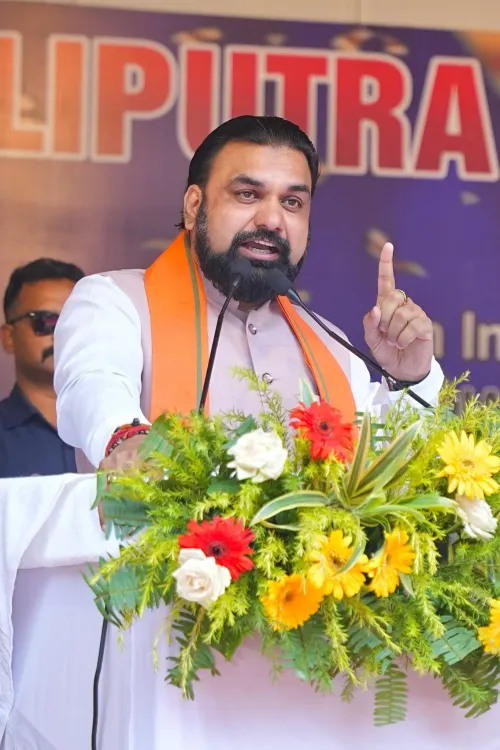
Synopsis
Bihar's Chief Minister's Office invoked the state's ancient republican heritage on 1 November 2026 as CM Nitish Kumar called on youth to strengthen democracy through the annual Pataliputra National Youth Parliament, connecting students to legislative processes and civic mainstream.
Key Takeaways
CM Nitish Kumar called on Bihar's youth to step forward to strengthen democracy through civic participation.
The Pataliputra National Youth Parliament is held every year in Bihar to familiarise students with parliamentary procedures.
The initiative draws on Vaishali 's ancient republican heritage, framing civic engagement as a Bihar tradition.
India's Ministry of Parliamentary Affairs has run youth parliament programmes nationally since the 1950s ; Bihar's version is state-specific.
The stated goal is to connect youth to both 'democratic processes' and the broader 'mainstream' of public life.
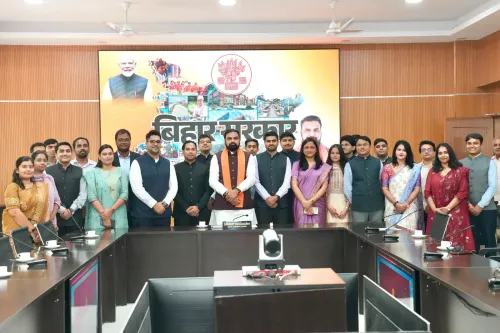
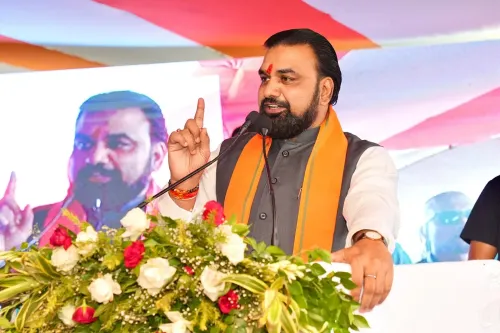
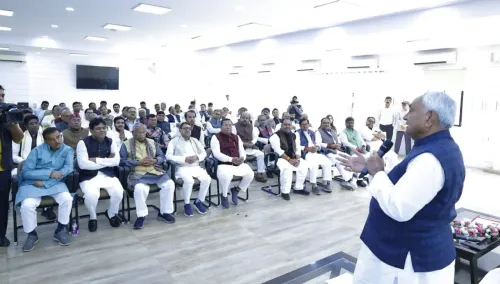
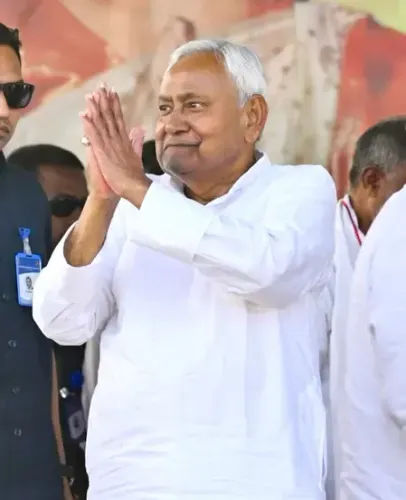
Democracy, Bihar's Chief Minister's Office declared on Sunday, 1 November 2026, has its roots in Bihar's own soil — and the state's youth must step forward to keep those roots strong. The statement came as Chief Minister Nitish Kumar renewed his call for young people to engage with democratic processes through the annual Pataliputra National Youth Parliament, held every year in Bihar.
The Chief Minister's Office posted on X: 'Loktantra ki jadein Bihar ki dharti se judi hain, isliye iski mazbooti ke liye yuvaon ko aage aana hoga' — 'The roots of democracy are tied to Bihar's soil; therefore, youth must step forward to strengthen it.' The message framed the Pataliputra National Youth Parliament not merely as a school exercise, but as a call to civic arms.
Bihar's ancient republican roots and a modern civic stage
The framing is deliberate and historically grounded. Bihar's Vaishali is widely regarded as one of the world's earliest recorded republican polities, giving the state a claim to democratic heritage that predates modern parliaments by millennia. CM Nitish Kumar has consistently invoked this lineage to argue that civic participation is not a foreign import but a Bihar tradition being revived.
The Pataliputra National Youth Parliament is the annual vehicle for that revival. The event simulates parliamentary procedures — debates, question hours, resolutions — placing Bihar students inside the machinery of governance, not merely as observers but as participants. India's Ministry of Parliamentary Affairs has run youth parliament programmes since the 1950s; Bihar's version adapts that national template with the specific identity and ambition of the state.
Connecting students to the mainstream
The official statement used a pointed phrase: connecting youth to 'loktantrik prakriya aur mukhyadhara' — 'democratic processes and the mainstream.' That dual formulation matters. Youth parliaments train students in legislative mechanics, but the 'mainstream' language signals a broader goal: drawing young Biharis into political life as active, informed stakeholders rather than passive voters.
Several Indian states run comparable exercises, but Bihar's programme gains particular weight from the state's demographic profile — one of India's youngest populations — and from its history of youth movements shaping national politics. Strengthening civic literacy here has implications that extend well beyond the state's borders.
Each annual edition of the Pataliputra National Youth Parliament will be the measure of whether this call translates into genuine, lasting civic engagement — not just a stage, but a starting line.
Point of View
The CM insulates the initiative from partisan critique and positions Bihar as a natural custodian of democratic values at the national level. With Bihar holding one of India's youngest demographic profiles, routing civic ambition through a structured parliamentary simulation is also a long-game investment in a politically consequential electorate. The programme's real test, however, lies in whether annual participation translates into measurable civic behaviour — voter turnout, local-body candidacy, public-service careers — rather than remaining a well-intentioned ceremonial exercise.
NationPress
2 Nov 2026
Frequently Asked Questions
What is the Pataliputra National Youth Parliament in Bihar?
The Pataliputra National Youth Parliament is an annual event held in Bihar that simulates parliamentary procedures, allowing students to experience debates, question hours, and resolutions to build familiarity with democratic governance.
Who organises the Pataliputra National Youth Parliament?
The event is organised under the initiative of the Bihar Chief Minister's Office, with CM Nitish Kumar being the driving force behind its annual conduct in the state.
Why is Bihar associated with the roots of democracy in India?
Bihar's ancient city of Vaishali is widely regarded as one of the world's earliest republican polities, giving the state a deep historical association with democratic and participatory governance traditions.
What is the history of youth parliament programmes in India?
India's Ministry of Parliamentary Affairs has been conducting national and state-level youth parliament competitions since the 1950s to train students in legislative processes and democratic participation.
What did CM Nitish Kumar say about youth and democracy in Bihar?
CM Nitish Kumar stated that the roots of democracy are tied to Bihar's soil and called on the state's youth to step forward to strengthen it, using the Pataliputra National Youth Parliament as the primary platform for connecting young people to democratic processes.