Pakistan airstrikes kill 36 in Afghanistan; rights body demands independent probe
Synopsis
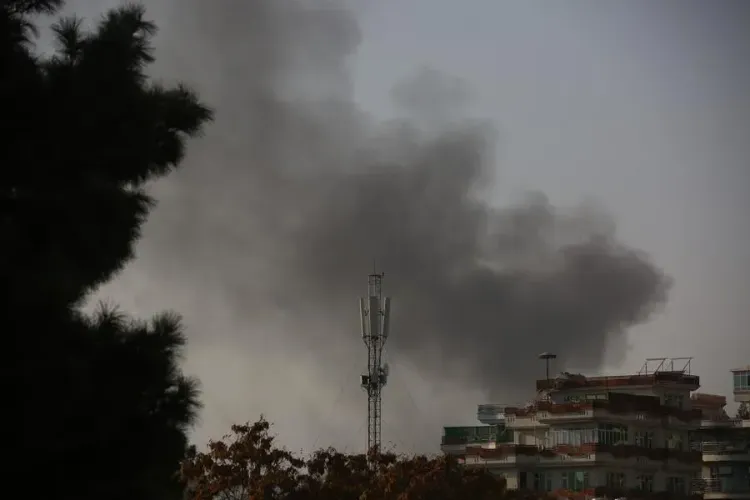
Pakistani military airstrikes on three Afghan provinces killed 36 civilians and wounded 163 in a single night — and now a leading international rights body is warning the attacks may violate the Geneva Conventions. With former President Hamid Karzai condemning the strikes as a sovereignty violation and the Taliban calling them a 'cowardly act of aggression,' pressure is mounting on Islamabad to answer for its targeting protocols.
Key Takeaways
Pakistani military airstrikes on 29 June hit Paktia, Paktika, and Kunar provinces in Afghanistan , killing 36 civilians and injuring 163 .
Three residential houses were completely destroyed, according to Taliban Deputy Spokesman Hamdullah Fitrat .
The International Human Rights Foundation (IHRF) warned the strikes may constitute serious violations of the Geneva Conventions and principles of IHL.
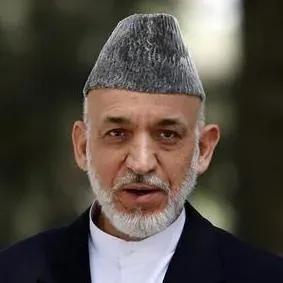
Former Afghan President Hamid Karzai condemned the strikes as a violation of national sovereignty in a post on X .
Taliban spokesperson Zabihullah Mujahid called the strikes a 'cowardly act of aggression' targeting civilian areas.
The IHRF has urged the United Nations and international human rights mechanisms to monitor developments and support fact-finding missions.
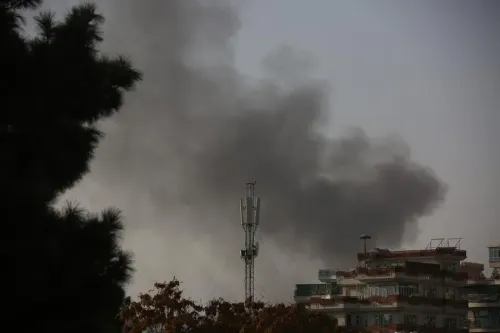
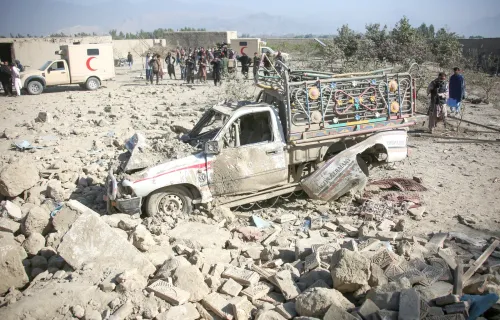
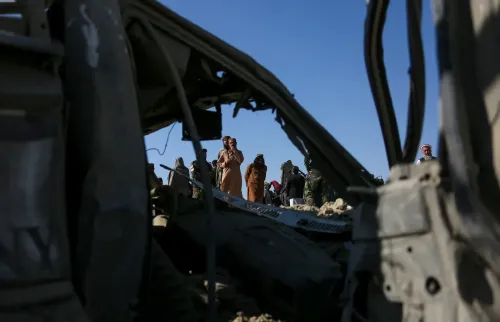
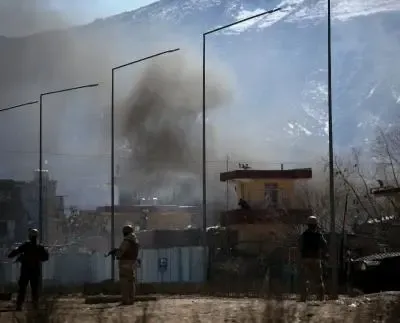
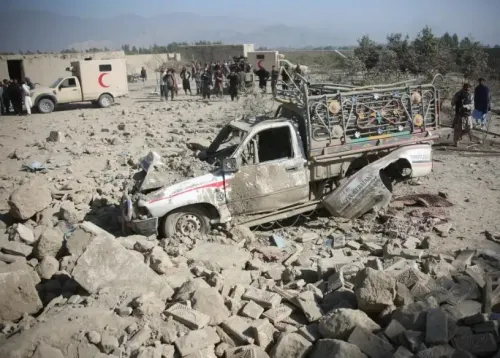
The International Human Rights Foundation (IHRF) on Monday, 29 June raised serious alarm over overnight Pakistani military airstrikes that struck civilian areas across Afghanistan's Paktia, Paktika, and Kunar provinces, killing at least 36 civilians — including women and children — and injuring 163 others. The organisation called for an immediate independent investigation, warning the strikes may constitute grave violations of international law.
What the Strikes Destroyed
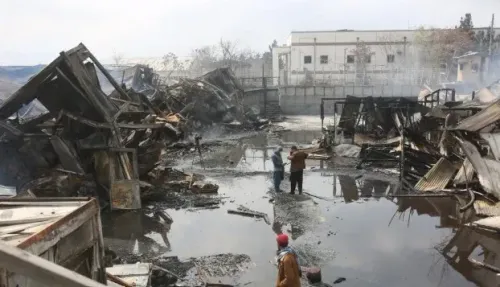
Taliban Deputy Spokesman Hamdullah Fitrat confirmed that the Pakistani military carried out the airstrikes on Sunday night, targeting Gayan District of Paktika Province, Tsamkani District of Paktia Province, and Manogai District of Kunar Province. According to Fitrat, three residential houses were completely destroyed in the attacks. The casualty figures — 36 dead and 163 wounded — were attributed to the Taliban administration.
Rights Body Flags IHL Violations
The IHRF stated that the 'reported strikes on civilian dwellings and the alleged subsequent targeting of rescue personnel raise grave concerns under International Humanitarian Law (IHL), particularly the principles of distinction, proportionality, and precaution.' The organisation further warned that 'the deliberate or indiscriminate attack on civilians and humanitarian responders may constitute serious violations of the Geneva Conventions and their Additional Protocols.'
The IHRF demanded that Pakistan immediately and transparently clarify the legal basis and targeting protocols governing the military operations, cooperate with independent investigations into alleged unlawful civilian casualties, and ensure unhindered humanitarian access to affected communities. It also urged the United Nations and relevant human rights mechanisms to rigorously monitor developments, document all incidents, and support fact-finding missions.
Karzai and Taliban Condemn the Strikes
Former Afghan President Hamid Karzai strongly condemned the airstrikes, describing them as a violation of Afghanistan's national sovereignty and contrary to international norms. In a post on X, Karzai offered condolences to the families of the killed and wished speedy recovery to the injured. He reiterated that 'Pakistan's best interest lies in abandoning its policy of belligerence and dual approach to extremism and engaging with Afghanistan on the basis of neighbourly principles and civilised relations.'
Taliban spokesperson Zabihullah Mujahid had earlier condemned the strikes, calling them a 'cowardly act of aggression' and a 'crime and an act of brutality.' Mujahid said the attacks targeted civilian areas and resulted in 'the deaths and injuries of dozens of civilians, including women and children.'
Broader Context and What Comes Next
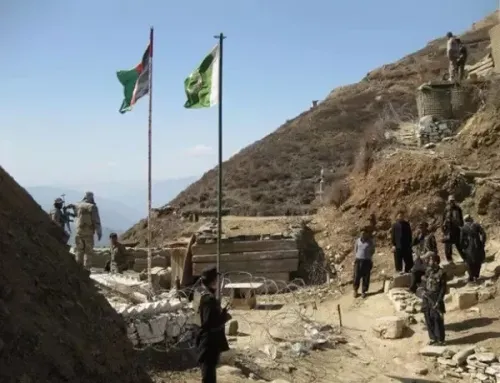
This is not the first time Pakistan has conducted cross-border strikes into Afghanistan since the Taliban returned to power in 2021. Islamabad has previously cited militant sanctuaries — particularly those of the Tehrik-i-Taliban Pakistan (TTP) — as justification for operations along the porous Durand Line. The Taliban administration, however, consistently denies providing shelter to anti-Pakistan groups. The latest strikes risk further destabilising an already fraught bilateral relationship, with the international community now being called upon to intervene diplomatically and ensure accountability.
Point of View
Kabul condemns, and the international community issues statements that rarely translate into accountability. What is different this time is the scale: 36 dead and 163 wounded in a single night is not a targeted operation gone wrong; it is a mass civilian casualty event by any IHL standard. The IHRF's invocation of the Geneva Conventions raises the stakes legally, but enforcement remains the central problem — Afghanistan has no seat at the UN Security Council, and Pakistan's strategic importance to major powers continues to insulate it from meaningful pressure. The deeper contradiction is that Islamabad's stated objective — eliminating TTP sanctuaries — has not been achieved through years of such strikes, raising legitimate questions about whether the operations serve a military purpose or a domestic political one.
NationPress
29 Jun 2026
Frequently Asked Questions
How many civilians were killed in the Pakistani airstrikes on Afghanistan on 29 June?
According to Taliban Deputy Spokesman Hamdullah Fitrat, the Pakistani military airstrikes on Sunday night killed 36 civilians and injured 163 others across Paktia, Paktika, and Kunar provinces. Three residential houses were also completely destroyed.
What violations has the IHRF flagged over the Pakistan airstrikes?
The International Human Rights Foundation (IHRF) warned that the strikes raise grave concerns under International Humanitarian Law, specifically the principles of distinction, proportionality, and precaution. It stated the attacks may constitute serious violations of the Geneva Conventions and their Additional Protocols, particularly given the alleged targeting of rescue personnel.
What did former Afghan President Hamid Karzai say about the strikes?
Hamid Karzai strongly condemned the airstrikes as a violation of Afghanistan's national sovereignty and contrary to international norms. In a post on X, he offered condolences to the victims and called on Pakistan to abandon its 'policy of belligerence' and engage with Afghanistan on the basis of neighbourly principles.
Why does Pakistan conduct airstrikes inside Afghanistan?
Pakistan has previously justified cross-border strikes by citing the presence of Tehrik-i-Taliban Pakistan (TTP) militants operating from Afghan soil. The Taliban administration consistently denies harbouring anti-Pakistan groups, and the strikes have remained a persistent source of bilateral tension since the Taliban returned to power in 2021.
What has the IHRF asked the international community to do?
The IHRF has urged the United Nations and relevant human rights mechanisms to rigorously monitor developments in Afghanistan, document all incidents of civilian harm, and support independent fact-finding missions. It also called on Pakistan to cooperate with impartial investigations and ensure unhindered humanitarian access to affected communities.