Pakistani airstrikes kill 36 civilians in Afghanistan's Paktia, Paktika, Kunar
Synopsis
Pakistani jets struck civilian homes in three Afghan provinces on Sunday night, killing 36 people — including women and children — and injuring 163 more. A double-strike in Tsamkani, where rescuers were bombed as they responded, accounts for the bulk of the deaths. It is the second major cross-border strike incident this month alone, and the Taliban's 'cowardly aggression' language signals a sharp deterioration in an already volatile bilateral relationship.
Key Takeaways
Pakistani military airstrikes on Sunday night, 29 June killed at least 36 civilians and injured 163 others across Paktia , Paktika , and Kunar provinces.
A double-strike in Mandokhail village, Tsamkani district — where rescuers were bombed — killed 28 people and injured 158 .
Six more civilians, mostly women and children, died in a strike on Walust village, Gayan district .
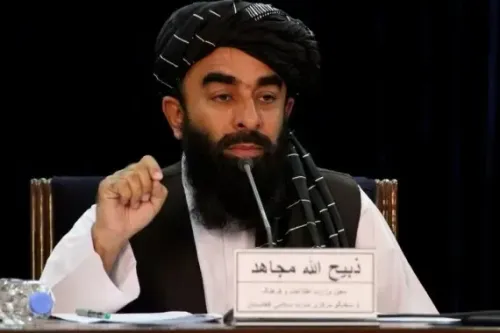
Taliban spokesperson Zabihullah Mujahid condemned the attacks as a 'cowardly act of aggression and an act of brutality.' Earlier in June, Pakistani strikes killed 13 civilians across Kunar, Khost, and Paktika, prompting Kabul to summon Pakistan's charge d'affaires.
Independent verification of casualty figures remains difficult due to restricted access to the affected districts.
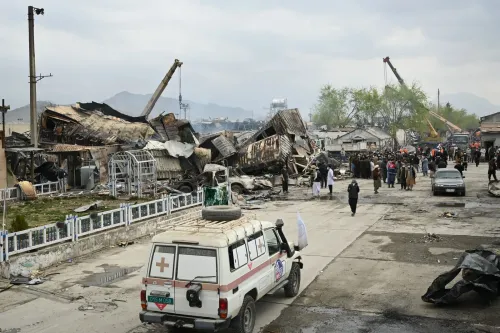
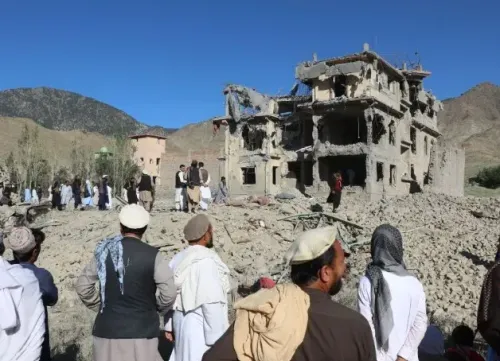
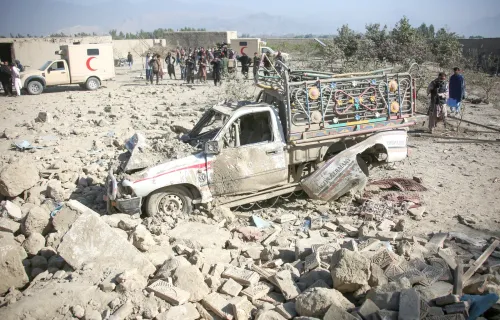
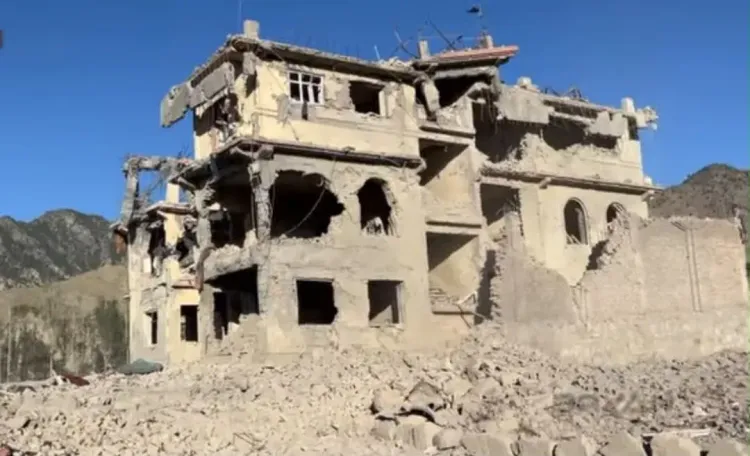
Pakistani military airstrikes on Sunday night, 29 June killed at least 36 civilians, including women and children, and injured 163 others across Afghanistan's Paktia, Paktika, and Kunar provinces, Taliban Deputy Spokesman Hamdullah Fitrat confirmed on Monday. Three residential houses were completely destroyed in the strikes, according to the Taliban administration.
What Happened on the Ground
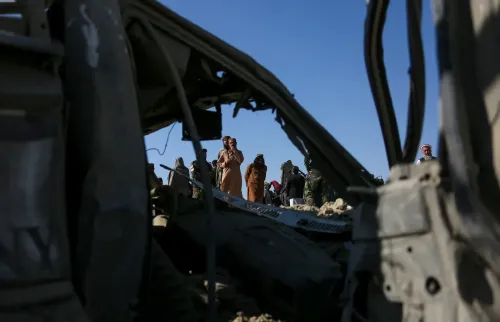
According to Fitrat, Pakistani jets bombed a civilian residence in Mandokhail village of Tsamkani district, Paktia, killing one elderly man and a child and injuring several family members. When local residents gathered to carry out rescue operations, the area was struck a second time — killing 28 villagers and injuring 158 others, he alleged.
In Walust village of Gayan district, Paktika, a separate airstrike hit another civilian residence, killing six individuals, the majority of whom were reportedly women and children. A further strike on Barolo village in Manogai district, Kunar, caused significant property damage, Fitrat said.
Taliban Condemns Strikes as 'Cowardly Aggression'
Taliban spokesperson Zabihullah Mujahid issued a sharp condemnation earlier on Monday, calling the strikes a 'cowardly act of aggression.' In his statement, Mujahid said: 'Last night, the Pakistani military once again carried out airstrikes on civilian areas in Gayan District of Paktika Province, Tsamkani District of Paktia Province, and Manogai District of Kunar Province, Afghanistan. The attacks resulted in the deaths and injuries of dozens of civilians, including women and children. We strongly condemn this cowardly act of aggression and consider it a crime and an act of brutality.'
A Pattern of Escalating Cross-Border Strikes
This is not an isolated incident. Earlier in June 2025, the Afghan Ministry of Foreign Affairs summoned Pakistan's charge d'affaires in Kabul to protest airspace violations and strikes on residential areas that killed 13 civilians. That incident, on the night of 9 June, targeted Afghanistan's Kunar, Khost, and Paktika provinces, killing 11 children, one woman, and one elderly man, while injuring 14 other women and children, according to Taliban spokesperson Mujahid.
The latest strikes mark a significant escalation in what has become a recurring pattern of cross-border military action, amid deepening tensions between Islamabad and the Taliban administration over the past several months. Exchanges of fire across the Durand Line and growing civilian casualty counts have drawn concern from regional observers.
Civilian Toll and What Comes Next
The cumulative civilian toll from Pakistani strikes on Afghan territory this month alone now runs into dozens of deaths and scores of injuries, based on Taliban-attributed figures. Independent verification of the casualty numbers remains difficult given restricted media access to the affected districts.
The Taliban administration has not yet announced formal retaliatory measures, but the tone of Mujahid's statement signals that diplomatic pressure — including further summoning of Pakistani diplomatic representatives — is likely. Regional powers and international observers will be watching whether the United Nations or neighbouring states call for restraint.
Point of View
And it is the detail least likely to receive it in the broader noise of bilateral posturing. Pakistan has not publicly acknowledged the strikes, which leaves the Taliban's casualty figures uncontested but also unverified. What is verifiable is the trajectory: two major strike incidents within three weeks, a cumulative death toll climbing past 50 civilians this month alone, and a diplomatic response limited to summoning a charge d'affaires. If Islamabad faces no meaningful international accountability, the operational calculus for further strikes remains unchanged — and the civilian toll will keep rising.
NationPress
28 Sept 2026
Frequently Asked Questions
How many civilians were killed in the Pakistani airstrikes on Afghanistan on 29 June?
At least 36 civilians, including women and children, were killed and 163 others were injured in Pakistani military airstrikes on the night of 29 June, according to Taliban Deputy Spokesman Hamdullah Fitrat. Three residential houses were completely destroyed in the attacks.
Which areas of Afghanistan were targeted in the strikes?
The strikes hit Gayan district in Paktika province, Tsamkani district in Paktia province, and Manogai district in Kunar province. Specific villages targeted included Mandokhail, Walust, and Barolo.
What did the Taliban say about the airstrikes?
Taliban spokesperson Zabihullah Mujahid condemned the strikes as a 'cowardly act of aggression' and called them 'a crime and an act of brutality.' Deputy Spokesman Hamdullah Fitrat confirmed the casualty figures and alleged that rescuers were bombed in a second strike in Tsamkani district.
Is this the first Pakistani airstrike on Afghanistan in June 2025?
No. Earlier in June, Pakistani strikes on Kunar, Khost, and Paktika killed 13 civilians — including 11 children, one woman, and one elderly man — and injured 14 others. Kabul subsequently summoned Pakistan's charge d'affaires to lodge a formal protest over airspace violations.
Has Pakistan responded to the Taliban's condemnation?
Pakistan had not publicly acknowledged or commented on the strikes as of the Taliban's Monday statement. Independent verification of the casualty figures remains difficult due to restricted media access to the affected districts.