Roof collapse kills 11 in Pakistan's Khyber Pakhtunkhwa during family gathering
Synopsis
A family gathering in Pakistan's Kohat district turned fatal on 15 July when a rain-weakened roof collapsed in Lachi tehsil, killing 11 people — mostly women and children. It is the latest in a string of monsoon-season structural failures across Khyber Pakhtunkhwa and Punjab, highlighting the deadly toll of substandard rural construction during heavy rainfall.
Key Takeaways
11 people were killed and several others injured after a roof collapsed in Lachi tehsil, Kohat district , Khyber Pakhtunkhwa on 15 July .
The collapse occurred during a family gathering ; 15 people were initially trapped under the debris.
Among the deceased identified: Basmeena (50) , Nawab Jana (45) , Farmeena (45) , and Arham (6) .
On 2 July , rain-related incidents in Punjab killed 2 and injured 9 in a single 24-hour period.
On 14 June , the PDMA recorded 7 deaths and 33 injuries from storms and rain across Khyber Pakhtunkhwa.
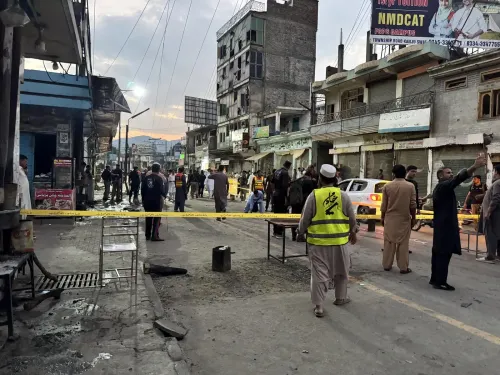
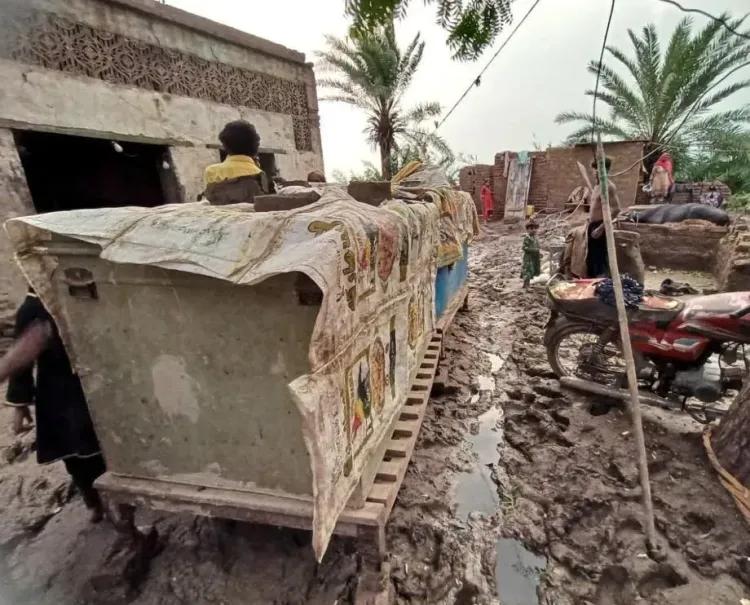
Eleven people, including women and children, were killed and several others injured after the roof of a house caved in during heavy rain in the Lachi tehsil of Kohat district in Pakistan's Khyber Pakhtunkhwa province on Wednesday, 15 July. The tragedy struck during a family gathering, leaving 15 people trapped under the rubble, according to local media reports.
How the Incident Unfolded
According to Rescue 1122 officials, the collapse occurred in the Malagin area of Lachi tehsil when heavy rainfall weakened the structure of the house where relatives had assembled. Rescue teams were deployed to the site and recovered all 15 trapped victims, transporting them to nearby hospitals.
Of those rescued, 11 succumbed to their injuries. The remaining injured received first aid before being referred to multiple hospitals for further treatment. Officials noted that the majority of the casualties were women and children. Among the deceased identified by name are Basmeena (50), Nawab Jana (45), Farmeena (45), and Arham (6).
Pattern of Rain-Related Deaths in Pakistan
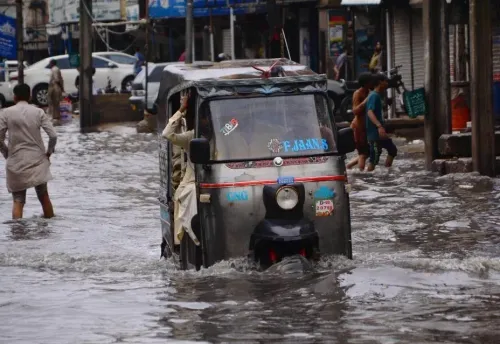
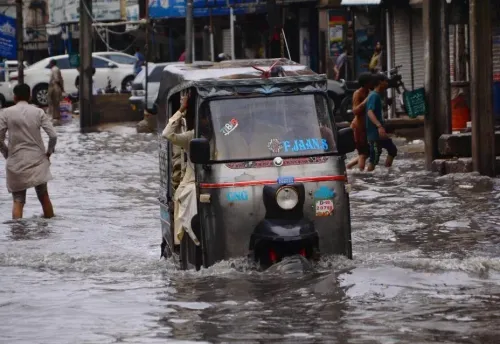
This is not an isolated incident. On 2 July, Rescue 1122 reported that at least two people were killed and nine others injured in rain-related incidents across Pakistan's Punjab province within a 24-hour period. Punjab Rescue 1122 spokesperson Farooq Ahmad attributed the casualties to the collapse of walls, roofs, and a billboard triggered by strong winds and heavy rain.
In those incidents, two people died and three were injured after a wall collapsed in Attock. In Para Shaheen Bagh, three people were injured when a roof caved in. One person was struck by lightning in Khushab's Qaidabad area, while another was hurt when a signboard fell in Sargodha. A wooden roof collapse in Sheikhupura also left one person injured.
Earlier Khyber Pakhtunkhwa Casualties in June
The Provincial Disaster Management Authority (PDMA) had earlier recorded at least seven deaths and 33 injuries from storm, lightning, and rainfall incidents across Khyber Pakhtunkhwa on 14 June. The deceased — four men, one woman, and two children — were from Bannu, Shangla, and Mansehra districts, where collapsing walls and roofs caused the bulk of casualties, according to the PDMA's damage assessment report.
Wider Context
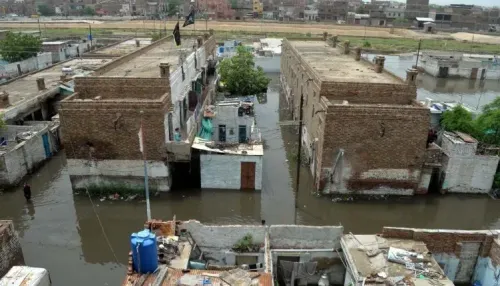
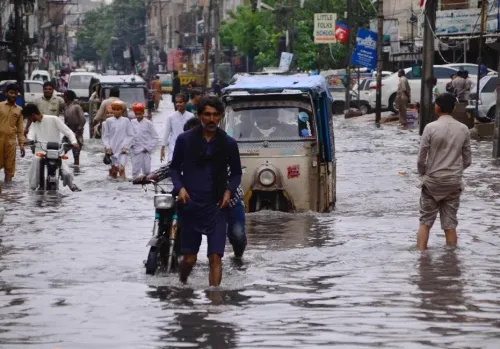
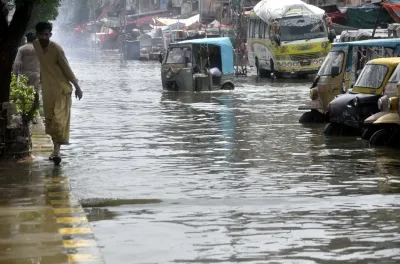
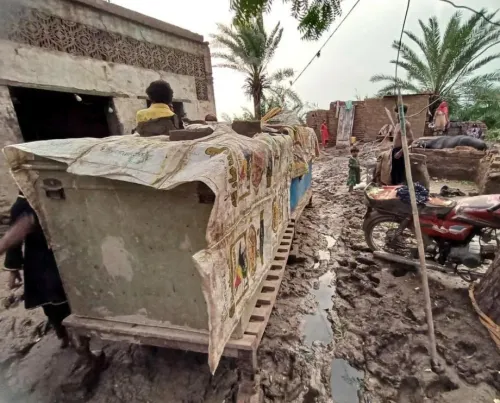
Pakistan's monsoon season routinely exposes the vulnerability of older mud-brick and low-grade construction in rural areas of Khyber Pakhtunkhwa and Punjab. Rescue 1122, the primary emergency response service in these provinces, has been stretched across multiple simultaneous incidents. The recurring nature of such tragedies has renewed calls for stricter enforcement of building codes and pre-monsoon structural inspections in high-risk districts. Authorities have yet to issue a formal statement on relief measures for the families affected in the 15 July Kohat incident.
Point of View
In terrain increasingly battered by intensifying monsoon rainfall. Each season, Rescue 1122 logs near-identical incidents; each season, the policy response is limited to body counts and condolences. The recurring geography of these deaths — Khyber Pakhtunkhwa, southern Punjab, Balochistan — points to a mapping problem that disaster management authorities already possess but have not translated into pre-monsoon intervention. Until building code enforcement reaches district and tehsil level, the monsoon will continue to be Pakistan's most predictable killer.
NationPress
14 Oct 2026
Frequently Asked Questions
What happened in Kohat district, Khyber Pakhtunkhwa on 15 July?
The roof of a house collapsed during heavy rain in the Malagin area of Lachi tehsil, Kohat district, while a family gathering was underway. Eleven of the 15 people trapped under the rubble were killed, and the remaining injured were hospitalised.
Who were the victims of the Kohat roof collapse?
Rescue 1122 officials confirmed that the majority of victims were women and children. Four of the deceased have been identified by name: Basmeena (50), Nawab Jana (45), Farmeena (45), and Arham (6).
What is Rescue 1122 and how did it respond?
Rescue 1122 is the primary emergency response service operating in Punjab and Khyber Pakhtunkhwa. Teams reached the Malagin site, recovered all 15 trapped individuals, and transported them to hospitals, where 11 were later confirmed dead.
Is this an isolated incident or part of a broader pattern?
It is part of a recurring pattern. On 2 July, rain-related collapses in Punjab killed 2 and injured 9 within 24 hours. On 14 June, the PDMA recorded 7 deaths and 33 injuries from storms and rain across Khyber Pakhtunkhwa alone.
Why are roof collapses so common in Pakistan during monsoon season?
Much of rural Pakistan's housing stock — particularly in Khyber Pakhtunkhwa and Punjab — is constructed with mud brick or low-grade materials that are highly susceptible to water damage. Heavy monsoon rainfall weakens these structures rapidly, and building code enforcement at the district and tehsil level remains limited.