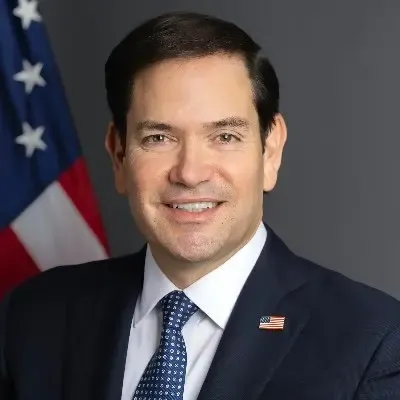
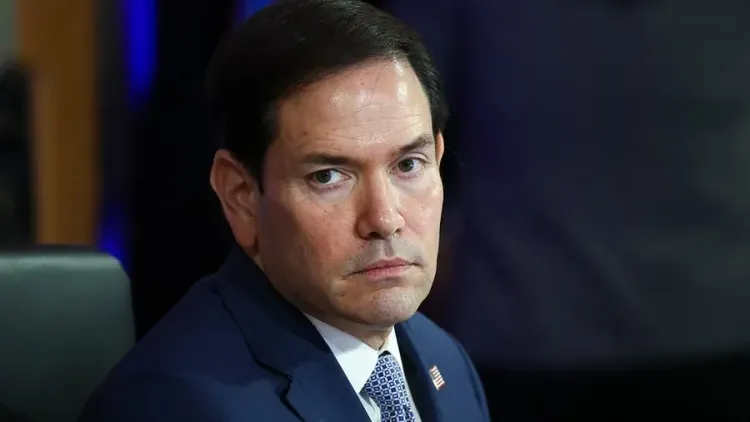
Rubio launches global campaign against ICC, says 5 nations have quit
Synopsis
The Trump administration has moved from seeking ICC reforms to actively recruiting countries to abandon the court — and claims five have already left. With 60 nations joining a Washington ministerial and Rubio calling the ICC 'illegitimate,' this is the most aggressive US posture toward international criminal justice in decades.
Key Takeaways
US Secretary of State Marco Rubio announced on 1 August that five countries have already withdrawn from the ICC since the Trump administration's campaign began roughly two weeks ago.
Rubio called the ICC 'an illegitimate international organization' for claiming jurisdiction over citizens of non-member states, including American military personnel .
Representatives from 60 countries attended a Washington ministerial meeting focused on countering what the administration described as politically motivated violence.
Rubio credited President Trump with facilitating the first official-level talks between Israel and Lebanon in close to 30 years .
Trump clarified that Rubio's ICC push was aimed at protecting allied leaders, not himself, saying 'there is no indication that I'm one of them at this moment.' US humanitarian teams were deployed to Venezuela within 36 hours of a recent earthquake, according to Rubio.
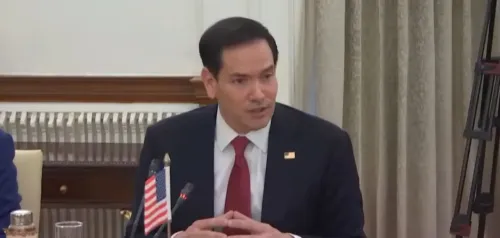
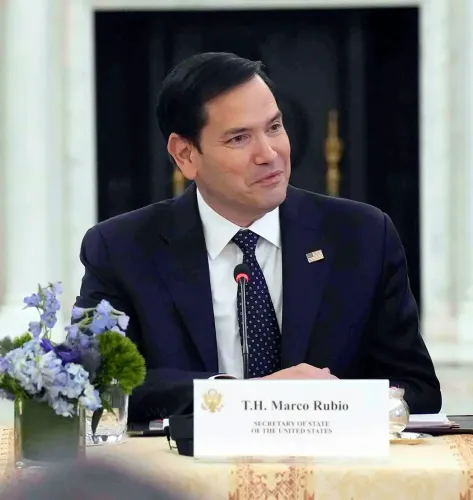
US Secretary of State Marco Rubio announced on 1 August that the Trump administration has launched a coordinated international campaign to curtail the authority of the International Criminal Court (ICC), claiming that five countries have already withdrawn from the court since the effort began. Rubio made the remarks during President Donald Trump's Cabinet meeting at Camp David, also addressing diplomatic developments in the Middle East and a shifting political landscape across Latin America.
The Case Against the ICC
Rubio described the ICC as an institution that had forfeited its legitimacy by asserting jurisdiction over citizens of non-member states. 'The International Criminal Court is an illegitimate international organization,' he said. 'They've made themselves illegitimate because they claim that even if you're not a member of that court, they can come after you.'
He warned that such overreach could expose American military personnel and political leaders to prosecution. 'What that literally means in the future is that American servicemen, political leaders and others could find themselves under indictment by this International Criminal Court,' Rubio said. Washington had initially sought internal reforms at the court, he noted, but pivoted to a harder line after those efforts failed. 'We've now begun an effort to really try to bring that court to heel,' he said.
Growing International Support
According to Rubio, the campaign has moved quickly since its launch roughly two weeks ago. 'We've had dozens of countries already join us in this effort since we started two weeks ago. Five countries have already quit the ICC and notified them that they're leaving and we think there'll be more,' he said. He did not name the five countries in his public remarks.
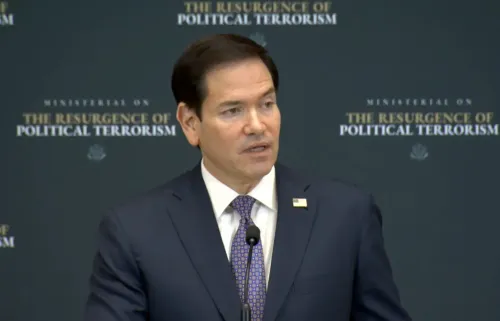
Rubio also referenced a ministerial gathering in Washington attended by representatives from 60 countries, focused on what the administration characterised as politically motivated violence. 'Sixty countries came to Washington and were a part of an effort where we were shedding light on far left terror and violence,' he said, adding that the administration aimed to build 'a strong coalition' to confront such groups.
Middle East Diplomacy
Turning to the Middle East, Rubio credited President Trump with facilitating a breakthrough between Israel and Lebanon. 'The deal with Lebanon and Israel is unprecedented,' he said. 'This is the first time the Israelis and the Lebanese government have spoken at the official level in close to 30 years.'
Rubio also welcomed what he described as progress on the disarmament of Hamas. 'As you announced last night, Mr. President, this disarmament deal that you brought about... is another big step, as well. It's something a lot of people thought would never happen,' he said.
Latin America and Venezuela
Rubio argued that the political landscape across Latin America had shifted in Washington's favour. 'For the first time in 15-20 years, the overwhelming majority of the countries in the Western Hemisphere are now led by pro-American leaders and pro-American governments,' he said, calling it 'an extraordinary achievement.'
He also praised the US humanitarian response to a recent earthquake in Venezuela, saying American personnel were deployed within 36 hours. 'It is one of the fastest, most dramatic and most effective humanitarian responses, certainly in recent history, if not ever,' Rubio said.
Trump Clarifies His Own Position
President Trump briefly intervened during Rubio's remarks to distance himself from the ICC campaign's personal optics. 'He's not trying to defend me. He is trying to defend Bibi and various other people,' Trump said. 'There is no indication that I'm one of them at this moment.' The clarification underscored the sensitivity surrounding the court's earlier actions targeting allied leaders.
With five nations already withdrawing and dozens more reportedly aligned with Washington's position, the administration's push against the ICC appears to be gaining momentum — though the long-term impact on the court's authority remains to be seen.
Frequently Asked Questions
Why is the US campaigning against the International Criminal Court?
The Trump administration argues the ICC has overstepped its mandate by claiming jurisdiction over citizens of countries that are not members of the court, which it says could expose American military personnel and political leaders to prosecution. Secretary of State Marco Rubio called the court 'illegitimate' on these grounds and said Washington shifted to an active campaign after earlier attempts at internal reform failed.
How many countries have left the ICC due to US pressure?
According to Rubio, five countries have formally notified the ICC of their withdrawal since the US campaign began approximately two weeks before his 1 August remarks. He said dozens more nations had joined the broader effort, though he did not name the departing states.
What did Rubio say about the Israel-Lebanon deal?
Rubio described the diplomatic engagement between Israel and Lebanon as 'unprecedented,' saying it marked the first time the two countries had communicated at an official government level in close to 30 years. He credited President Trump with driving the breakthrough.
Did Trump say the ICC campaign was meant to protect him personally?
No. Trump intervened during Rubio's remarks to clarify that the campaign was not aimed at shielding himself. 'He's not trying to defend me. He is trying to defend Bibi and various other people,' Trump said, adding that 'there is no indication that I'm one of them at this moment.'
What was the Washington ministerial meeting Rubio referenced?
Rubio described a recent ministerial gathering in Washington attended by representatives from 60 countries, focused on what the administration characterised as combating politically motivated violence from far-left groups. The administration said it aimed to build a 'strong coalition' through the initiative.