Russia warns Lithuania over NATO base, nuclear arms deployment plans
Synopsis
Russia issued a direct escalation warning to Lithuania on 6 October after Vilnius moved to lift its constitutional ban on weapons of mass destruction — a step that could allow NATO nuclear arms on its territory. With Lavrov simultaneously invoking Putin's nuclear doctrine over Poland's Patriot plans, Moscow appears to be running a coordinated deterrence campaign across its western flank ahead of Lithuania's final parliamentary vote in January 2027.
Key Takeaways
Kremlin Spokesman Dmitry Peskov warned on 6 October 2026 that a NATO military base or nuclear weapons in Lithuania would escalate tensions and trigger Russian retaliatory measures.
The Lithuanian parliament passed the first reading of a constitutional amendment to lift its ban on weapons of mass destruction; a final vote is scheduled for 12 January 2027 .
Foreign Minister Sergei Lavrov cited Russia's military doctrine last week, widely seen as a veiled nuclear warning, while commenting on Poland 's Patriot missile plans.
Poland has delivered approximately $5 billion in military aid to Ukraine since 2022 and is organising its 50th weapons tranche.
A controversy over Patriot missile transfers to Ukraine erupted in Poland in summer 2026 , with the opposition accusing the government of compromising national security.
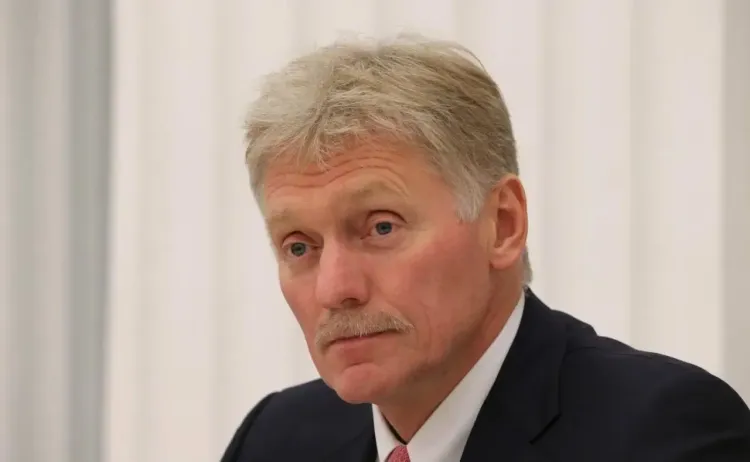
Kremlin Spokesman Dmitry Peskov on Tuesday, 6 October 2026, warned that the potential deployment of a NATO military base and nuclear weapons in Lithuania would trigger fresh escalation across Europe, and that Moscow would be compelled to take retaliatory steps to protect its national security. The remarks came hours after the Lithuanian parliament passed the first reading of a constitutional amendment that would lift a domestic ban on weapons of mass destruction, potentially paving the way for NATO nuclear arms to be stationed on Lithuanian soil.
What Peskov Said
'Both of these things will not contribute to stability and predictability on the European continent. On the contrary, they will become another significant round in the escalation of tensions,' Peskov said. He added that should such deployment proceed, Russia would be forced to respond with measures aimed at safeguarding its national security, without specifying the nature of those countermeasures.
Lithuania's Constitutional Move
The amendment clearing its first parliamentary reading on Tuesday marks a significant policy shift for Vilnius. A final vote on the measure has been scheduled for 12 January 2027. If passed at that stage, Lithuania would become eligible to host NATO nuclear assets — a development Moscow has flagged as a direct threat to European stability. The amendment reflects a broader trend of Baltic states seeking deeper integration into NATO's deterrence architecture amid the ongoing Russia-Ukraine conflict.
Lavrov's Nuclear Doctrine Warning
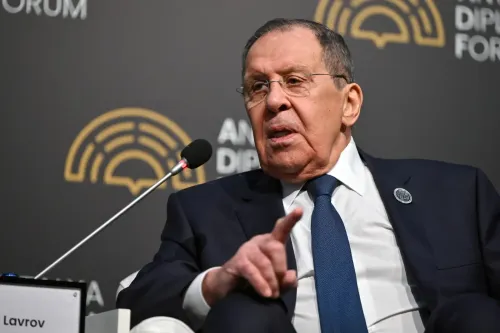
The Kremlin's reaction to Lithuania follows a pointed warning last week from Russian Foreign Minister Sergei Lavrov, who invoked Russia's military doctrine while commenting on Poland's plans to host Patriot missile production. 'We have a military doctrine on this matter, which the President of Russia, Vladimir Putin, has repeatedly quoted. I urge you to carefully study the relevant section of this most important document,' Lavrov told reporters on the sidelines of the 23rd annual meeting of the Valdai International Discussion Club. The remarks were widely interpreted as a veiled reference to Russia's conditions for potential nuclear use.
Poland's Patriot Missile Proposal and Ukraine Aid
Polish Deputy Defence Minister Magdalena Sobkowiak-Czarnecka separately confirmed that Warsaw had proposed joint production with Ukraine of missiles for Patriot air defence systems at a 'safe place', according to reports. Poland is currently organising its 50th tranche of military aid to Ukraine; the cumulative value of all weapons packages delivered to Kyiv since 2022 stands at approximately $5 billion. Notably, a controversy erupted in Poland in the summer of 2026 when it emerged that several Patriot missiles had been supplied to Ukrainian forces under a general NATO aid package — a move the Polish opposition alleged had compromised the country's own air defences.
What This Means for European Security
Russia's dual warnings — directed at both Lithuania and Poland — signal a deliberate effort to deter further NATO nuclear burden-sharing on its western flank. Analysts note that this is not the first time Moscow has invoked retaliatory language in response to NATO expansion moves, but the specificity of Peskov's remarks on Lithuania and Lavrov's doctrine citation in quick succession suggests a coordinated messaging campaign. The outcome of Lithuania's January 2027 final vote is now a key marker for the next phase of European security tensions.
Point of View
Naming retaliatory measures, and doing so publicly while Lithuania's amendment is still mid-passage. The real question is whether this kind of signalling hardens or softens Baltic resolve; historically, Russian warnings have accelerated NATO integration in frontline states rather than deterring it. The January 2027 final vote in Vilnius will be a genuine test of whether the threats carry enough weight to alter democratic legislative outcomes — or whether they merely deepen the very security anxieties driving these amendments in the first place.
NationPress
7 Oct 2026
Frequently Asked Questions
Why is Russia warning Lithuania over NATO nuclear weapons?
Russia is warning Lithuania because its parliament passed the first reading of a constitutional amendment on 6 October 2026 that would lift a domestic ban on weapons of mass destruction, potentially allowing NATO nuclear arms to be stationed there. Kremlin Spokesman Dmitry Peskov said such deployment would escalate tensions and force Moscow to take retaliatory measures.
What is Lithuania's constitutional amendment about?
The amendment, which cleared its first parliamentary reading on 6 October 2026, would remove Lithuania's constitutional prohibition on weapons of mass destruction. A final parliamentary vote is scheduled for 12 January 2027; if passed, it would legally open the door for Lithuania to host NATO nuclear assets.
What did Lavrov say about Russia's nuclear doctrine?
Russian Foreign Minister Sergei Lavrov last week urged observers to 'carefully study' the relevant section of Russia's military doctrine while commenting on Poland's Patriot missile plans, citing statements President Vladimir Putin has made repeatedly on the subject. The remarks were widely read as a veiled reference to Russia's stated conditions for potential nuclear escalation.
How much military aid has Poland given Ukraine?
Poland has delivered approximately $5 billion in military aid to Ukraine since 2022 and is currently organising its 50th tranche of weapons support. Warsaw has also proposed joint production with Ukraine of Patriot missile system munitions at a secure location.
What was the Patriot missile controversy in Poland?
In the summer of 2026, a scandal emerged in Poland after it was revealed that several Patriot missiles had been supplied to Ukrainian forces under a broader NATO aid package. The Polish opposition accused the government of damaging the country's own air defence capabilities by transferring the weapons.