South Korea widens Congo Ebola travel ban to 3 provinces
Synopsis
South Korea has raised its travel warning for Ituri Province in the DRC to Level 4 — its highest — while expanding no-travel zones to three provinces as Ebola-linked deaths in eastern Congo surpass 160. With Uganda and South Sudan also flagged as priority quarantine countries, Seoul is bracing for a widening regional health emergency.
Key Takeaways
South Korea expanded its DRC travel ban to three provinces — Ituri , North Kivu , and South Kivu — effective 2 pm, 22 May .
Ituri Province received a Level 4 alert, the highest in South Korea's four-tier travel warning system.
A Level 3 advisory was issued for areas within 50 km of the Central African Republic border and 7 other DRC provinces .
The Korea Disease Control and Prevention Agency (KDCA) designated the DRC, Uganda, and South Sudan as priority Ebola quarantine management countries.
Suspected Ebola deaths in eastern DRC have surpassed 160 , according to reports.
South Korean nationals in no-travel zones without authorisation face penalties under the country's passport law .
South Korea's foreign ministry on Friday, 22 May announced an expansion of its travel ban in the Democratic Republic of the Congo (DRC) to cover three provinces, citing the rapid spread of Ebola virus disease and a rising death toll exceeding 160 suspected fatalities. The move reflects Seoul's sharpest travel-risk escalation for the central African nation since the current outbreak began.
New Travel Restrictions
Effective 2 pm Friday, South Korea upgraded Ituri Province to a Level 4 travel alert — the highest tier in the country's four-tier warning system — due to the continued rise in Ebola-linked deaths. This brings the total number of no-travel zones in the DRC to three, adding Ituri to the already-restricted North Kivu and South Kivu provinces.
South Korean nationals who visit or remain in these designated zones without exceptional passport-use authorisation risk punishment under the country's passport law, the ministry warned.
Broader Advisory Across the Region
Beyond the three no-travel provinces, the ministry also issued a Level 3 alert — recommending departure — for areas within 50 kilometres of the border with the Central African Republic, as well as seven additional DRC provinces, including Bas-Uele and Haut-Uele. A general special travel advisory remains active for the rest of the DRC.
The day prior, on Thursday, Seoul extended a special travel advisory to all of Uganda, after the Korea Disease Control and Prevention Agency (KDCA) designated the DRC, Uganda, and South Sudan as priority quarantine management countries for Ebola.
Scale of the Outbreak
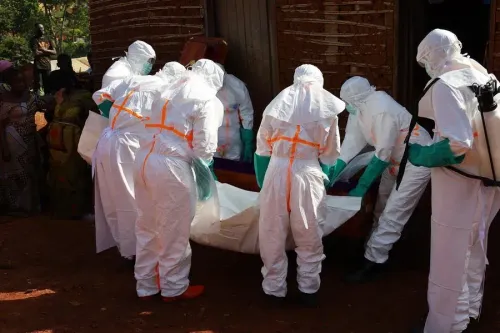
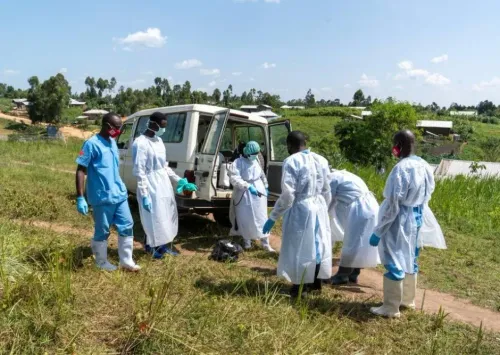
The Ebola outbreak in eastern DRC has been escalating rapidly, with more than 160 suspected deaths reported, according to foreign media reports. The disease has historically spread through direct contact with bodily fluids of infected individuals, making containment in conflict-affected eastern DRC particularly difficult. This is not the first time the region has battled Ebola — the DRC has recorded multiple outbreaks over the past decade, with the 2018–2020 North Kivu outbreak being among the deadliest in history.
What Comes Next
The South Korean foreign ministry stated it will continue monitoring the situation and review whether further travel warning adjustments are necessary. The KDCA's designation of three countries as priority quarantine management zones signals that health authorities are preparing for potential imported cases. Travellers with pending plans to the DRC, Uganda, or South Sudan are advised to consult the latest official advisories before travel.
Point of View
Suggesting the KDCA sees cross-border transmission as a credible risk, not a hypothetical. The DRC's eastern provinces have been a revolving door for Ebola outbreaks, and international travel advisories, while necessary, do little to address the structural drivers — conflict, weak health infrastructure, and limited surveillance — that allow the virus to resurge. The real question is whether the global health architecture will mobilise faster than it did in 2018.
NationPress
19 Sept 2026
Frequently Asked Questions
Why has South Korea widened its travel ban in the DRC?
South Korea expanded its travel ban in the Democratic Republic of the Congo to three provinces — Ituri, North Kivu, and South Kivu — due to the rapid spread of Ebola virus disease and more than 160 suspected deaths. The foreign ministry issued a Level 4 alert for Ituri Province on 22 May, citing a continued rise in fatalities.
What does a Level 4 travel alert mean for South Korean nationals?
A Level 4 alert is the highest tier in South Korea's four-tier travel warning system and effectively prohibits travel to the designated area. South Korean nationals who visit or remain in Level 4 zones without exceptional passport-use authorisation may face legal penalties under the passport law.
Which countries has the KDCA flagged as Ebola priority quarantine nations?
The Korea Disease Control and Prevention Agency designated the Democratic Republic of the Congo, Uganda, and South Sudan as priority quarantine management countries for Ebola. A special travel advisory was also issued for all of Uganda on Thursday, 21 May.
How serious is the current Ebola outbreak in the DRC?
The outbreak in eastern DRC has been escalating rapidly, with more than 160 suspected deaths reported. The affected provinces — Ituri, North Kivu, and South Kivu — have a history of Ebola outbreaks, with the 2018–2020 North Kivu outbreak among the deadliest on record.
What other DRC regions are under South Korean travel advisories?
Beyond the three no-travel provinces, South Korea issued a Level 3 departure-recommended alert for areas within 50 kilometres of the Central African Republic border and seven additional DRC provinces, including Bas-Uele and Haut-Uele. A general special travel advisory covers the remainder of the country.