Ukraine peace without Kyiv is 'not doable', says Polish FM Sikorski at G20
Synopsis
At the G20 in Washington, Polish FM Sikorski drew a hard line: any Russia-Ukraine settlement that sidelines Kyiv is a non-starter. With Europe financing the war effort, wielding frozen Russian assets, and now facing alleged Russian drone incursions on NATO soil, Sikorski's message was pointed — Europe has leverage, intends to use it, and will not be pressured into a peace that rewards aggression.
Key Takeaways
Polish FM Radosław Sikorski declared on 31 October 2026 that a Ukraine peace settlement without Kyiv's participation is 'simply not doable.' Sikorski said the full-scale war is in its fifth year , while Russia's Donbas campaign has lasted 13 years .
He alleged Russia fired a cruise missile that exploded ~100 km inside Poland and sent 21 decoys into Polish airspace.
Europe is financing Ukraine's war effort after the United States ceased providing financial support, Sikorski said.
He linked Russia's return to European energy markets to a fair end to the war, noting Russia now sells energy at a steep discount elsewhere.
Lockheed Martin has announced a Patriot missile servicing centre in Poland , which Sikorski welcomed.
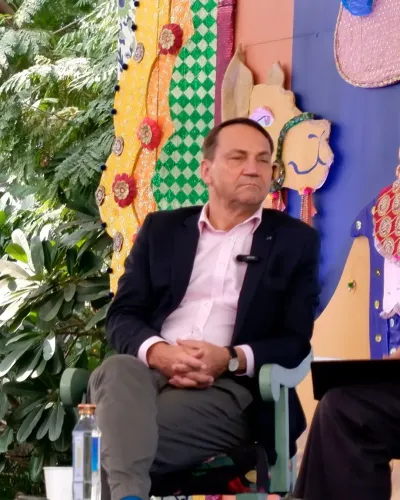
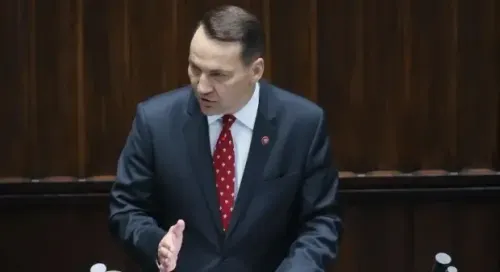
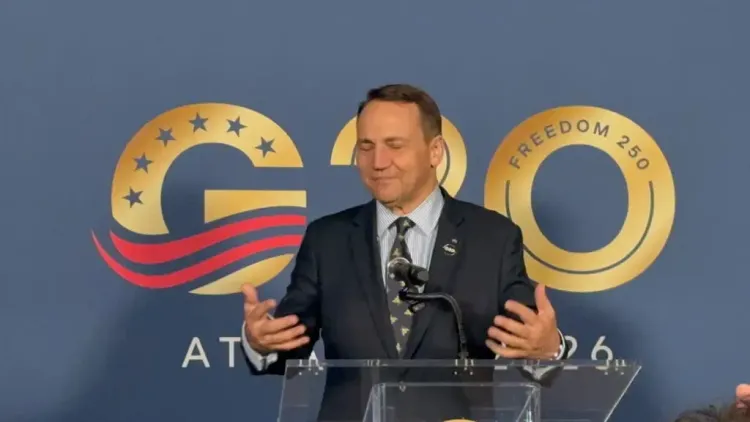
Polish Foreign Minister Radosław Sikorski declared on 31 October 2026 that the Russia-Ukraine war cannot be resolved without Kyiv's direct participation, insisting that any peace settlement imposed by outside powers would be 'simply not doable.' His remarks came during a press conference on the sidelines of the G20 meeting in Washington.
Sikorski Rejects Bypassing Ukraine and Europe
When asked whether a proposed trilateral meeting involving the United States, China, and Russia to seek an end to the conflict had been discussed, Sikorski said plainly: 'No, it wasn't.' He argued that both Ukraine and Europe retained meaningful leverage over any eventual settlement, pointing to Europe's role in sustaining Kyiv's war effort through frozen Russian assets, financial assistance, and procurement of American weapons, equipment and ammunition for Ukraine. 'Europe also has cards,' he said.
The War in Context: Fifth Year of Full-Scale Fighting
Sikorski noted that the full-scale war is now in its fifth year, while Russia's broader effort to seize the Donbas region has been ongoing for 13 years. He said Russia's offensive had come at a heavy cost in troops and that Ukraine had recovered territory. Responding to concerns that Western pressure might push Kyiv toward an unfavourable settlement, Sikorski was unequivocal: 'And we need to stay the course.' He added that Russia was counting on further mobilisation and winter conditions, and that sustaining Ukraine through winter was Europe's most effective response — one he said Europe was already delivering.
Energy Leverage and US Sanctions Pressure
On the question of energy, Sikorski tied any future Russian return to European energy markets — once Russia's most lucrative export destination — to a fair end to its war against Ukraine. He noted that most European countries had sharply reduced energy purchases from Russia, imposing a financial cost on Moscow for pursuing the conflict. Russia, he said, was now selling energy elsewhere at a steep discount. Poland, he added, had no intention of becoming dependent on energy from a country that invaded its neighbours. Asked whether the United States had pressured Europe over sanctions, Sikorski replied directly: 'No, it didn't pressure us.'
Russian Hybrid Warfare Allegations
Sikorski levelled serious allegations of Russian hybrid activity across Europe, accusing Moscow of waging a campaign in which people had died, including in Poland. He alleged that Russian armed drones had flown over NATO territory, that a Russian cruise missile had exploded approximately 100 kilometres inside Poland, and that Russia had sent armed drones to target a civilian airport in Germany as well as 21 decoys into Polish airspace. Describing these as 'highly provocative and dangerous acts,' he defined hybrid warfare as involving physical attacks that fall below the threshold of a formal invasion. Sikorski rejected matching such tactics with assassinations or arson: 'We are not going to do what they do.'
Patriot Missile Servicing Centre and the Road Ahead
The minister also welcomed plans by Lockheed Martin to establish a centre in Poland to service Patriot missiles, calling it a meaningful step in the country's defence posture. This comes amid broader NATO discussions on sustaining air-defence infrastructure closer to the eastern flank. Russia launched its full-scale invasion of Ukraine in February 2022; the European Union has since expanded sanctions first imposed following Russia's annexation of Crimea in 2014, targeting finance, energy, and trade. Whether Europe's resolve holds through another winter will be a defining test of the Western coalition's staying power.
Point of View
Frozen assets, and energy leverage is a calculated reminder that the Western coalition is not a monolith deferring to Washington. Yet the credibility of that posture rests on European unity through another difficult winter, and that unity is not guaranteed. The hybrid warfare allegations — drones over NATO territory, a cruise missile inside Poland — are escalatory claims that, if verified, raise uncomfortable questions about NATO's Article 5 threshold and whether Europe's 'stay the course' rhetoric can survive a direct kinetic provocation.
NationPress
31 Oct 2026
Frequently Asked Questions
What did Polish FM Sikorski say about Ukraine peace talks at the G20?
Sikorski said any peace settlement imposed by 'outside factors' without Ukraine's direct participation is 'simply not doable.' He argued that both Ukraine and Europe retain meaningful leverage over any eventual resolution of the conflict.
Why does Sikorski argue Europe has influence over the Ukraine conflict?
He pointed to Europe's role in sustaining Ukraine through frozen Russian assets, financial assistance, and procurement of American weapons and ammunition. He also noted that repeated criticism of Europe by Russian FM Lavrov suggested Moscow itself recognised European governments' influence over the conflict.
What hybrid warfare allegations did Sikorski make against Russia?
Sikorski alleged that Russia had waged a hybrid campaign causing deaths across Europe, including in Poland. Specifically, he claimed a Russian cruise missile exploded about 100 kilometres inside Poland, drones flew over NATO territory, and 21 decoys were sent into Polish airspace, calling these 'highly provocative and dangerous acts.'
Has the United States continued to financially support Ukraine, according to Sikorski?
No. Sikorski stated that the United States had ceased providing financial support to Ukraine and that Europeans were now financing the war effort. He stressed that sustaining Ukraine through winter was the most effective European response.
What is the Patriot missile servicing centre in Poland that Sikorski mentioned?
Sikorski welcomed an announcement by Lockheed Martin to establish a centre in Poland dedicated to servicing Patriot air-defence missiles. He described it as a positive step for Poland's and NATO's eastern flank defence posture.