Have More South Koreans and Their Families Evacuated Iran Amid Ceasefire with Israel?

Synopsis
In a significant development, ten South Koreans and their Iranian relatives have successfully evacuated Iran following a ceasefire between Iran and Israel. This article highlights the ongoing evacuation efforts and the broader implications of the conflict.
Key Takeaways
66 South Koreans have evacuated Iran since hostilities began.
The South Korean government is actively facilitating evacuations.
The ceasefire was declared on June 24, 2023.
Evacuations highlight the importance of diplomatic efforts in crises.
Transportation arrangements were made for safe passage to Turkmenistan and Jordan.
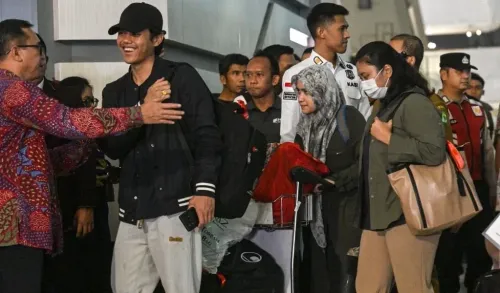
Seoul, July 4 (NationPress) Ten additional South Koreans along with their Iranian family members successfully evacuated from Iran following a ceasefire agreement between Iran and Israel that brought an end to recent hostilities, the Foreign Ministry reported on Friday.
One South Korean citizen and two Iranian nationals departed from Tehran via a land route and reached Turkmenistan safely between Wednesday and Thursday, according to a ministry announcement.
In a separate operation, seven South Korean citizens took a flight out of Iran, transiting through Oman and Dubai, ultimately returning home on Friday, as reported by the Yonhap news agency.
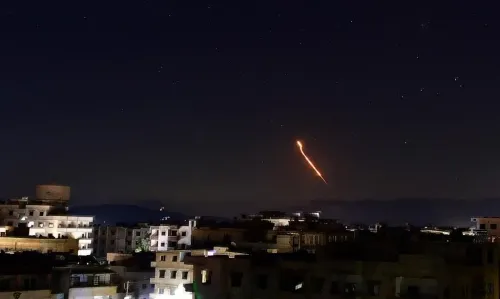
Since the onset of the Iran-Israel conflict, which escalated with Israeli airstrikes on Iranian territory last month, a total of 66 South Koreans have left Iran, as confirmed by the ministry.
Previously, on June 24, a group of 150 South Korean nationals and their families were evacuated amid the rising tensions between the two nations.
The South Korean government facilitated the escape of 56 individuals to Turkmenistan and 26 others to Jordan, providing essential support such as transportation and consular aid.
Earlier, on June 19, 20 South Korean individuals and their families successfully evacuated Iran via a land route, making their way to Turkmenistan.
Eighteen South Koreans, along with two Iranian family members, crossed into the Central Asian nation using transportation arranged by the South Korean government and arrived in Ashgabat, the capital.
The eastern border land route taken by the government spans approximately 1,200 kilometers and typically requires around 16 hours of bus travel without breaks.
A rapid response team dispatched from Seoul was present in Turkmenistan to aid in the evacuation efforts.
On June 13, Israel initiated extensive airstrikes across multiple Iranian sites, targeting nuclear and military installations.
High-ranking military officials, including Chief of Staff of the Iranian Armed Forces, Mohammad Bagheri, and Chief Commander of the Islamic Revolution Guards Corps (IRGC), Hossein Salami, along with notable nuclear scientists, were reportedly killed during these strikes.
On June 24, U.S. President Donald Trump declared that a formal agreement had been reached between Israel and Iran to enact a comprehensive ceasefire, symbolizing the conclusion of what he termed the '12-Day War.'
Point of View
It is paramount to acknowledge the government's timely response in ensuring the safety of South Koreans in volatile regions. The ongoing evacuation efforts underline the importance of diplomatic engagements and proactive measures in safeguarding citizens during international crises.
NationPress
5 Oct 2026
Frequently Asked Questions
How many South Koreans have evacuated Iran?
A total of 66 South Koreans have evacuated Iran since the conflict escalated.
What support did the South Korean government provide?
The government facilitated transportation and consular assistance for those escaping Iran.
What triggered the evacuation of South Koreans?
The evacuation was triggered by escalating hostilities between Iran and Israel.
When was the ceasefire declared?
The ceasefire was announced on June 24 by U.S. President Donald Trump.
How many individuals were evacuated on June 24?
On June 24, 150 South Korean nationals and their families were evacuated.