What Did South Korea's Defence Chief Emphasize About Air Defence and Anti-Terror Readiness?
Synopsis
In a significant move for national security, South Korea's Defence Minister Ahn Gyu-back emphasized the critical importance of air defence and counterterrorism readiness during his recent inspection of the Capital Defence Command. This visit reflects the government's commitment to restoring public trust and reinforcing military preparedness in the face of evolving threats.
Key Takeaways
Defence Minister Ahn Gyu-back emphasized air defence and counterterrorism readiness.
The visit aimed to restore public trust in military operations.
South Korea seeks to regain wartime operational control from the U.S. by 2030.
Plans for a roadmap and quarterly assessments of OPCON transfer are underway.
Focus on enhancing military preparedness is crucial for national security.
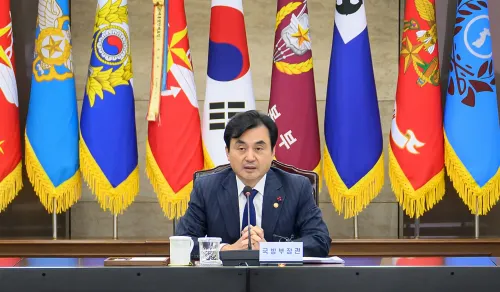
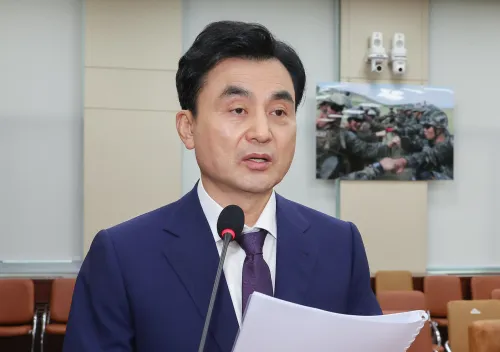
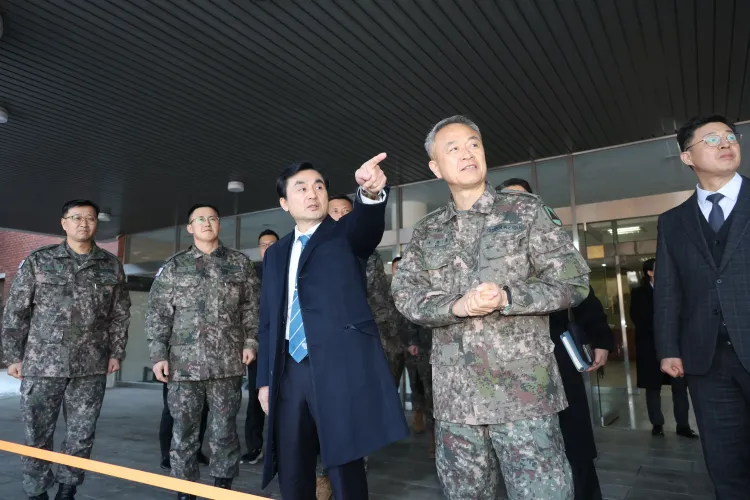
Seoul, Feb 2 (NationPress) On Monday, South Korea's Defence Minister Ahn Gyu-back conducted a visit to the Capital Defence Command responsible for safeguarding the capital region. The purpose was to evaluate military preparedness for air defence, counterterrorism, and other emergency situations, as stated by the defence ministry.
During his inspection at the command located in southern Seoul, Ahn emphasized the importance of adhering to their core mission to rebuild public confidence, according to ministry reports.
He remarked, "It is essential to transcend the impacts of the December 3 insurrection and, with a sense of self-reliance, focus on our primary duty of protecting the capital," as reported by Yonhap News Agency.
The defence minister also assessed the air defence status at the Joint Air Defence Operations Center following the recent relocation of the presidential office.
Ahn visited an anti-terrorism unit under the command, urging it to maintain readiness against potential terror threats.
On January 28, Ahn reasserted his commitment to regain wartime operational control (OPCON) of South Korean forces from the United States, promising to hasten efforts for this transfer within the year.
His statements were made during a gathering of approximately 170 key defence ministry officials, military leaders, and related personnel to assess progress on the OPCON transfer initiative.
South Korea aims to reclaim OPCON, which is currently held by the United States, on a conditional basis during President Lee Jae Myung's five-year term ending in 2030.
Ahn stated, "The year 2026 should signal the beginning of the restoration of wartime operational control." He added, "Through this OPCON transition, our military will develop a more robust readiness posture, supported by six component commands, thus strengthening the historic alliance between South Korea and the United States."
The ministry plans to establish a roadmap for the OPCON transition by April, followed by a verification of Seoul's Full Operational Capability (FOC) by October, ultimately determining the timing for the transfer, as noted by Ahn and his military team.
Seoul intends to finalize the timing of the transfer after the defence ministers of South Korea and the United States endorse the verification of FOC at their upcoming Security Consultative Meeting in October.
FOC represents the second phase of a three-part program to evaluate Seoul's ability to command the allies' combined forces for the return of wartime control. Currently, Seoul is in the second phase of assessment necessary for the transfer.
The defence ministry has announced plans to conduct quarterly assessments of the OPCON transfer progress this year, increasing from the previous annual assessments, aiming to complete the FOC verification process within the current year as scheduled.
Point of View
It's crucial to recognize the strategic importance of Ahn Gyu-back's visit to the Capital Defence Command. This proactive stance towards air defence and counterterrorism is essential for maintaining national security and public trust. As the situation evolves, keeping the public informed about military readiness is vital for national cohesion.
NationPress
24 Sept 2026
Frequently Asked Questions
What is the main focus of South Korea's defence chief's recent visit?
The main focus of Defence Minister Ahn Gyu-back's visit was to inspect military readiness for air defence, counterterrorism, and various contingencies.
What is OPCON, and why is it significant?
OPCON stands for wartime operational control, and it is significant as South Korea aims to regain it from the United States, enhancing its military autonomy and readiness.
When does South Korea plan to complete the FOC verification?
South Korea plans to complete the Full Operational Capability verification by October of this year.