Sri Lanka Implements Fuel and Energy Conservation Guidelines Amid West Asia Tensions
Synopsis
In response to escalating tensions in West Asia, Sri Lanka's Commissioner General of Essential Services has outlined new guidelines for government institutions to ensure prudent fuel and energy usage, which include transportation and electricity conservation measures.
Key Takeaways
Guidelines issued for government institutions on fuel and energy conservation.
Encouragement to use public transport instead of personal vehicles.
Daily transport plans mandated to limit vehicle use.
Energy-saving practices include maximizing natural light and reducing air conditioning.
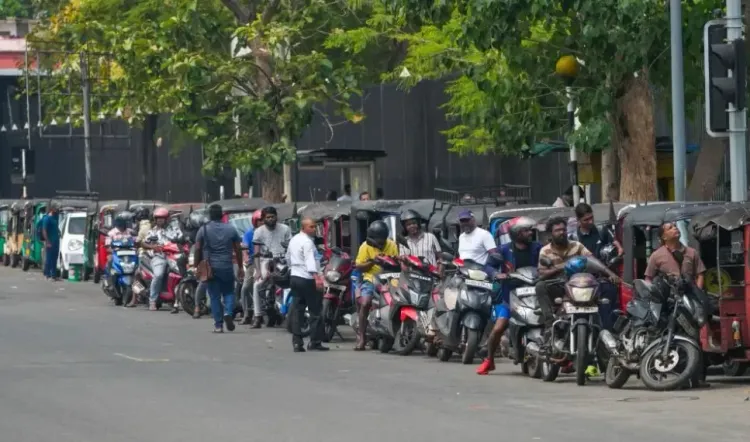
Fuel prices have increased significantly, marking the third hike in a month.
Colombo, March 24 (NationPress) - The Office of the Commissioner General of Essential Services in Sri Lanka has released a comprehensive set of guidelines aimed at government entities to promote the responsible use of fuel and energy in light of potential disruptions in fuel imports resulting from rising tensions in West Asia.
These guidelines, directed towards ministry secretaries, provincial and district secretaries, and heads of government and statutory bodies, emphasize the need to implement strategies that minimize fuel and electricity usage within the public sector, as reported by Xinhua news agency.
Officials are urged to limit the use of personal vehicles for commuting, opting instead for public or shared transportation whenever feasible, according to the office's recommendations.
Government bodies have also been instructed to devise daily transportation plans aimed at decreasing the number of vehicles utilized for field assignments.
The guidelines detail various measures for conserving electricity and energy, such as enhancing the use of natural lighting, reducing air conditioning reliance in favor of electric fans, and encouraging stair usage over elevators.
Local government authorities have been advised to turn off street lights during non-essential hours and temporarily disable lighting in low-security areas as a precautionary measure, as stated by the office.
Furthermore, heads of institutions are encouraged to permit remote work for staff where technological resources are available, thus reducing the need for physical presence.
The office has called upon all public officials to act with responsibility, exemplifying positive behavior for the public, and to provide robust support for national energy conservation and security initiatives.
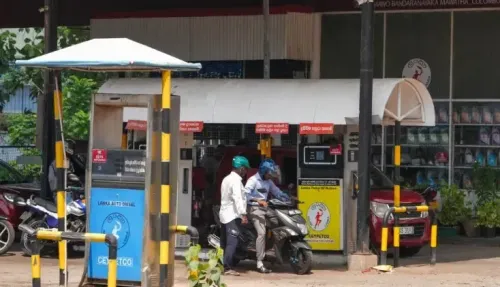
Earlier on Saturday, the state-owned Ceylon Petroleum Corporation of Sri Lanka announced a revision in fuel prices.
All fuel types, including auto diesel, petrol, and kerosene, experienced price increases ranging from 60 rupees (approximately 0.19 US dollars) to 90 rupees per liter, effective from midnight Saturday. Lanka IOC, another significant petroleum company in Sri Lanka, has declared its intent to adjust its prices to align with the new rates established by the corporation.
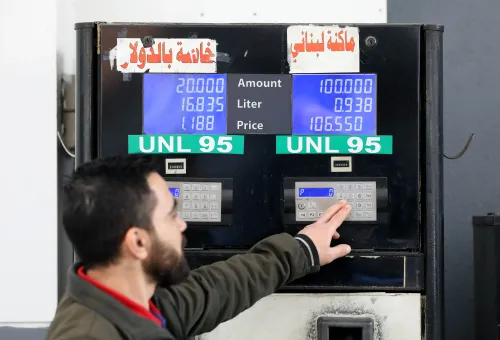
This marks the third increase in fuel prices within Sri Lanka in under a month. Previously, fuel prices were altered on February 28 and March 9. For instance, the price of auto diesel has surged to 382 rupees per liter, a significant rise from the previous price of 281 rupees per liter.
Point of View
It is crucial for Sri Lanka to implement these guidelines as a proactive measure to safeguard energy resources amidst geopolitical uncertainties. The focus on conservation and responsible use reflects an essential commitment to national security and sustainability.
NationPress
24 Sept 2026
Frequently Asked Questions
What are the new guidelines issued by Sri Lanka's Office of the Commissioner General of Essential Services?
The guidelines promote responsible fuel and energy use within government institutions, including measures to reduce vehicle usage, conserve electricity, and encourage remote work.
Why has Sri Lanka implemented these guidelines?
These guidelines have been introduced in response to potential disruptions in fuel imports due to escalating tensions in West Asia.
What changes have been made to fuel prices in Sri Lanka?
Fuel prices have increased for all products, with hikes between 60 and 90 rupees per liter effective from midnight Saturday.
How can government institutions reduce energy consumption?
Institutions are encouraged to utilize natural lighting, minimize air conditioning, and encourage stair use over elevators.
What transportation measures are recommended?
Government officials are advised to use public or shared transport and develop daily transportation plans to reduce vehicle numbers.