Thailand tightens Ebola screening at airports after WHO declares PHEIC
Synopsis
Thailand has activated elevated Ebola screening across its civil aviation network after the WHO declared the DRC-Uganda outbreak a global health emergency — and for the first time, the WHO chief did so without waiting for an Emergency Committee. For a major Southeast Asian air hub, the risk of imported cases through transit passengers is real, and Bangkok's response is a test of whether the global aviation system has learned from past outbreak failures.
Key Takeaways
CAAT activated elevated Ebola surveillance in Thailand's civil aviation system on Thursday, 22 May 2025 .
The WHO declared the DRC and Uganda Ebola outbreaks a Public Health Emergency of International Concern (PHEIC) — but not a pandemic emergency.
WHO Director-General Tedros Adhanom Ghebreyesus issued the PHEIC on Sunday without first convening an Emergency Committee — a first for the organisation.
Airlines on affected routes must screen passengers at origin and share seating and travel data with Thai disease-control officers.
Thai nationals travelling to DRC , Uganda , or high-risk neighbours must register via the Thai Health Pass ; foreign arrivals must complete the Thailand Digital Arrival Card .
Authorities have urged avoidance of all non-essential travel to the affected countries and surrounding regions.
The Civil Aviation Authority of Thailand (CAAT) on Thursday, 22 May 2025, announced elevated surveillance and prevention measures for Ebola virus disease across the country's civil aviation network, following the World Health Organization (WHO)'s declaration of the ongoing outbreaks in the Democratic Republic of the Congo (DRC) and Uganda as a Public Health Emergency of International Concern (PHEIC). The move marks a coordinated escalation by Thai authorities to guard against cross-border transmission via air travel.
What Prompted the Escalation
The Thai public health ministry on Wednesday formally designated both the DRC and Uganda as dangerous communicable disease zones for Ebola, triggering mandatory screening and response protocols within civil aviation. This designation aligned with the WHO Emergency Committee's assessment, confirmed on Tuesday, that the outbreak constitutes a PHEIC — though the committee was clear it does not yet meet the threshold of a pandemic emergency.
Notably, WHO Director-General Tedros Adhanom Ghebreyesus had declared the PHEIC as early as Sunday, making it the first instance of a WHO chief issuing such a declaration without first convening an Emergency Committee. The committee subsequently met and affirmed his assessment.
Key Measures Rolled Out
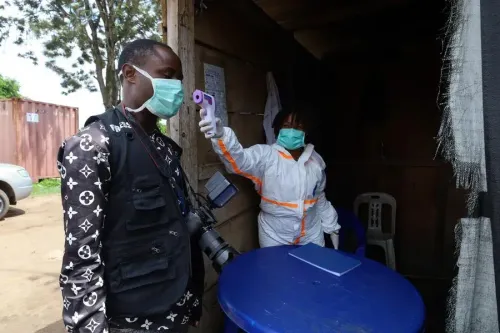
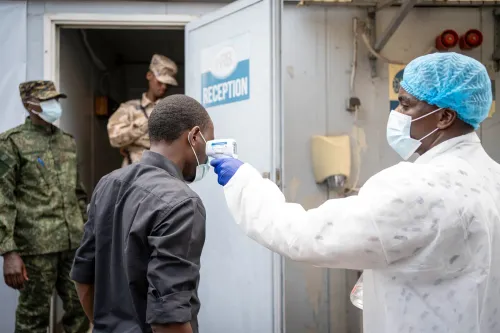
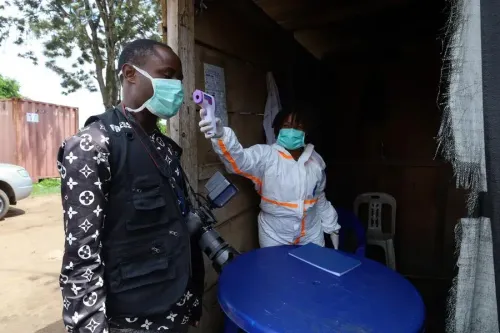
The CAAT has joined planning sessions with the ministry's Division of International Communicable Disease Control and Quarantine, alongside airlines and other sector stakeholders, to harmonise public health protocols. Airlines operating routes connected to the affected regions have been directed to inform passengers of health requirements, screen travellers at the point of origin, and share passenger seating and travel data with disease-control officers to enable rapid contact tracing.
Travellers from Thailand heading to the DRC, Uganda, or neighbouring high-risk areas are required to register through the Thai Health Pass system. Foreign nationals arriving in Thailand must accurately complete the Thailand Digital Arrival Card to support disease monitoring and contact tracing efforts.
Preparedness Drills and Response Planning
The quarantine division has conducted rehearsals of response protocols for suspected Ebola cases identified either on board aircraft or after arrival. Coordination procedures have been established between airlines, airports, health authorities, and supporting agencies to ensure continuity of operations while limiting disruption. Authorities have urged the public to avoid all non-essential travel to the affected countries and surrounding high-risk zones.
Global Context and What Comes Next
The WHO's PHEIC designation signals the highest level of international health alert short of a pandemic declaration, obligating member states to strengthen surveillance and reporting. This is the latest in a series of Ebola outbreaks in central and east Africa that have periodically triggered international concern over cross-border spread. For aviation-dependent nations like Thailand — a major air travel hub in Southeast Asia — the risk of imported cases through transit passengers remains the central concern. Health authorities have indicated that protocols will remain in place and will be reviewed in line with WHO guidance as the outbreak evolves.
Point of View
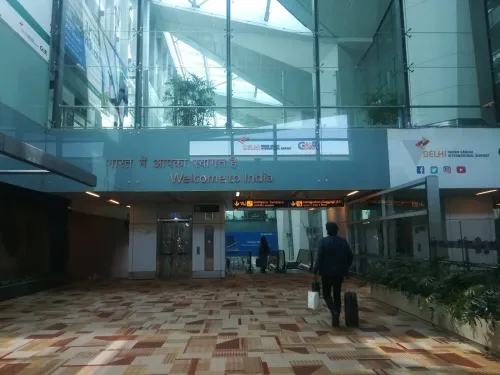
Not Bangkok's arrivals hall. The WHO chief's unprecedented Sunday declaration without an Emergency Committee sitting is also worth scrutiny: it signals urgency, but it bypasses the multilateral deliberation that gives PHEICs their diplomatic weight. If the outbreak is contained quickly, the move looks decisive; if it spreads, the lack of committee consensus could complicate coordinated global response. India and other South Asian hubs with direct or one-stop connectivity to east Africa should be watching Thailand's protocol closely.
NationPress
24 Sept 2026
Frequently Asked Questions
Why has Thailand tightened Ebola screening at its airports?
Thailand raised its aviation Ebola protocols after the WHO declared the outbreaks in the DRC and Uganda a Public Health Emergency of International Concern, citing the risk of cross-border transmission via air travel. The Thai public health ministry also formally designated both countries as dangerous communicable disease zones.
What is a WHO Public Health Emergency of International Concern (PHEIC)?
A PHEIC is the WHO's highest level of international health alert, short of a pandemic declaration. It signals that an outbreak poses a risk beyond the borders of the affected country and requires a coordinated international response. Member states are obligated to strengthen surveillance and reporting under international health regulations.
What must airlines do under Thailand's new Ebola measures?
Airlines operating routes connected to the affected regions must inform passengers of public health requirements, screen travellers at the point of origin, and share passenger seating and travel data with Thai disease-control officers to enable rapid contact tracing.
What are the travel requirements for people going to or coming from affected areas?
Thai nationals travelling to the DRC, Uganda, or neighbouring high-risk areas must register through the Thai Health Pass system. Foreign nationals arriving in Thailand must accurately complete the Thailand Digital Arrival Card to support contact tracing and disease monitoring.
How did the WHO declare this emergency differently from past outbreaks?
WHO Director-General Tedros Adhanom Ghebreyesus declared the PHEIC on Sunday without first convening an Emergency Committee — the first time a WHO chief has done so. The Emergency Committee subsequently met on Tuesday and affirmed his assessment that the situation qualifies as a PHEIC but not a pandemic emergency.