Trump Admin Sanctions Mexican Cartel Over Fentanyl Trafficking
Synopsis
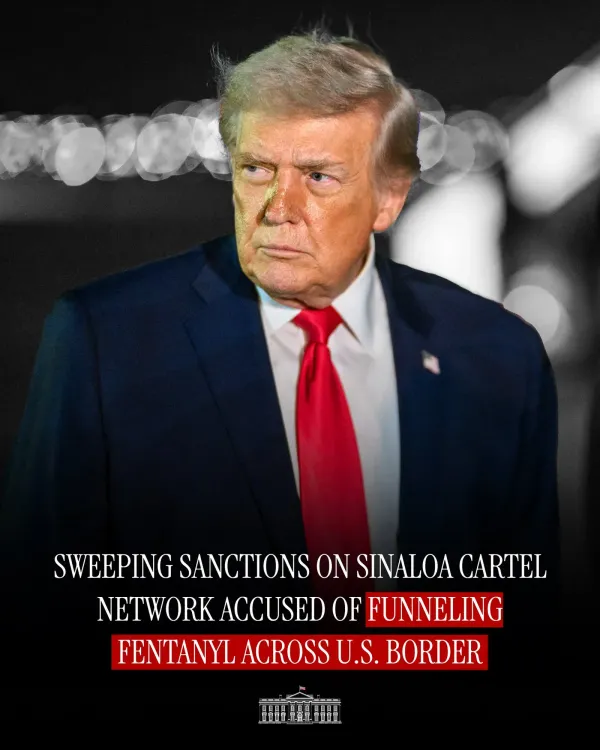
The Trump administration announced sanctions against a Mexican cartel on September 30, 2026, targeting the group's fentanyl smuggling and cross-border money networks. The White House called it an act of presidential courage no predecessor matched, escalating a strategy that dates to Trump's 2019 cartel terrorism designation push.
Key Takeaways
The Trump administration announced sanctions against a Mexican cartel on September 30, 2026 , targeting fentanyl trafficking and cross-border drug financing.
Sanctions of this type are typically issued through the US Treasury's OFAC , freezing assets and cutting entities off from the US financial system.
The move builds on a December 2019 Trump-era push to designate Mexican cartels as Foreign Terrorist Organizations, which never fully materialised but generated layers of Treasury designations.
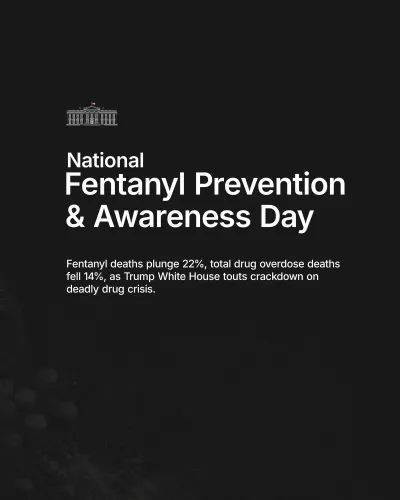
Fentanyl — up to 100 times more potent than morphine — remains the leading driver of US overdose deaths, with Mexican trafficking networks as the primary supply channel.
The effectiveness of financial sanctions against cartels is historically linked to Mexican government cooperation on asset seizures and prosecutions.
A formal OFAC designation listing naming specific entities and individuals is the next concrete action to watch.
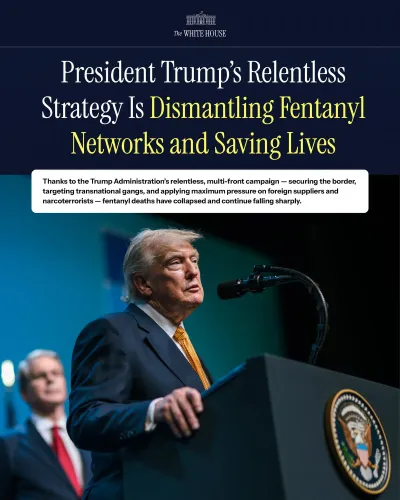
A Mexican drug cartel linked to fentanyl smuggling and cross-border money flows is now in the crosshairs of the Trump administration, which announced fresh sanctions targeting the organisation's financial networks on Wednesday, September 30, 2026. The White House framed the move as a defining act of presidential will — one it argues no predecessor was willing to make.
The Sanctions Announcement and What It Targets
The administration's post declared it is 'sanctioning a Mexican cartel for funneling fentanyl and drug money across the southern border.' Sanctions of this nature typically flow through the US Treasury Department's Office of Foreign Assets Control (OFAC), which can freeze assets, block transactions, and cut designated entities off from the US financial system. The practical effect is to make it legally and financially toxic for any bank, business, or individual to transact with the named organisation.
Fentanyl — a synthetic opioid roughly 50 to 100 times more potent than morphine — has been the central driver of America's overdose crisis for over a decade. Mexican trafficking networks are the primary channel through which the substance, often manufactured with Chinese chemical precursors, enters the United States.
Trump's 2019 Cartel Terrorism Designation — and What Followed
This is not the first time the Trump administration has moved aggressively on cartel designation. In December 2019, during Trump's first term, the administration formally proposed designating Mexican drug cartels as Foreign Terrorist Organizations (FTOs) — a classification that would have opened the door to military and expanded law-enforcement tools beyond standard sanctions. That push drew pushback from Mexico City and never fully materialised as an FTO designation at the time, but the Treasury and State Department continued layering sanctions on individual cartel leaders, financiers, and logistics networks.
The current action, framed as sanctioning the cartel itself, represents a continuation and escalation of that strategy — targeting the money infrastructure that keeps trafficking operations alive.
The Fentanyl Crisis as Political and Policy Fuel
US border and drug policy has been among the most combustible political flashpoints of the past several years. The opioid epidemic has claimed hundreds of thousands of American lives, and fentanyl has replaced heroin as the dominant driver of overdose deaths. Border communities, law enforcement agencies, and public health officials have all pressed successive administrations for sharper action against cartel financing — not just drug seizures at ports of entry.
The White House's framing — that 'no President has had the courage to take on these drug cartels' before Trump — is a direct political claim, one that Democrats and former Obama and Biden administration officials have consistently contested, pointing to their own record of cartel indictments, extraditions, and designations. What is unambiguous is that the scale and rhetoric of the current approach marks a distinct gear-shift.
What a Sanctions Designation Actually Does to a Cartel
Financial sanctions are a precision instrument — effective at squeezing named individuals and specific front companies, but harder to apply against decentralised criminal networks that constantly shift identities and assets. Analysts tracking cartel financing note that the most durable impact comes when sanctions are paired with Mexican government cooperation on seizures and prosecutions — a variable that has historically been fraught given sovereignty sensitivities on both sides of the border.
The next signpost to watch: whether the Treasury Department follows this announcement with a full OFAC designation listing — naming specific cartel entities, subsidiaries, and associated individuals — which would trigger the formal legal machinery that third-country banks and businesses must comply with.
Point of View
OFAC sanctions are the sharpest non-military tool Washington can deploy unilaterally against cartel infrastructure, but their long-term impact has historically plateaued without bilateral enforcement cooperation from Mexico City. The escalation also reflects a broader Trump-era foreign policy pattern: using financial designations as a coercive signal, even when the operational follow-through depends on a third government's willingness. Whether this round of sanctions disrupts actual fentanyl flows or primarily consolidates a domestic 'tough on cartels' narrative will depend almost entirely on what the full Treasury designation listing ultimately targets.
NationPress
30 Sept 2026
Frequently Asked Questions
What are US sanctions against a Mexican cartel and how do they work?
US sanctions against a cartel are typically issued by the Treasury Department's OFAC, which freezes any assets the designated entity holds in US jurisdiction, bars Americans from doing business with it, and exposes foreign banks that transact with it to secondary penalties. The goal is to cut the cartel off from the international financial system.
Why is the Trump administration sanctioning Mexican cartels in 2026?
The White House announced the sanctions are aimed at stopping a Mexican cartel from funneling fentanyl and drug money across the southern US border, framing the action as a continuation of Trump's aggressive cartel strategy first signalled during his 2019 push to designate cartels as terrorist organisations.
What is the fentanyl crisis and why does the US blame Mexican cartels?
Fentanyl is a synthetic opioid 50 to 100 times more potent than morphine that has driven a surge in US overdose deaths. Mexican trafficking organisations are the primary channel for moving fentanyl — often made with Chinese chemical precursors — across the southern US border.
Did previous US presidents sanction or designate Mexican drug cartels?
Yes — prior administrations used Treasury and State Department sanctions to target cartel leaders, financiers, and front companies for decades. The Trump administration's distinctiveness lies in the scale of the rhetoric and the push for broader FTO-style designations, though the political claim of being uniquely 'courageous' is contested.
What happens next after the Trump administration announces cartel sanctions?
The key follow-up is a formal OFAC designation listing that names specific cartel entities, subsidiaries, and associated individuals, which triggers legally binding compliance obligations for banks and businesses worldwide. Analysts also watch for whether Mexico cooperates on asset seizures and prosecutions.