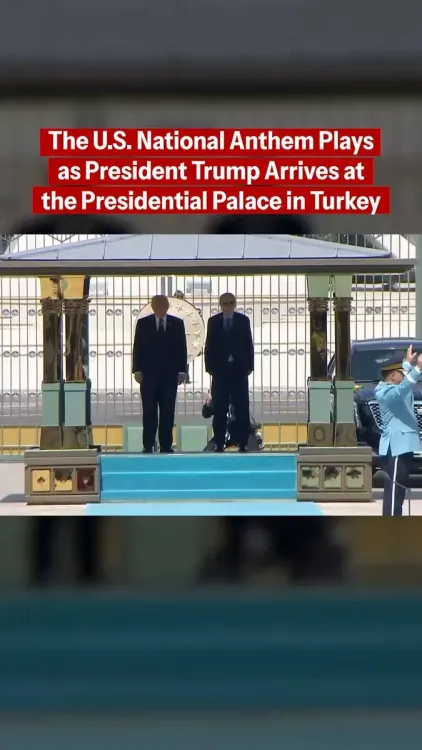
Trump Arrives at Turkey's Presidential Palace Ahead of NATO Summit
Synopsis
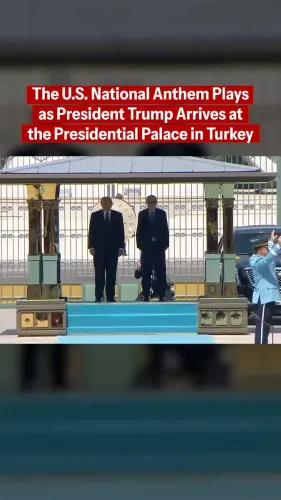
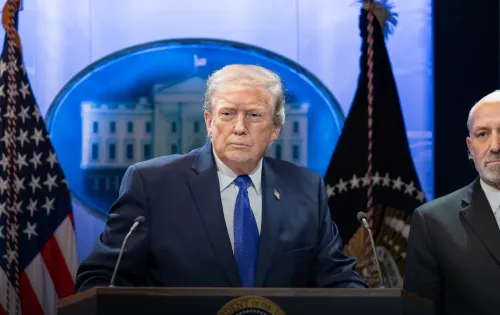
US President Donald J. Trump arrived at Turkey's Presidential Palace on July 7, 2026, with the Star-Spangled Banner playing, ahead of the NATO Summit. The visit places Trump at the centre of a high-stakes alliance gathering involving all 32 NATO member states, with defence spending and bilateral US-Turkey ties under close watch.
Key Takeaways
Trump arrived at the Presidential Palace in Turkey on July 7, 2026 , ahead of the NATO Summit .
The Star-Spangled Banner was played as part of the formal ceremonial welcome at the palace.
Turkey has been a NATO member since 1952 and holds strategic importance as a bridge between Europe , Asia , and the Middle East .
NATO , founded in 1949 , comprises 32 member states bound by collective defence commitments under Article 5 .
Trump has previously used NATO summits to press allies on meeting the 2% of GDP defence spending target.
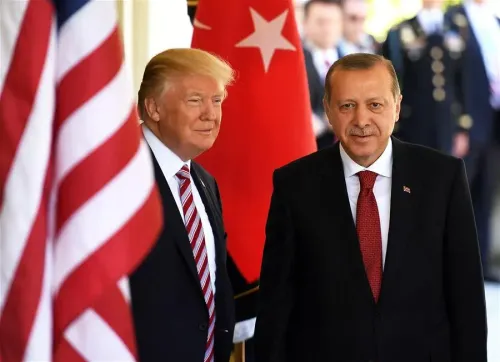
Bilateral discussions between Trump and Turkish President Erdogan and any joint summit communiqué will be closely watched.
US President Donald J. Trump arrived at the Presidential Palace in Turkey on Tuesday, July 7, 2026, with the Star-Spangled Banner playing to mark his formal reception, as he prepares to attend the NATO Summit. The White House shared footage of the arrival, signalling the start of what is expected to be a high-stakes gathering of alliance leaders.
Context
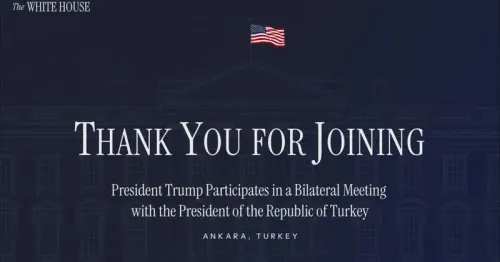
The White House posted on X: 'The Star-Spangled Banner Plays as President Donald J. Trump Arrives at the Presidential Palace in Turkey Ahead of NATO Summit.' The ceremonial welcome, with the US national anthem performed at the palace gates, marks the formal beginning of Trump's engagement with Turkey on the sidelines of the summit. Turkey has been a NATO member since 1952 and its capital Ankara hosts the Presidential Palace, the official seat of the Turkish presidency.
The arrival sets the stage for what could be a dense schedule of bilateral and multilateral meetings. NATO, founded in 1949, currently counts 32 member states committed to collective defence under Article 5 of the Washington Treaty, making summits a critical forum for coordinating responses to shared security threats.
Policy Backdrop
Trump has a well-documented history with NATO summits, having used past gatherings to press allies to meet the alliance's 2% of GDP defence spending benchmark. At the 2018 Brussels summit, he publicly called out member states falling short of the target, a position that reshaped internal alliance conversations on burden-sharing.
His relationship with Turkey has been layered with both cooperation and friction. The 2019 NATO Leaders Meeting in London included bilateral discussions between Trump and Turkish President Erdogan on regional security. Turkey's geographic position — straddling Europe, Asia, and the Middle East — gives it singular strategic weight within the alliance, making US-Turkish engagement at any NATO summit consequential beyond the two countries alone.
Stakeholders and Impact
The summit brings together heads of state from all 32 NATO member nations, with the US diplomatic corps and allied defence ministries watching closely for signals on spending commitments and procurement decisions. For India, which maintains strategic partnerships with both the United States and Turkey, the tone and outcomes of the summit carry implications for regional security architecture, particularly regarding developments in West Asia and Central Asia.
Defence industries, allied governments, and security analysts will be tracking any joint statements that emerge, especially those touching on NATO's eastern flank, burden-sharing targets, and bilateral US-Turkey agreements on procurement or basing arrangements.
What's Next
Attention will focus on whether Trump pursues a bilateral meeting with Turkish President Erdogan and what positions the United States takes on collective defence spending and alliance strategy. Any joint communiqué from the summit will be scrutinised for language on defence commitments, regional threats, and alliance cohesion. The outcomes could shape NATO's posture for the coming year and signal the direction of US foreign policy under Trump's current term.
Point of View
Amplified by the White House's own social media, is a deliberate projection of US leadership within NATO at a moment when alliance cohesion and burden-sharing remain live debates. The choice to highlight the national anthem and the palace setting signals the administration's intent to frame this summit as a high-prestige diplomatic engagement rather than a confrontational one. For Turkey, hosting a US president of Trump's stature reinforces Ankara's indispensable role within NATO despite periodic bilateral tensions. The summit's outcomes on defence spending targets and any US-Turkey bilateral agreements will be a telling indicator of where Trump's second-term foreign policy priorities are being placed.
NationPress
7 Jul 2026
Frequently Asked Questions
Why is Trump visiting Turkey in July 2026?
President Trump is in Turkey to attend the NATO Summit, arriving at the Presidential Palace in Ankara on July 7, 2026, for what is expected to be a series of alliance-wide and bilateral meetings.
Where is the NATO Summit 2026 being held?
The NATO Summit is being held in Turkey, with President Trump received at the Presidential Palace, which serves as the official seat of the Turkish presidency in Ankara.
Is Turkey a NATO member?
Yes, Turkey has been a NATO member since 1952 and is one of the alliance's most strategically significant members due to its location bordering Europe, Asia, and the Middle East.
What has Trump said about NATO defence spending in the past?
At the 2018 NATO Summit in Brussels, Trump publicly urged all member states to meet the alliance's benchmark of spending 2% of their GDP on defence, a position he has consistently maintained.
What should India watch from the NATO Summit 2026?
India, which maintains partnerships with both the United States and Turkey, should watch for outcomes on NATO's eastern flank strategy, US-Turkey bilateral agreements, and any signals on regional security in West and Central Asia.