Trump Departs for Dignified Transfer of 4 Americans Killed in Middle East
Synopsis
President Trump departed on 22 July 2026 to attend the dignified transfer of four American service members killed in the Middle East, describing them as 'great heroes' and calling the ceremony one of the most difficult duties of his presidency.
Key Takeaways
President Trump departed on 22 July 2026 to attend a dignified transfer ceremony for four Americans killed in the Middle East .
Trump described the fallen as 'great heroes' and called the ceremony 'one of the hardest things to do as president.' Dignified transfer ceremonies are a long-standing protocol across US administrations to formally receive the remains of fallen service members on home soil.
The Department of Defense is expected to investigate the circumstances of the deaths and may review force protection measures in the region.
US forces have maintained a sustained presence in the Middle East since 2001 , facing ongoing threats from Iran-backed militias and militant organisations.
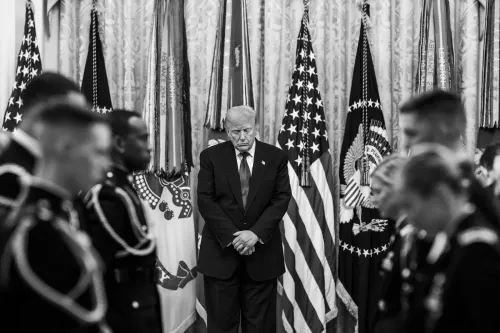
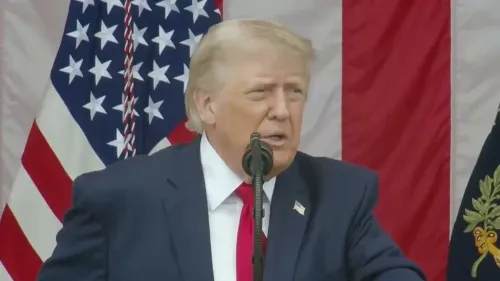
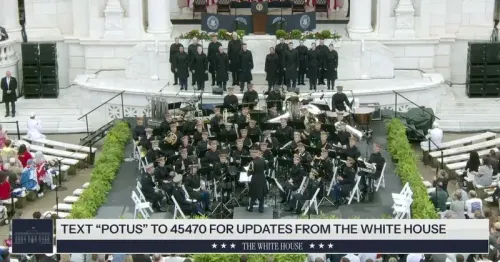
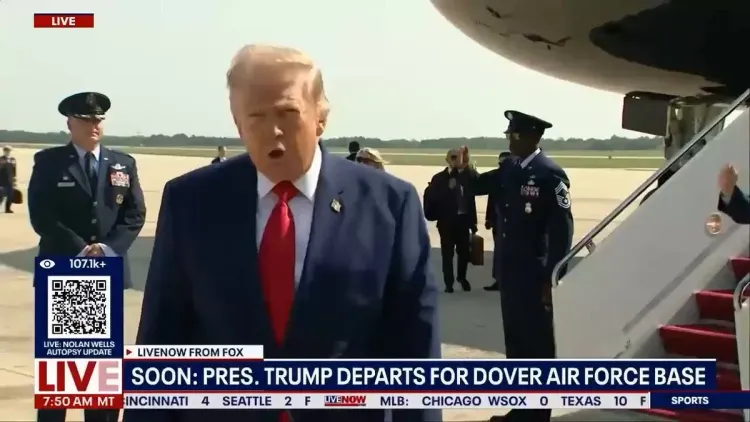
President Donald Trump departed on Wednesday, 22 July 2026, to attend a dignified transfer ceremony honouring four American service members killed in the Middle East, calling the moment 'one of the hardest things to do as president.' The White House shared footage of his remarks as he left for the solemn occasion.
Context
In brief remarks before departure, Trump described the fallen as 'great heroes,' pledging that the nation would honour their sacrifice. 'They are indeed great heroes... We're going to honor them... For me, it's one of the hardest things to do as president,' he said. The dignified transfer — a formal, private ceremony at which the flag-draped transfer cases of fallen service members are received upon their return to American soil — is among the most solemn rituals of the US military.
The four personnel were killed in the Middle East, a region where US forces have maintained a sustained operational presence since 2001, conducting missions against ISIS and other militant organisations across countries including Iraq, Syria, and Jordan.
Policy Backdrop
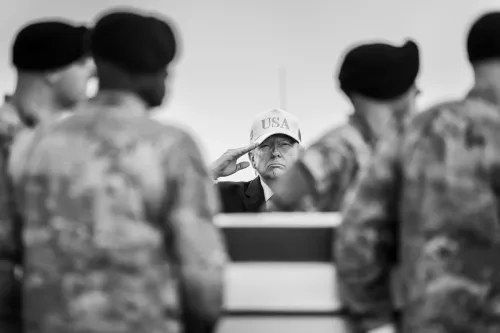
Presidential attendance at dignified transfer ceremonies is a protocol observed across administrations and carries significant symbolic weight. The practice gained renewed public attention in the years following the post-9/11 conflicts, as presidents sought to personally acknowledge the cost of overseas military commitments.
These ceremonies typically take place at Dover Air Force Base in Delaware, the primary port of entry for the remains of fallen US military personnel. Attendance by a sitting president is not mandatory but is considered a mark of personal respect for the fallen and their families.
Stakeholders and Impact
The families of the four Americans killed stand at the centre of this moment, with the ceremony offering a formal, dignified farewell on home soil. For US military families broadly, presidential participation in such transfers signals that the nation's highest office acknowledges the personal cost of service.
The event also draws attention to the persistent dangers faced by American personnel in the Middle East, where Iran-backed militias and other armed groups have repeatedly targeted US forces. The Department of Defense is expected to conduct an investigation into the circumstances of the deaths, with any findings potentially informing adjustments to force protection measures in the region.
What's Next
Attention will turn to any formal statement from the Pentagon regarding the specific incident, including details about the location, the unit involved, and the conditions under which the four service members were killed. Such statements typically follow after families have been notified and the transfer ceremony has concluded.
Broader questions around US force posture in the Middle East — and whether the administration will respond militarily or diplomatically — are likely to dominate national security discussions in the days ahead.
Point of View
Cutting across partisan lines. Trump's personal framing — 'one of the hardest things to do as president' — signals an effort to project solemnity and personal accountability at a moment of national grief. The event arrives amid unresolved questions about US force posture in a region where American personnel continue to face lethal threats from non-state actors and Iran-aligned groups. How the administration characterises the incident and responds operationally will be closely watched as a signal of its broader Middle East strategy.
NationPress
21 Oct 2026
Frequently Asked Questions
What is a dignified transfer ceremony?
A dignified transfer is a formal military ceremony in which the flag-draped transfer cases of fallen US service members are received upon their return to American soil, typically at Dover Air Force Base in Delaware. It is a solemn, private ritual attended by senior officials and the families of the fallen.
Why did Trump attend the dignified transfer on 22 July 2026?
Trump attended to honour four American service members killed in the Middle East, describing them as 'great heroes' and calling it one of the most difficult duties of his presidency.
Where do dignified transfer ceremonies take place in the US?
Dignified transfers typically take place at Dover Air Force Base in Delaware, which serves as the primary point of entry for the remains of US military personnel killed overseas.
How many Americans were killed in the Middle East in this incident?
Four Americans were killed in the Middle East, according to the White House. Further details about the specific incident, location, and unit involved are expected from the Department of Defense.
What happens after a dignified transfer ceremony?
Following the ceremony, the Department of Defense typically releases a formal statement with details about the incident after families have been notified. Investigations into the circumstances of the deaths are conducted, and findings may lead to adjustments in force protection measures.